WHO IS ESTEVAN ORIOL?
Documenting Lived Reality
To understand Los Angeles visual culture, you have to understand who was there.
While writing and painting defined the city’s visual language on walls, another equally important act was taking place: documentation. Not observation from a distance, but lived, trusted, insider documentation. This is where Estevan Oriol occupies a singular and essential position.
Oriol is one of the most important visual chroniclers of Los Angeles over the past three decades. His photographs form a cultural record of the city’s street life, Chicano identity, hip-hop communities, tattoo culture, and neighbourhood realities — not as they were imagined, but as they were lived.
Within the lineage of Los Angeles visual culture, Oriol does not originate language, nor does he abstract it. He anchors it in human reality.
Coming Up from Within the Culture
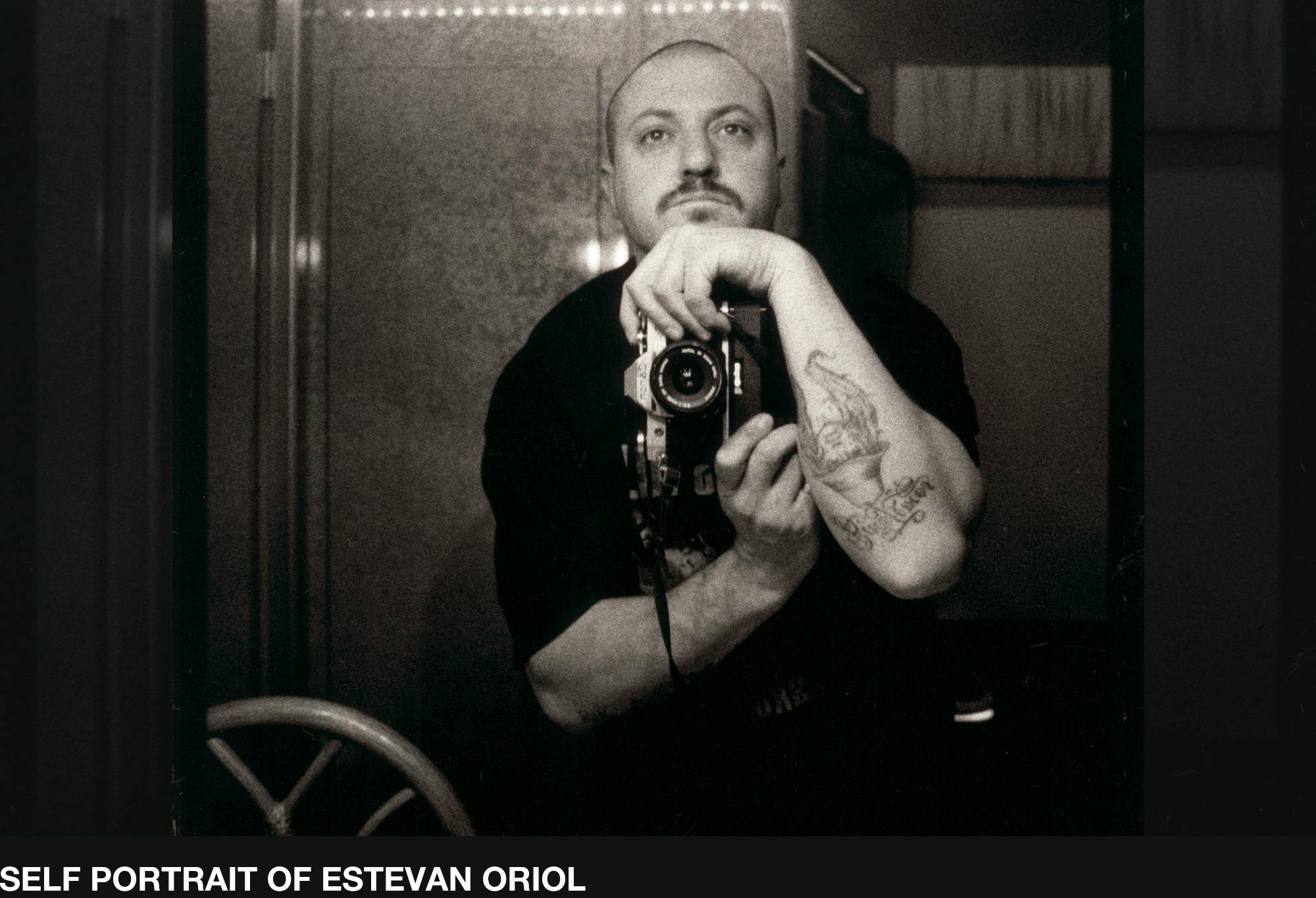
Born in Santa Monica, California, Oriol was introduced to photography through his father, the late photographer Eriberto Oriol. His path into image-making, however, did not follow a traditional art-school route. Instead, it emerged from proximity and access.
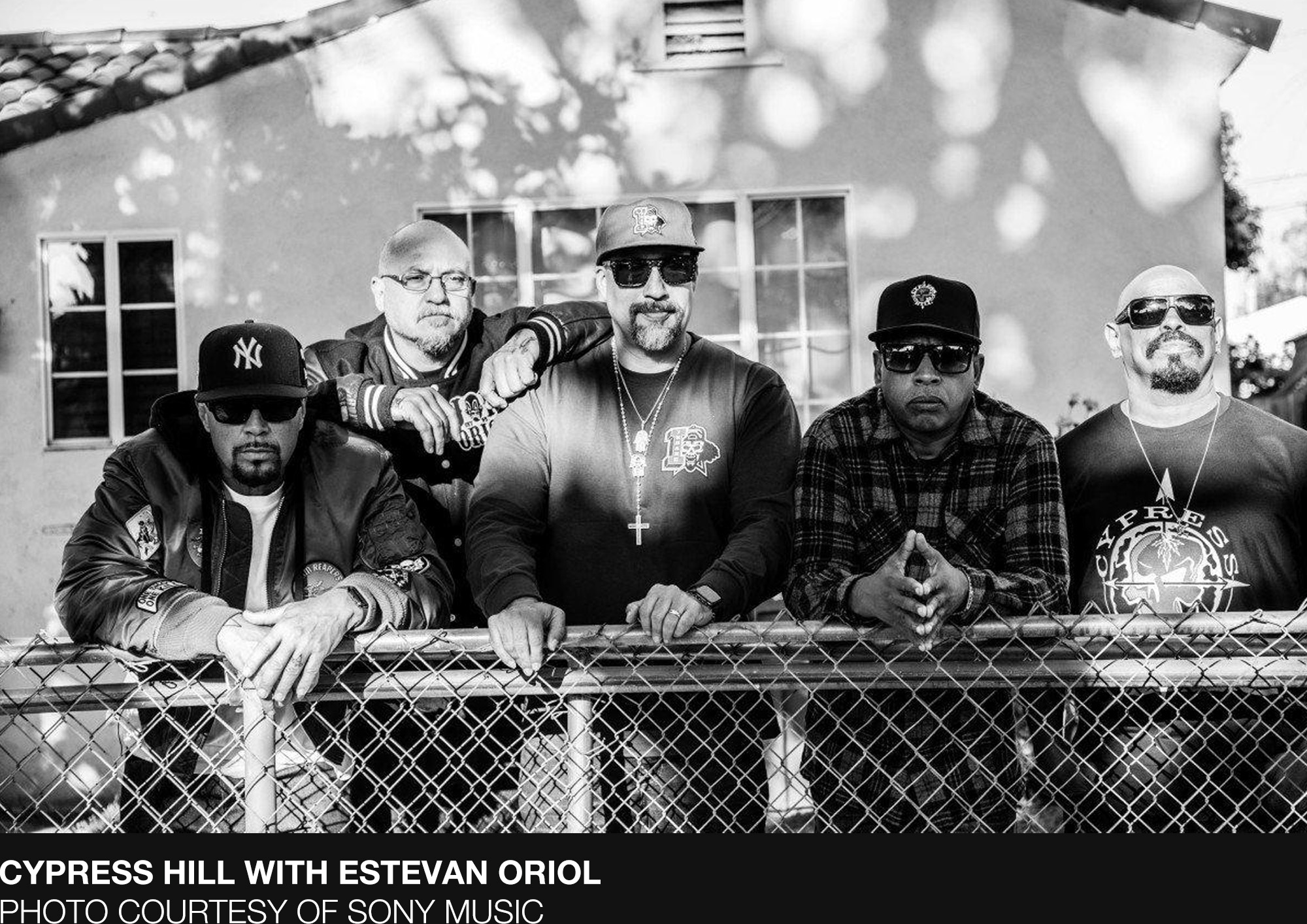
Before photography became his primary focus, Oriol worked as a club bouncer in Los Angeles and later as tour manager for Cypress Hill and House of Pain. While travelling internationally with these artists in the early 1990s, he began documenting life on the road and at home, developing a photographic language rooted in trust, familiarity, and lived experience.
This foundation is central to Oriol’s importance. He photographed people and environments he belonged to, rather than entering them as an outsider. The camera was not a barrier, but a shared tool.
Early Work and the Formation of a Visual Archive
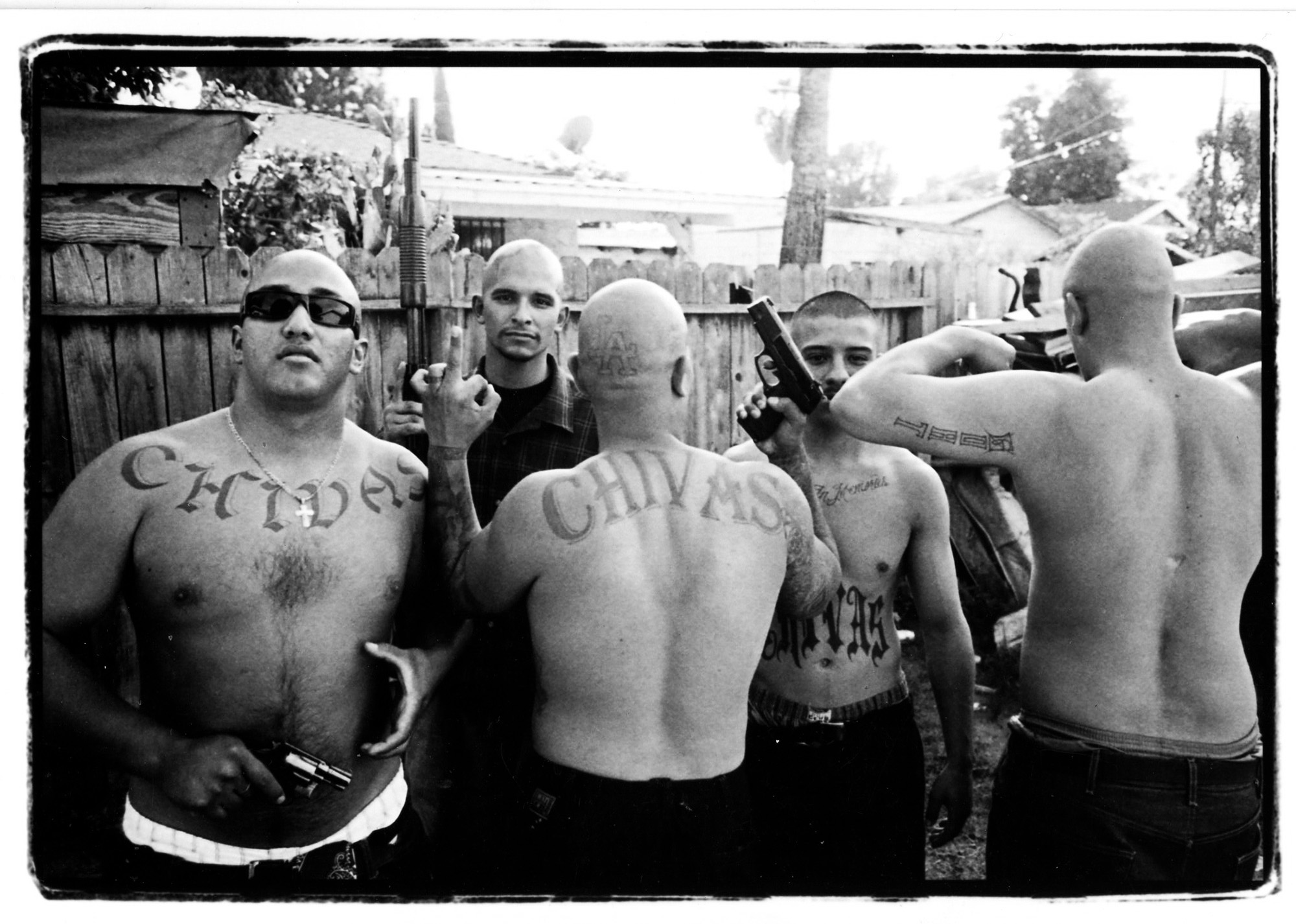
Oriol’s earliest and most defining photographs document Los Angeles street life during the 1990s, a period often misrepresented or sensationalised in mainstream media. His images capture Chicano identity, gang culture, tattoo communities, lowrider scenes, and everyday moments within neighbourhoods rarely afforded dignity or complexity in visual culture.
Rather than staging or aestheticising his subjects, Oriol photographed real moments as they unfolded. The resulting images feel direct, intimate, and unfiltered — not because they chase shock or drama, but because they are grounded in truth.
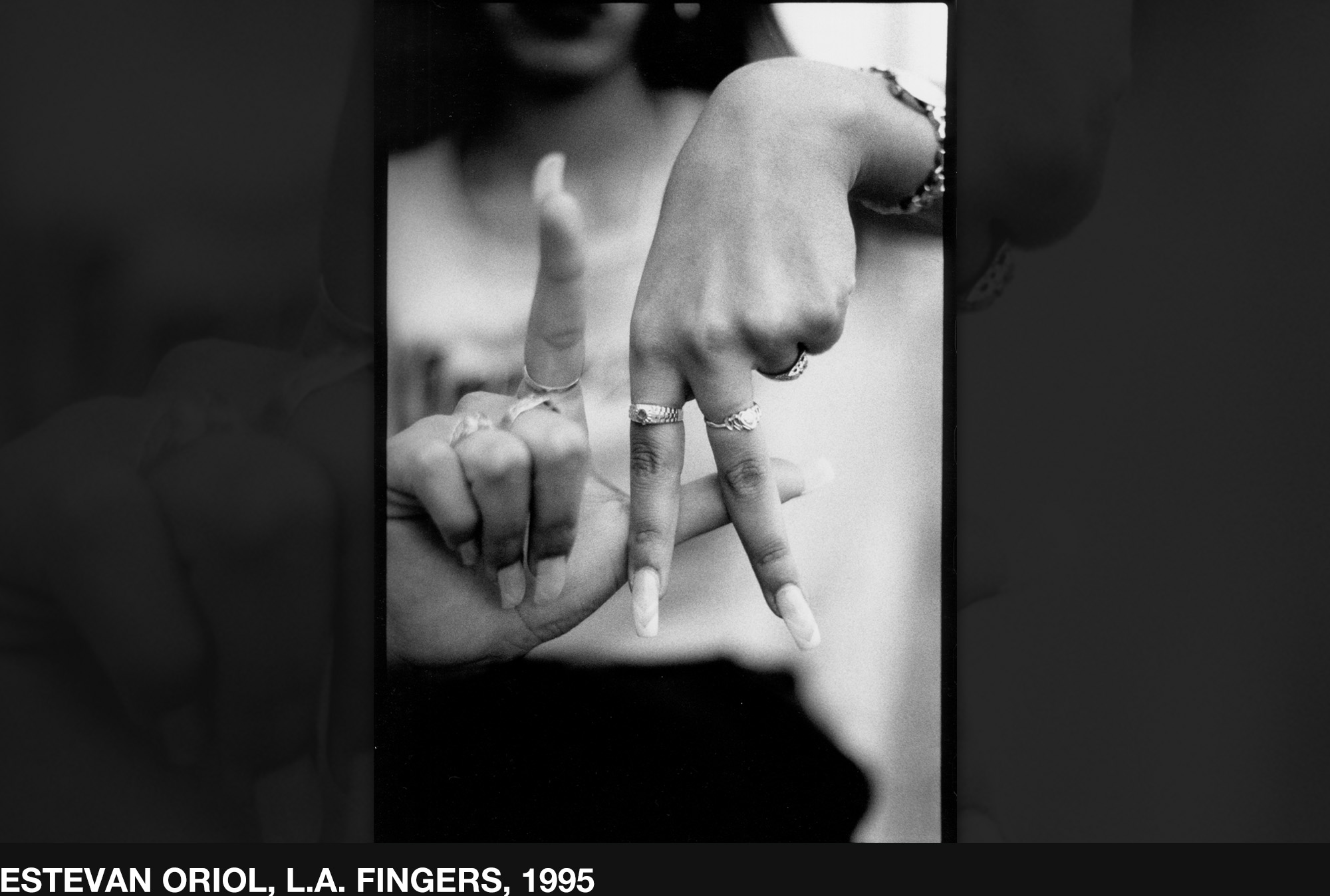
His 1995 photograph L.A. Fingers, initially rejected by publications for being considered “too gang affiliated,” has since become one of the most recognisable and enduring images of Los Angeles. Over time, it has come to symbolise not provocation, but authenticity — a visual shorthand for the city’s attitude, identity, and tension.
These early works laid the foundation for what would become a lifelong visual archive of Los Angeles.
Proximity, Trust, and Authenticity
What distinguishes Oriol’s work is not simply subject matter, but proximity.
His photographs are built on trust. His subjects are collaborators rather than spectacles. This relationship fundamentally shapes how the images read. There is no voyeurism, no distance, and no editorialising. The work does not attempt to explain or judge its subjects; it allows them to exist on their own terms.
This is why Oriol’s photographs feel neither journalistic nor stylised. They function instead as cultural evidence — records of people, environments, and identities captured from within.
In this sense, Oriol’s practice aligns more closely with primary historical documentation than traditional photography genres.
Expansion, Recognition, and Film
As Oriol’s archive grew, his work gained wider recognition through books, exhibitions, and institutional inclusion. His photographs have been exhibited and collected by major institutions, including the Smithsonian, the Museum of Contemporary Art, Los Angeles, and the Mesa Contemporary Arts Center, firmly positioning his work within an art-historical and cultural framework.
His practice expanded naturally into film and directing, culminating in LA Originals (2020), co-directed with tattoo artist Mister Cartoon and released on Netflix. The documentary explored Los Angeles street culture through the lives and work of its subjects, framing Oriol not as an observer, but as a cultural authority.
Rather than commercialising his practice, the film reinforced its authenticity, introducing Oriol’s archive to a global audience while maintaining its integrity.
Watch the Official Trailer to LA Originals below:

Subjects, Portraiture, and Cultural Reach
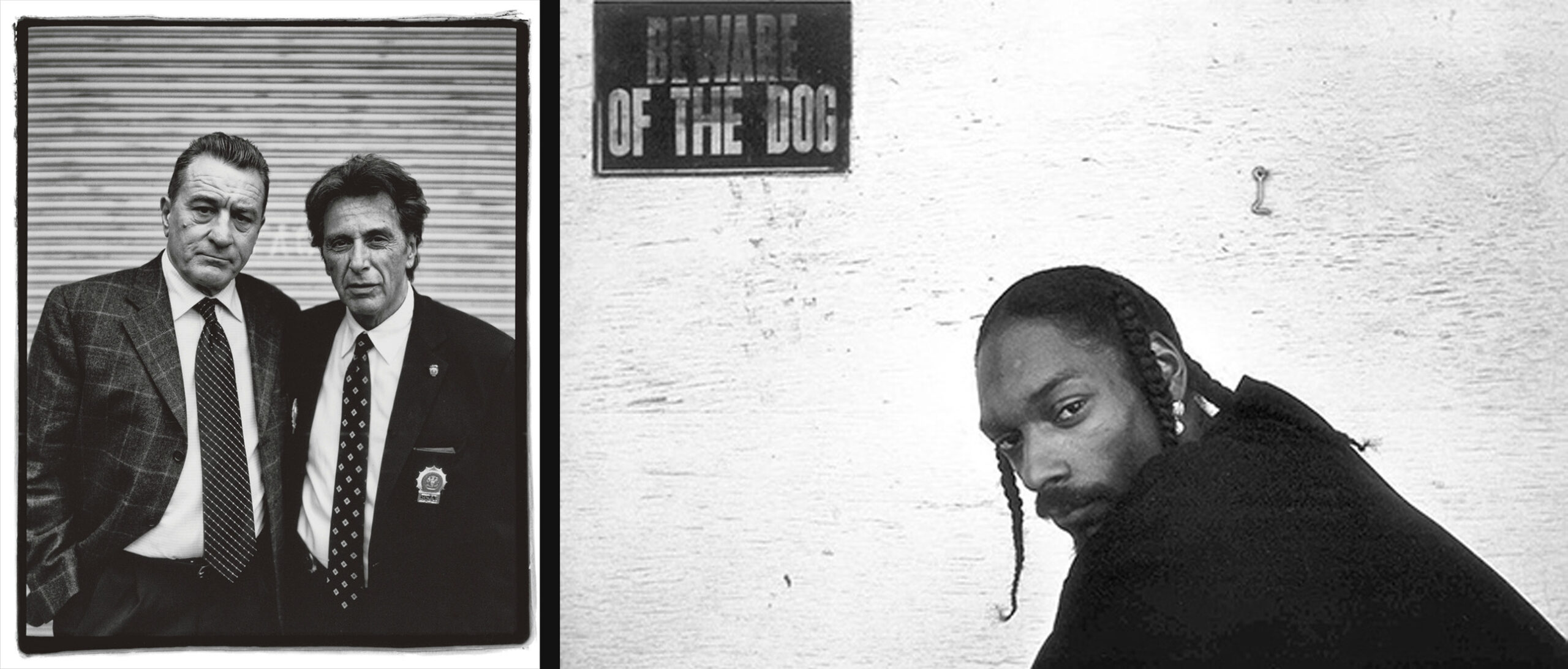
Alongside his documentation of street culture, Oriol has produced portraits of musicians, athletes, artists, and actors whose work intersects with Los Angeles identity. Subjects have included figures such as Al Pacino, Robert De Niro, Dennis Hopper, Snoop Dogg, Kanye West, and Floyd Mayweather.
Yet regardless of the subject’s fame, Oriol’s approach remains consistent. His portraits do not elevate celebrity above community, nor do they separate glamour from grit. Instead, they place all subjects within the same visual and cultural continuum.
This consistency is what gives his archive its coherence and long-term relevance.
Collecting Estevan Oriol
To collect Estevan Oriol is to engage directly with lived history.
His photographs function as primary source material — visual records of communities, identities, and moments that no longer exist in the same way. They are not stylised interpretations of culture, but documents of reality captured with trust and consent.
For collectors, this positions Oriol’s work as both culturally significant and historically grounded. Each image carries weight not because of aesthetic construction alone, but because of what it preserves.
Estevan Oriol at Woodbury House
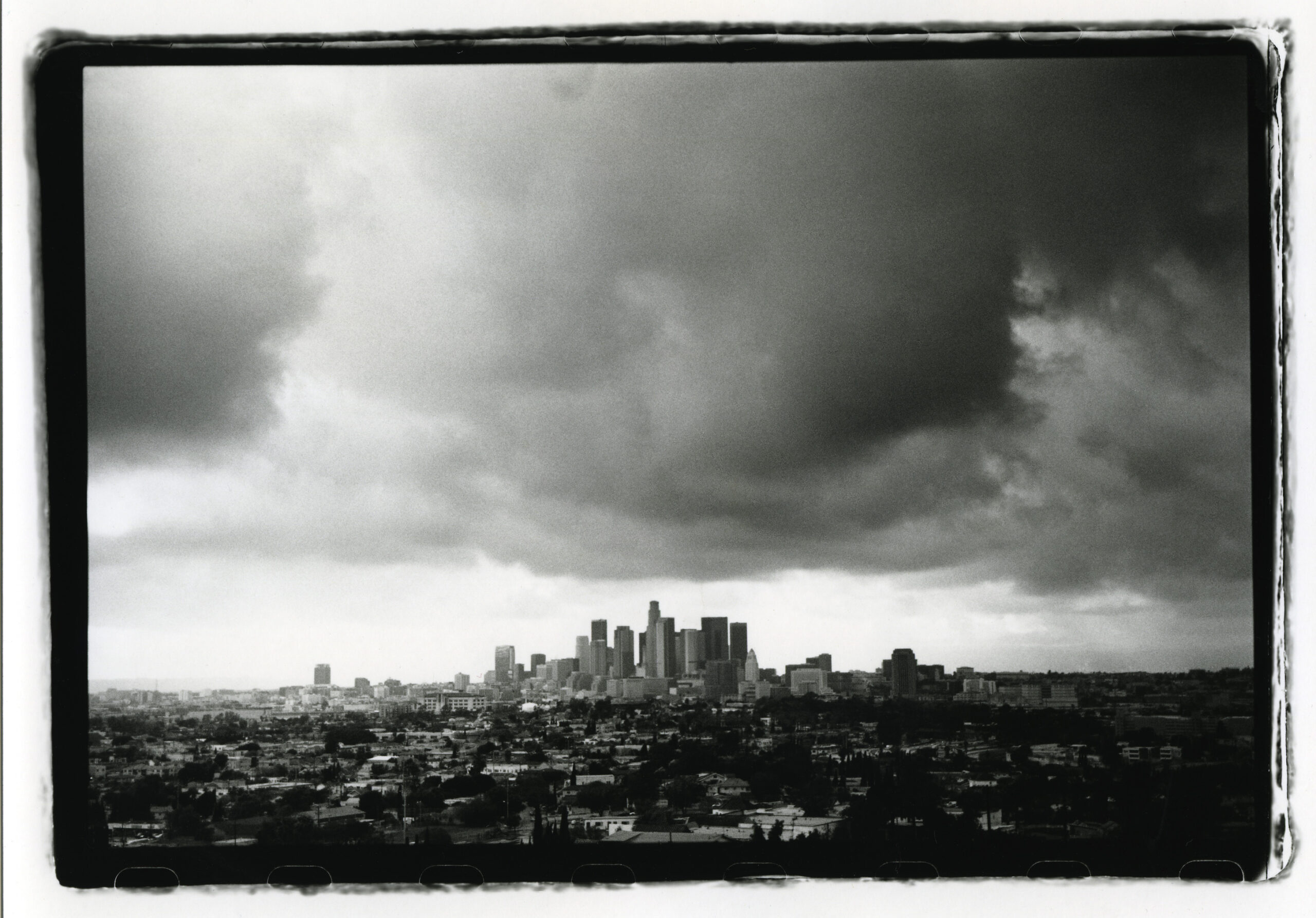
Estevan Oriol continues to live and work in Los Angeles, maintaining a practice rooted in access, trust, and documentation.
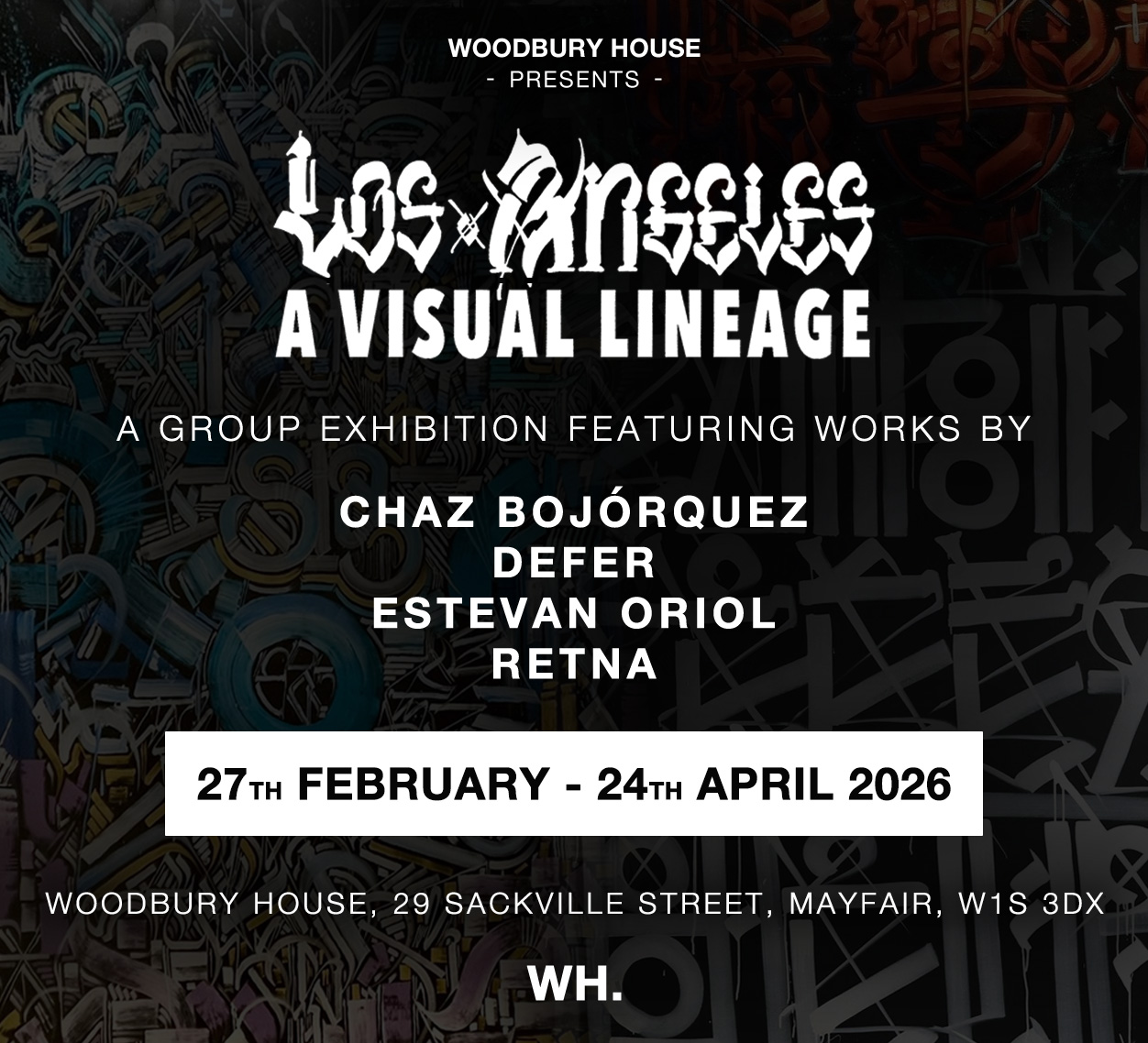
At Woodbury House, we present Estevan Oriol as a pivotal figure within the Los Angeles lineage — the artist who anchors writing and abstraction in lived human reality. His work was included in our group exhibition ‘LOS ANGELES: A VISUAL LINEAGE’, alongside Chaz Bojórquez, DEFER, and RETNA.
Estevan Oriol’s photographs are not about spectacle or stylisation.
They are about presence, dignity, and truth.
When this is understood, the work stands as evidence.
Register your interest for ‘LOS ANGELES: A VISUAL LINEAGE’ via the link below:
https://woodburyhouseart.com/los-angeles-a-visual-lineage-register-interest/