Gary Stranger
(b. 1981)
Exploring language, emotion and form through typographic abstraction
Featured Artworks
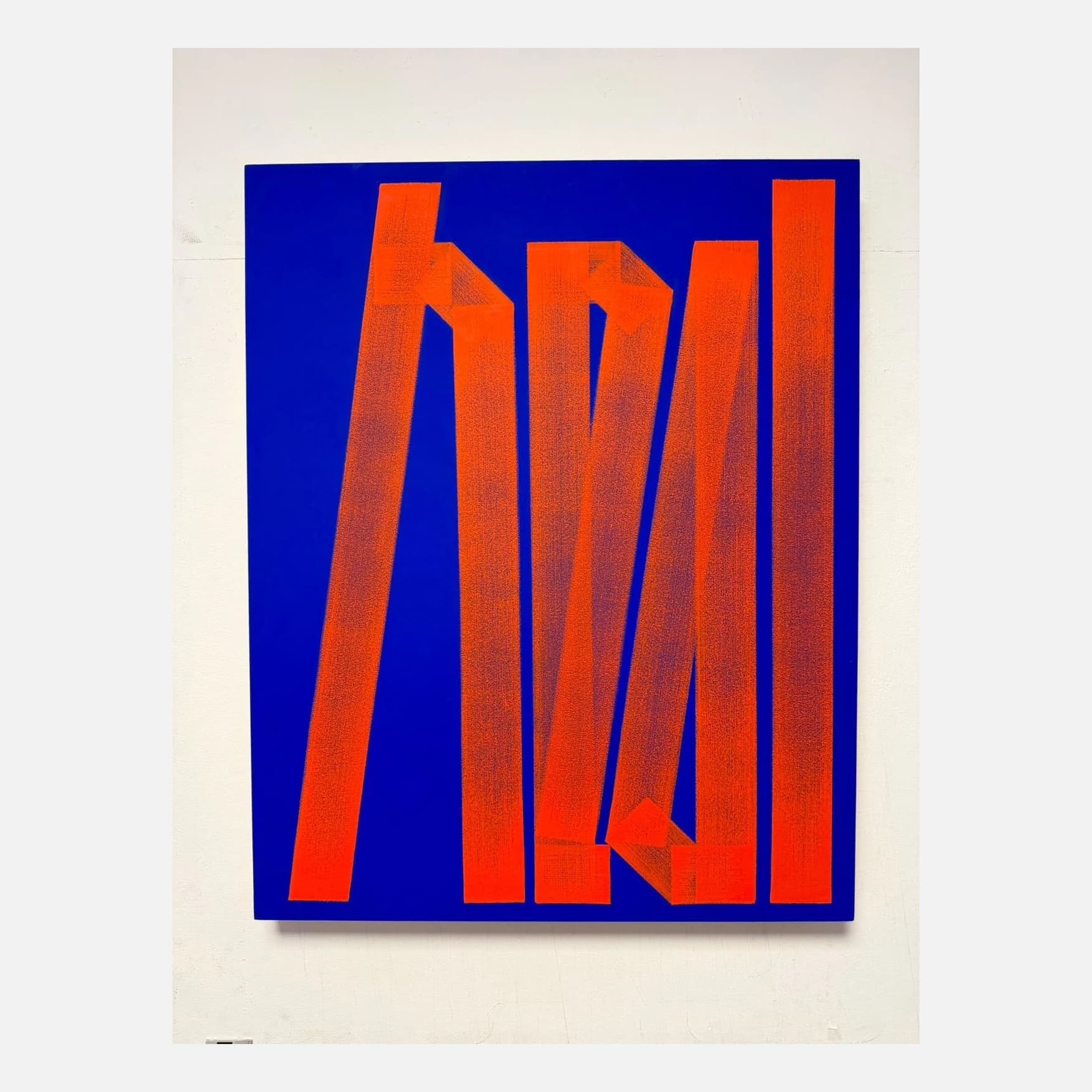
Acrylic on wood panel
30 x 24 in
76.2 x 60.96 cm
(GRS050) Price on application
Gary Stranger
Heal, 2025
Original Artwork
Signed on the reverse
Acrylic on wood panel
30 x 24 in
76.2 x 60.96 cm
(GRS050) Price on application
Acrylic on wood panel
30 x 24 in
76.2 x 60.96 cm
(GRS050) Price on application
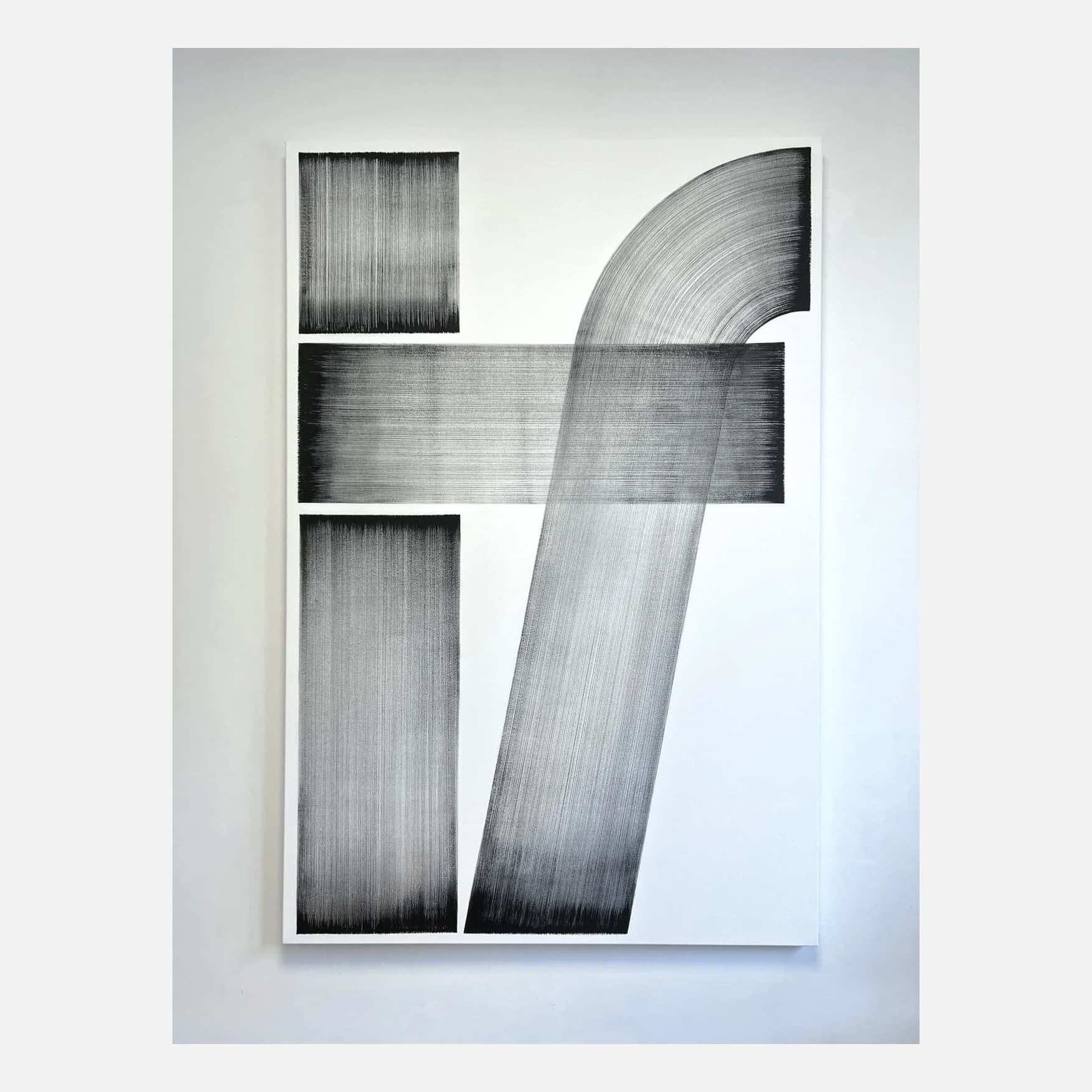
Acrylic on Canvas
59 x 39 3/8 in
150 x 100 cm
(GRS049) Price on application
Gary Stranger
If (only), 2025
Original Artwork
Signed
Acrylic on Canvas
59 x 39 3/8 in
150 x 100 cm
(GRS049) Price on application
Acrylic on Canvas
59 x 39 3/8 in
150 x 100 cm
(GRS049) Price on application
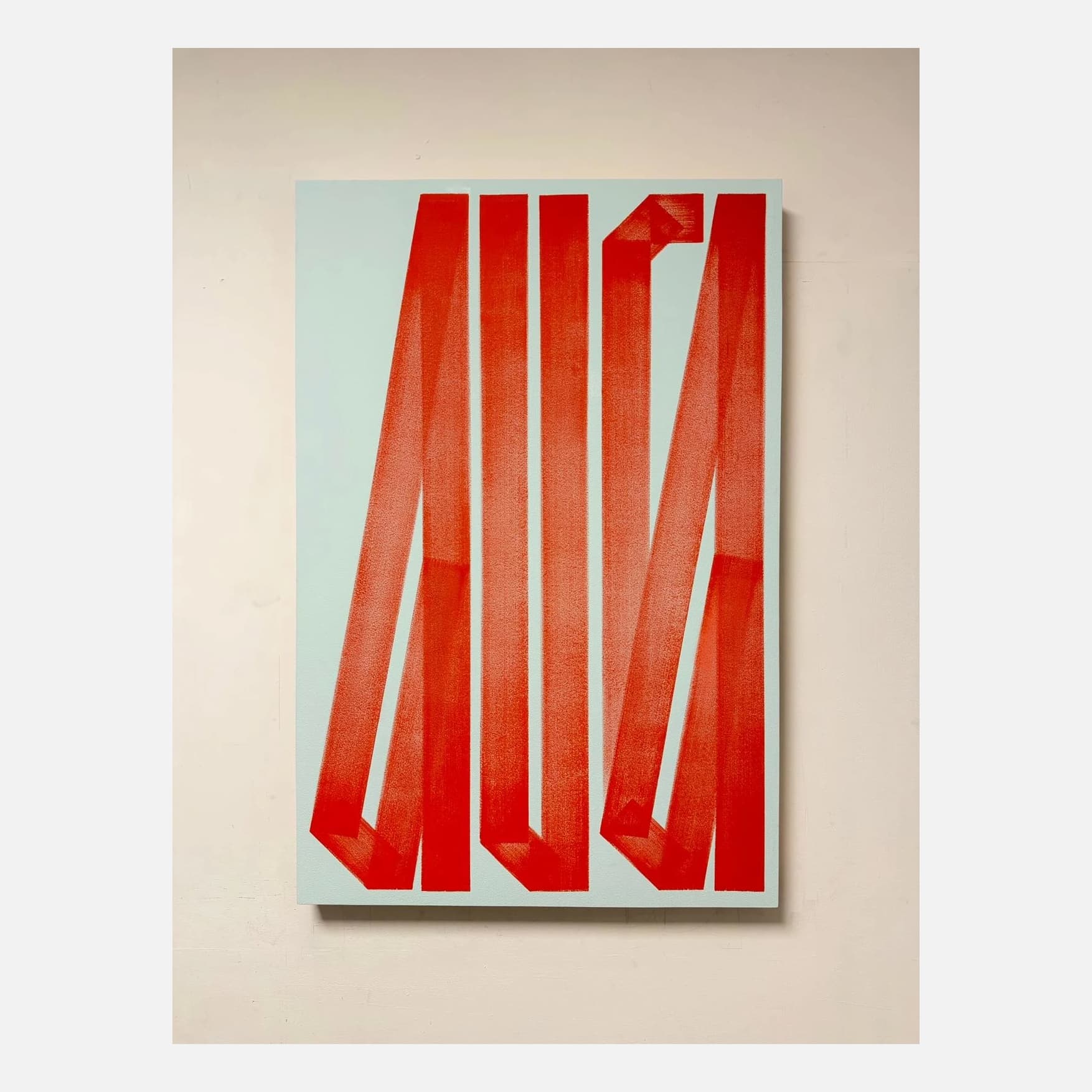
36 x 24 in
91.44 x 60.96 cm
(GRS048) Price on application
Gary Stranger
Aura, 2025
Original Artwork
Acrylic on Wood Panel
36 x 24 in
91.44 x 60.96 cm
(GRS048) Price on application
36 x 24 in
91.44 x 60.96 cm
(GRS048) Price on application
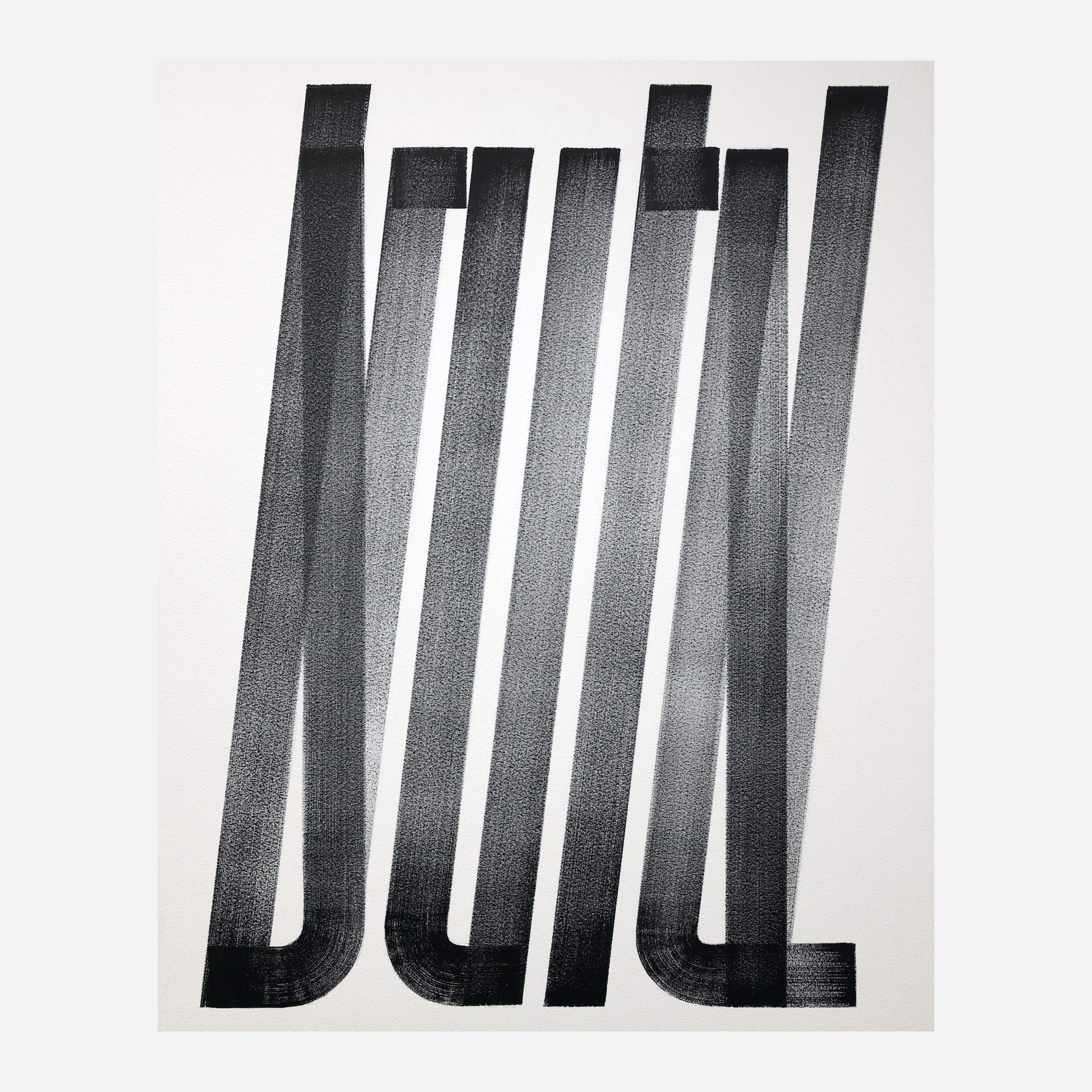
Acrylic on wood panel
30 1/8 x 24 x 2 1/8 in
76.5 x 61 x 5.5 cm
(GRS045) Price on application
Acrylic on wood panel
30 1/8 x 24 x 2 1/8 in
76.5 x 61 x 5.5 cm
(GRS045) Price on application
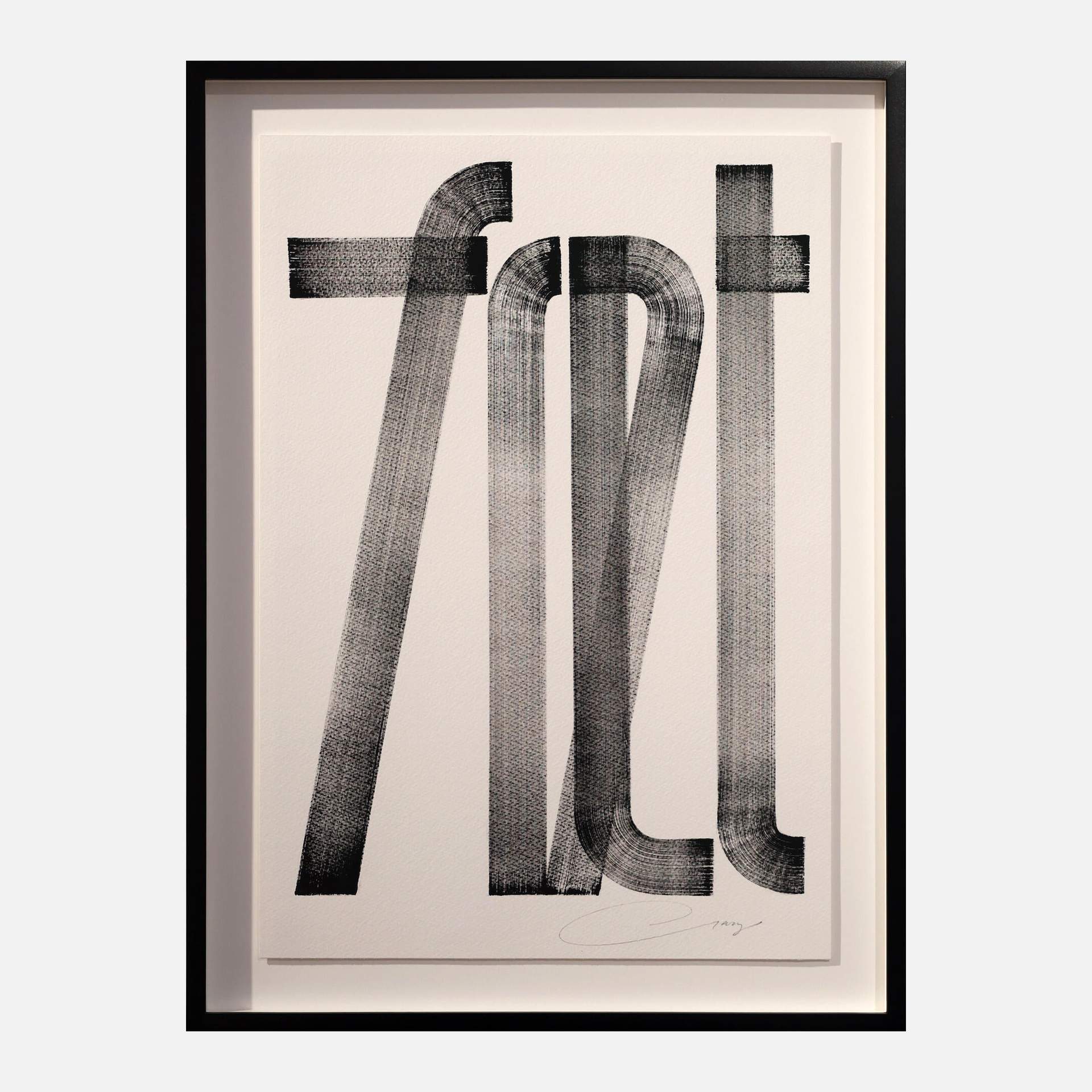
Acrylic on paper
25 7/8 x 18 3/4 in
65.8 x 47.5 cm
(GRS040) Price on application
Acrylic on paper
25 7/8 x 18 3/4 in
65.8 x 47.5 cm
(GRS040) Price on application
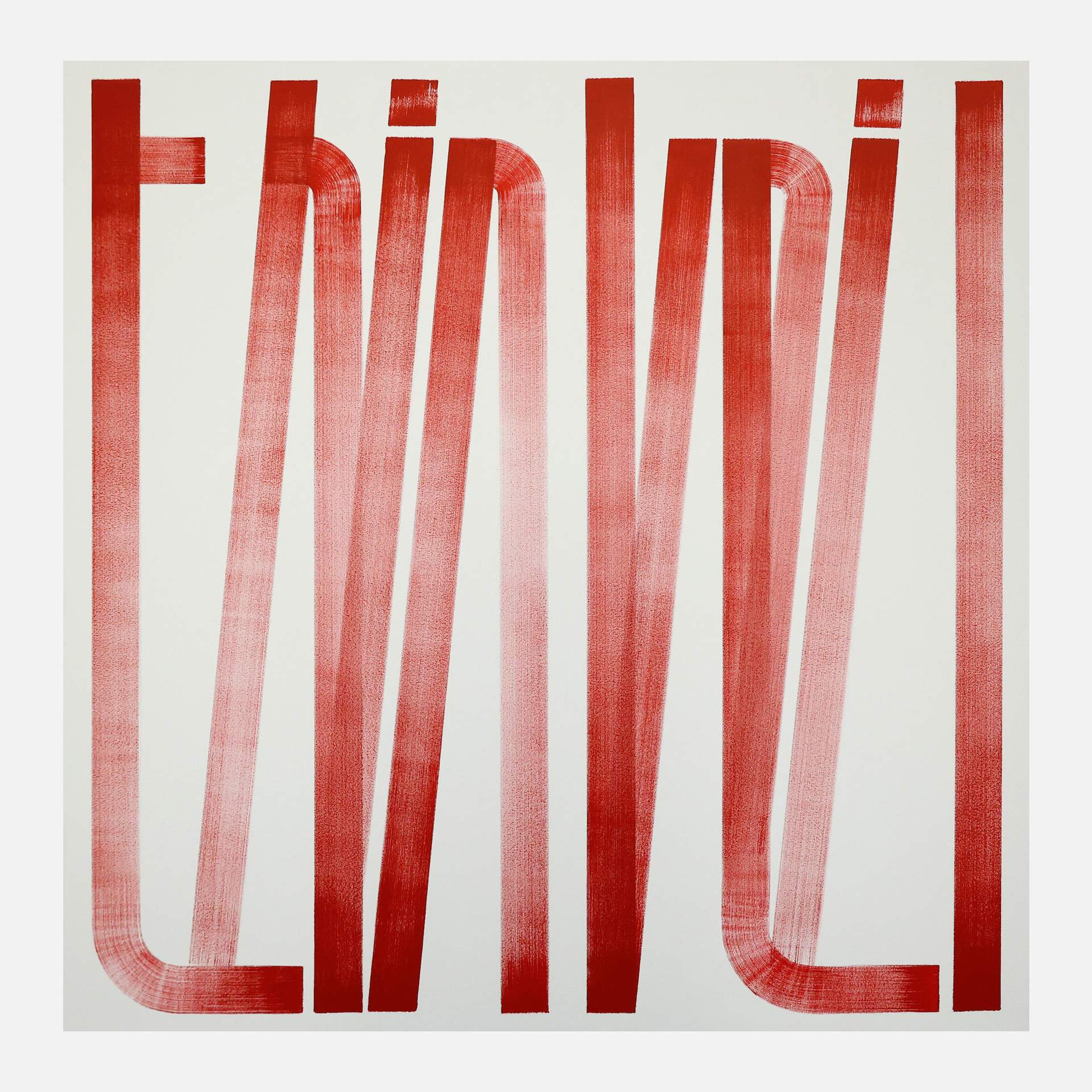
39 3/8 x 39 3/8 in
100 x 100 cm
(GRS036) Price on application
39 3/8 x 39 3/8 in
100 x 100 cm
(GRS036) Price on application
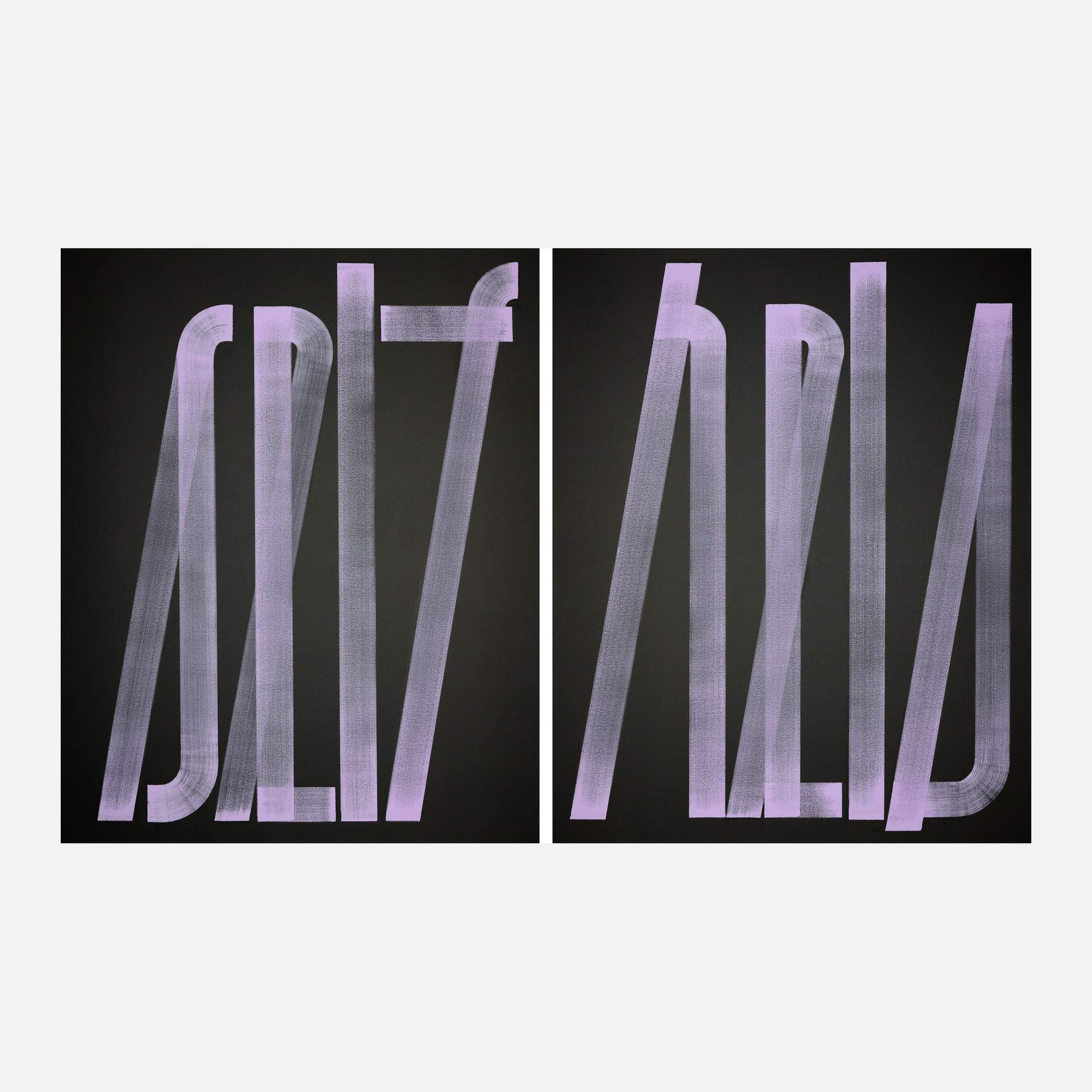
100 X 80 CM X 100 X 80 CM (Diptych)
Total Dimensions: 100 X 160 CM
(GRS028) Price on application
100 X 80 CM X 100 X 80 CM (Diptych)
Total Dimensions: 100 X 160 CM
(GRS028) Price on application
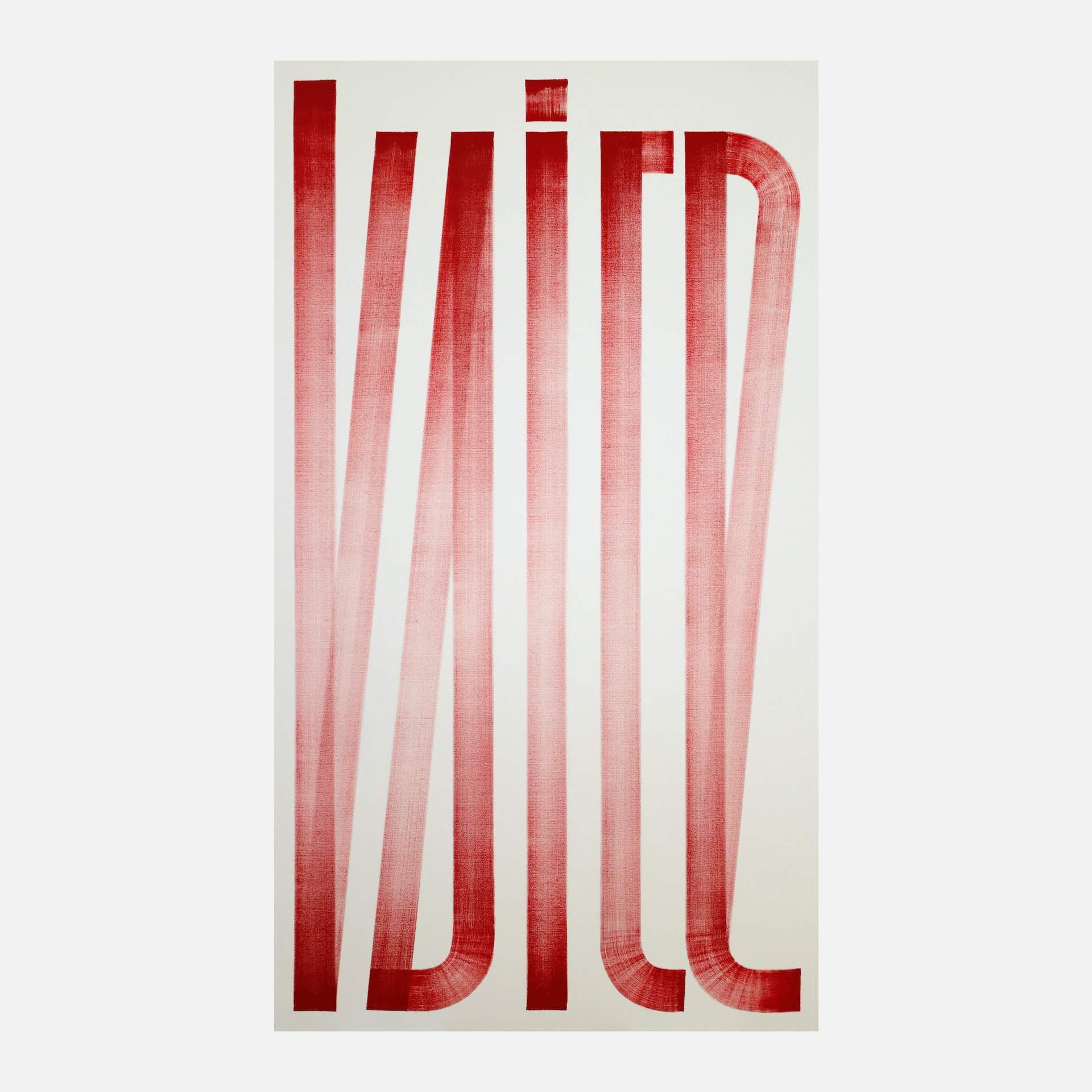
Acrylic on Canvas
72 7/8 x 41 in
185 x 104 cm
(GRS025) Price on application
Acrylic on Canvas
72 7/8 x 41 in
185 x 104 cm
(GRS025) Price on application
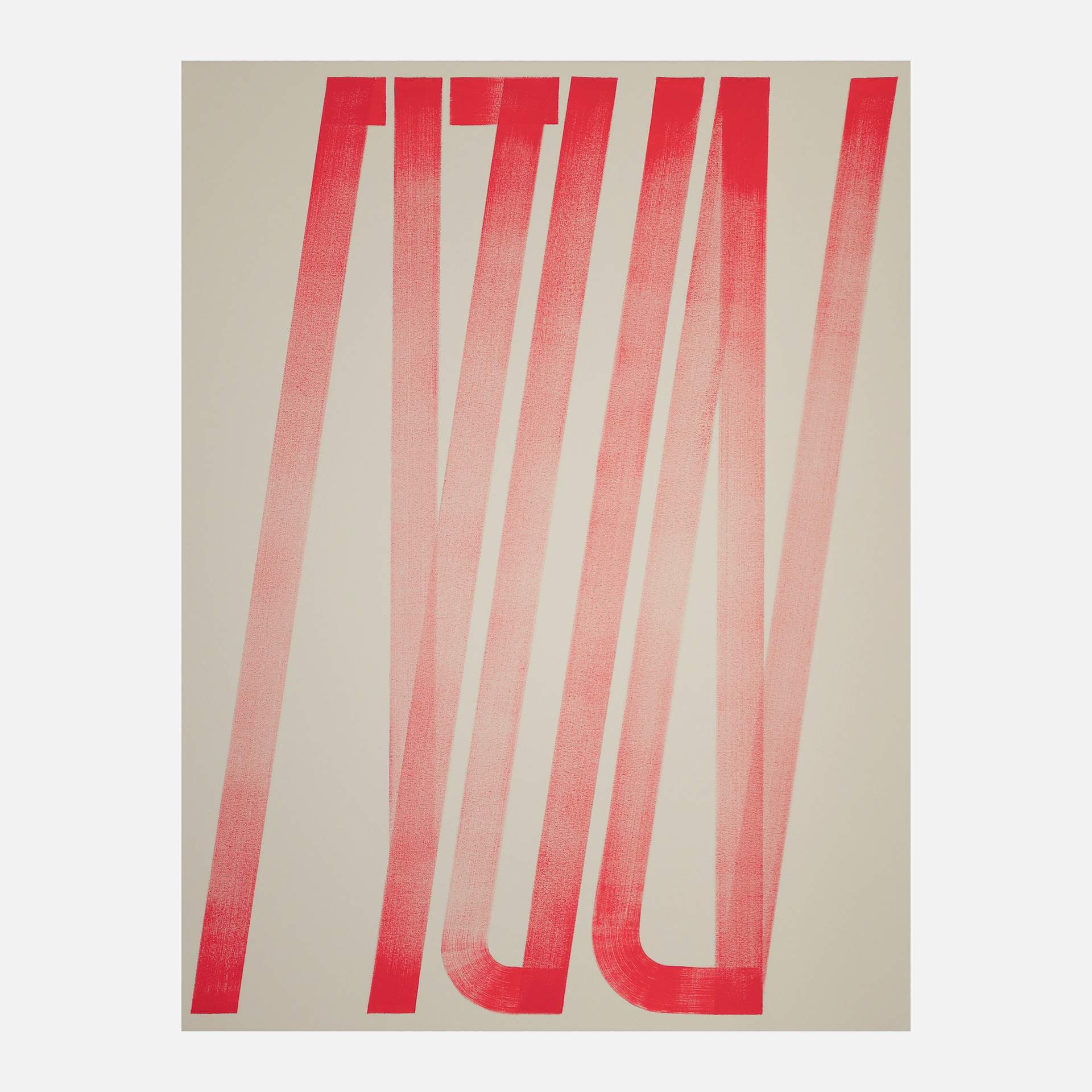
Acrylic on Canvas
39 3/8 x 29 1/2 in
100 x 75 cm
(GRS024) Price on application
Acrylic on Canvas
39 3/8 x 29 1/2 in
100 x 75 cm
(GRS024) Price on application
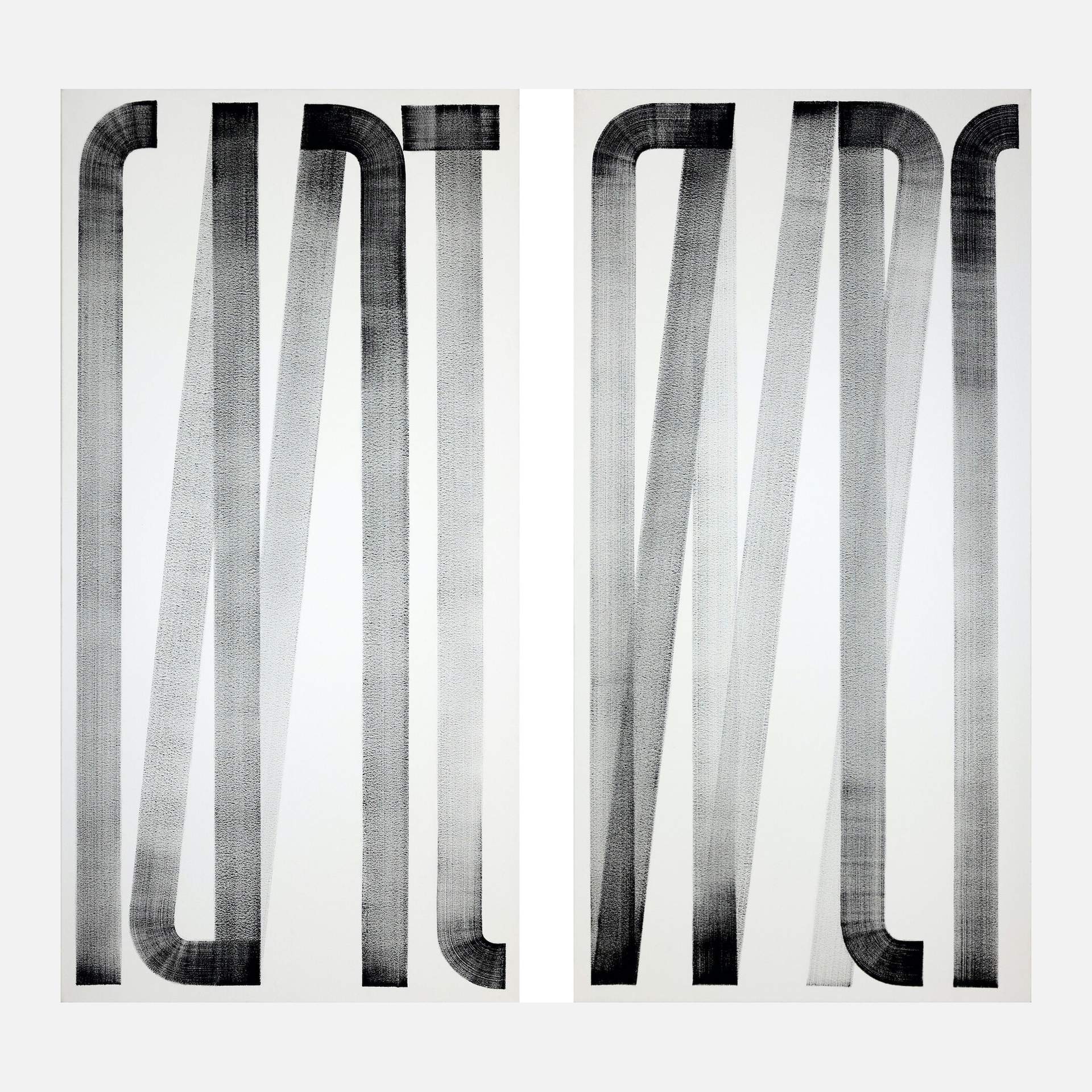
Acrylic on Canvas
100 X 50 CM X 100 X 50 CM (Diptych)
Total Dimensions: 100 X 100 CM
(GRS023) Price on application
Acrylic on Canvas
100 X 50 CM X 100 X 50 CM (Diptych)
Total Dimensions: 100 X 100 CM
(GRS023) Price on application
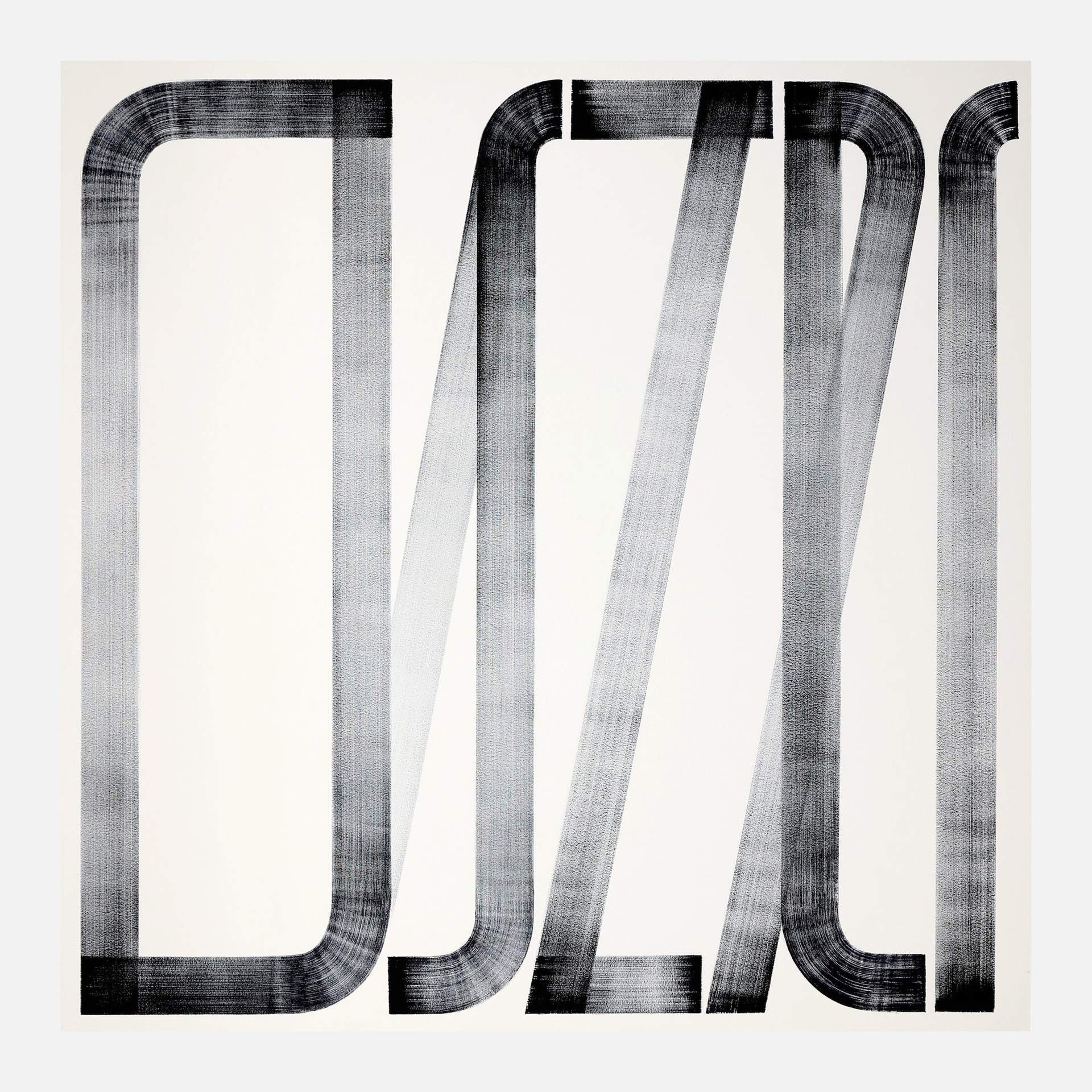
Acrylic on Wood
39 3/8 x 39 3/8 in
100 x 100 cm
(GRS021) Price on application
Acrylic on Wood
39 3/8 x 39 3/8 in
100 x 100 cm
(GRS021) Price on application
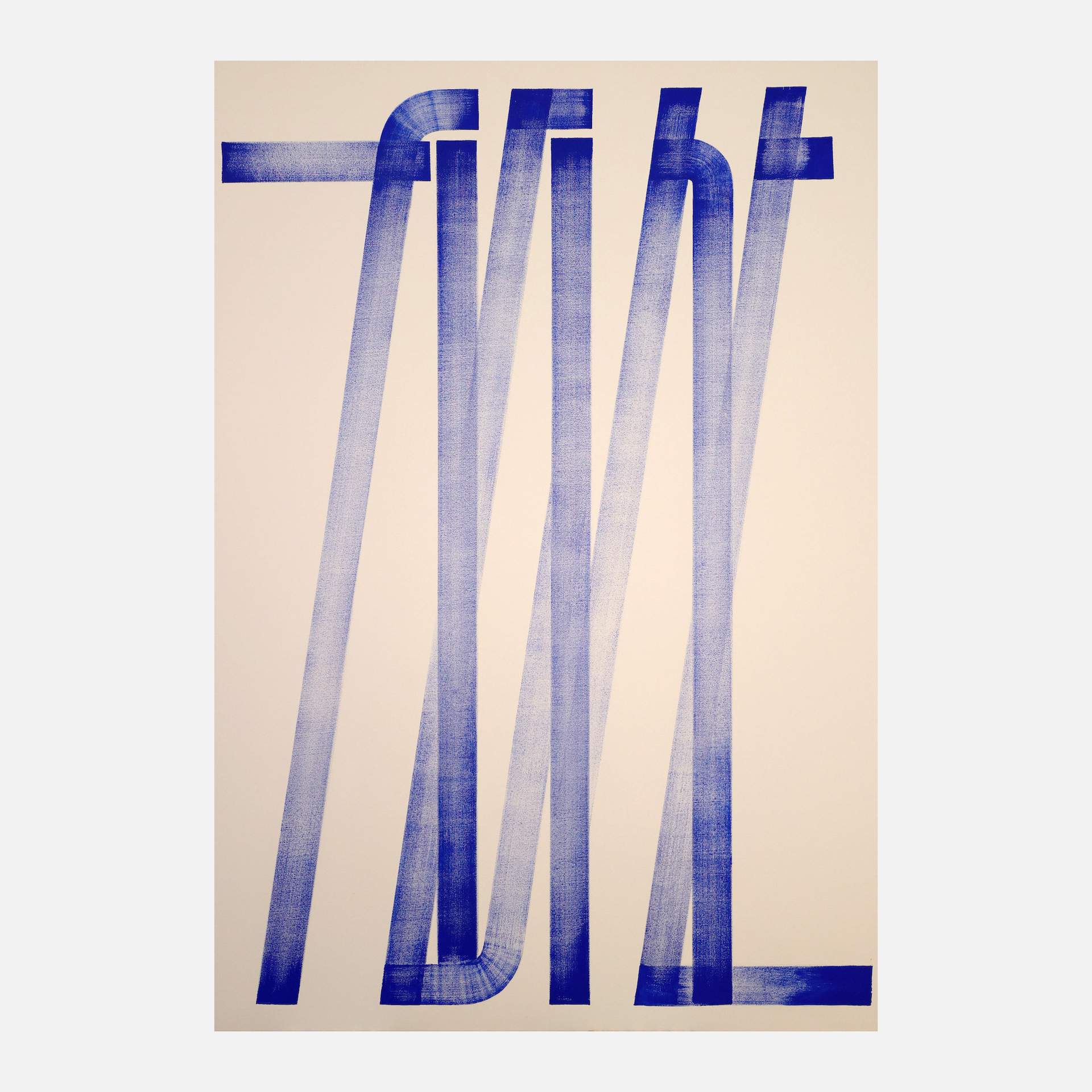
74 3/4 x 51 3/8 in
190 x 130.5 cm
(GRS015) Price on application
74 3/4 x 51 3/8 in
190 x 130.5 cm
(GRS015) Price on application
Contact our Art Advisors

Gary Stranger Artist Profile Download
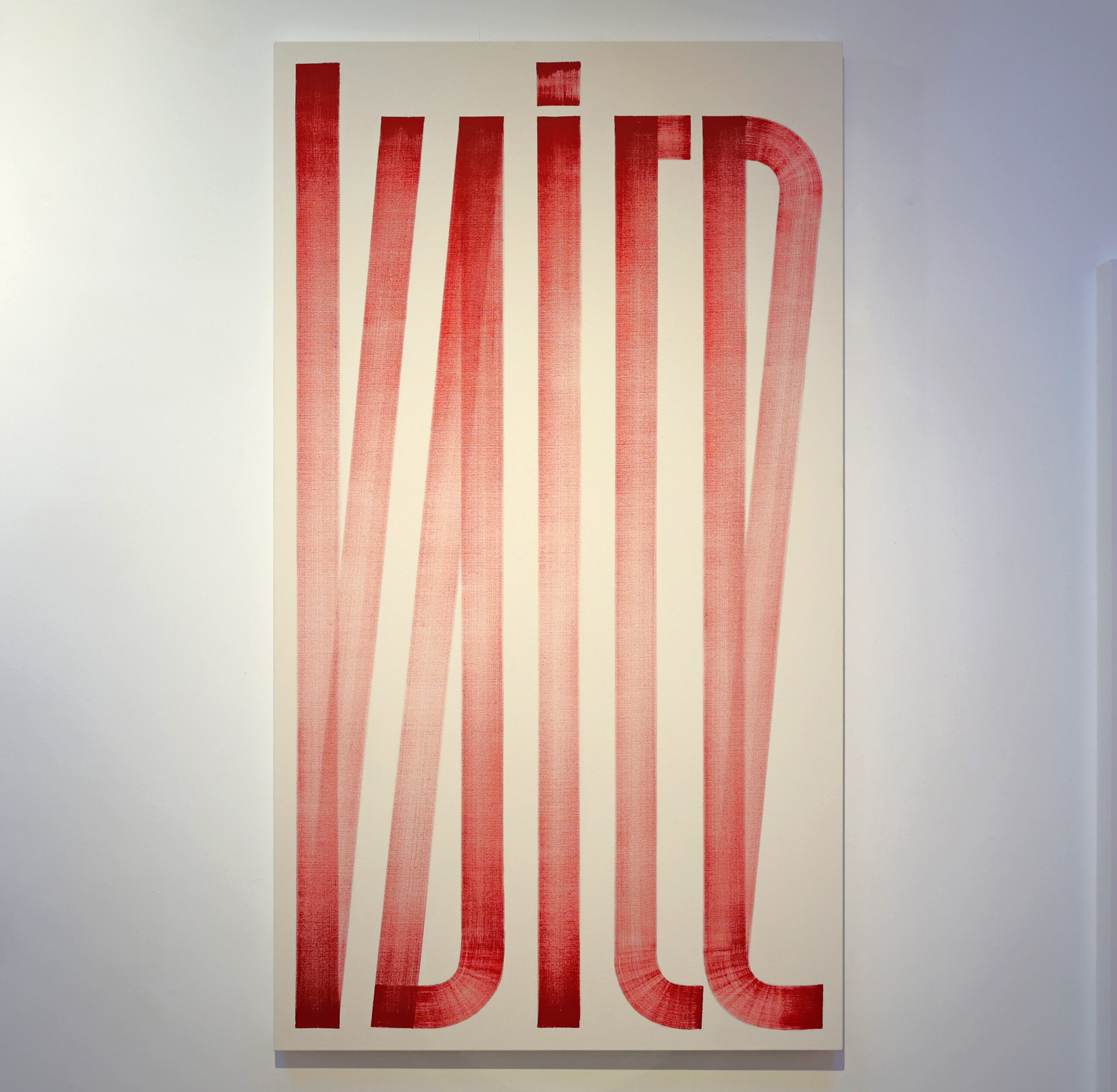
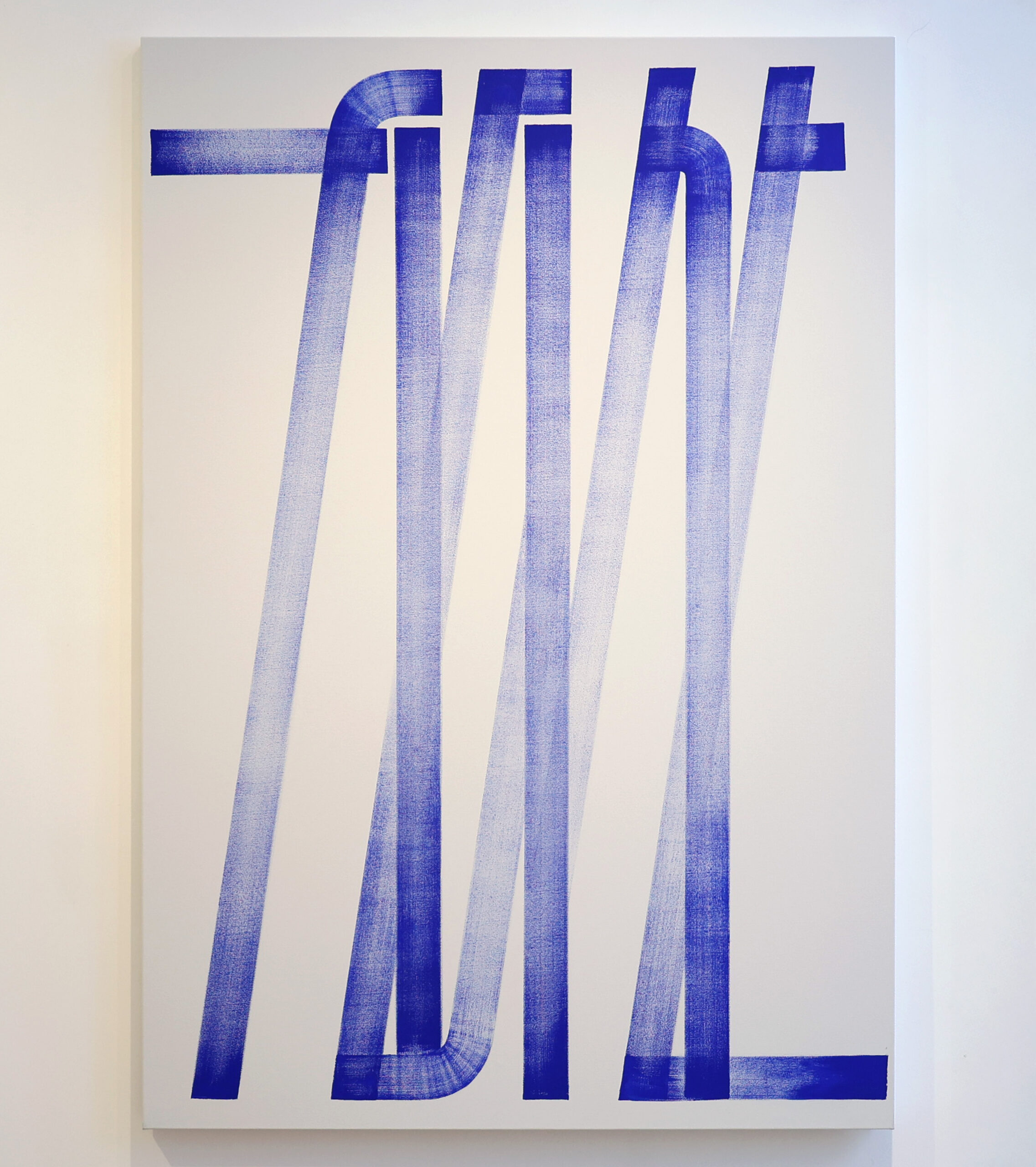
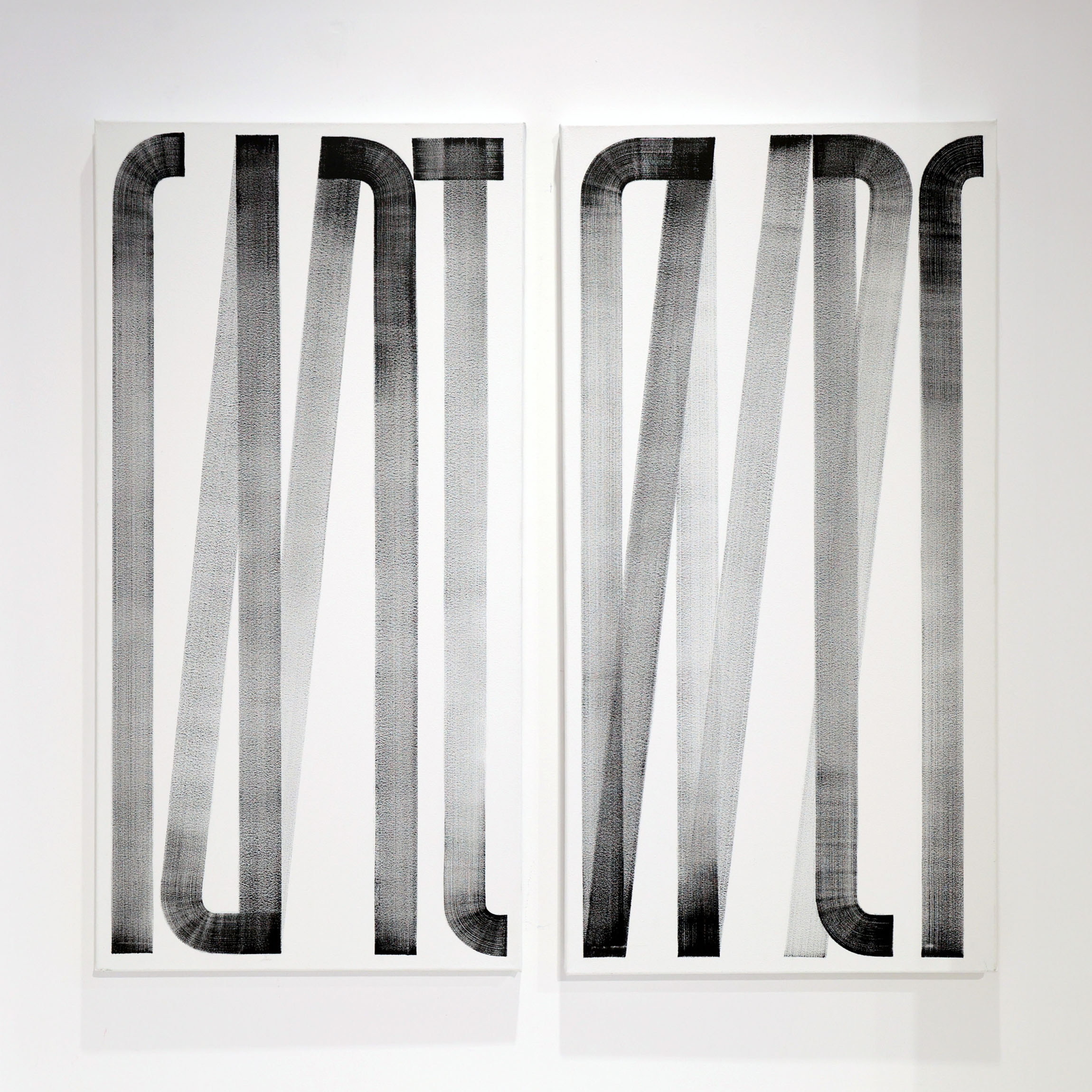
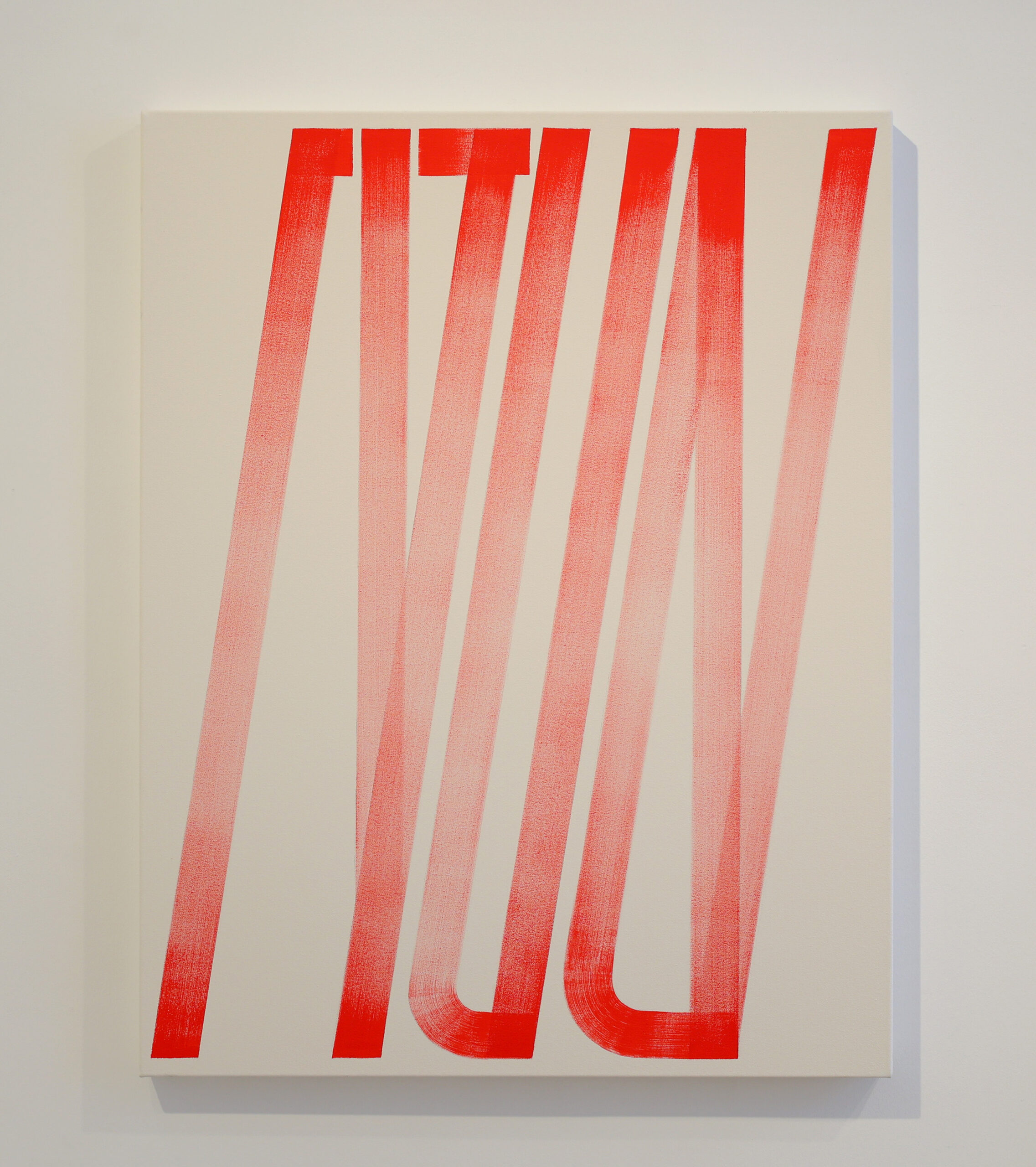
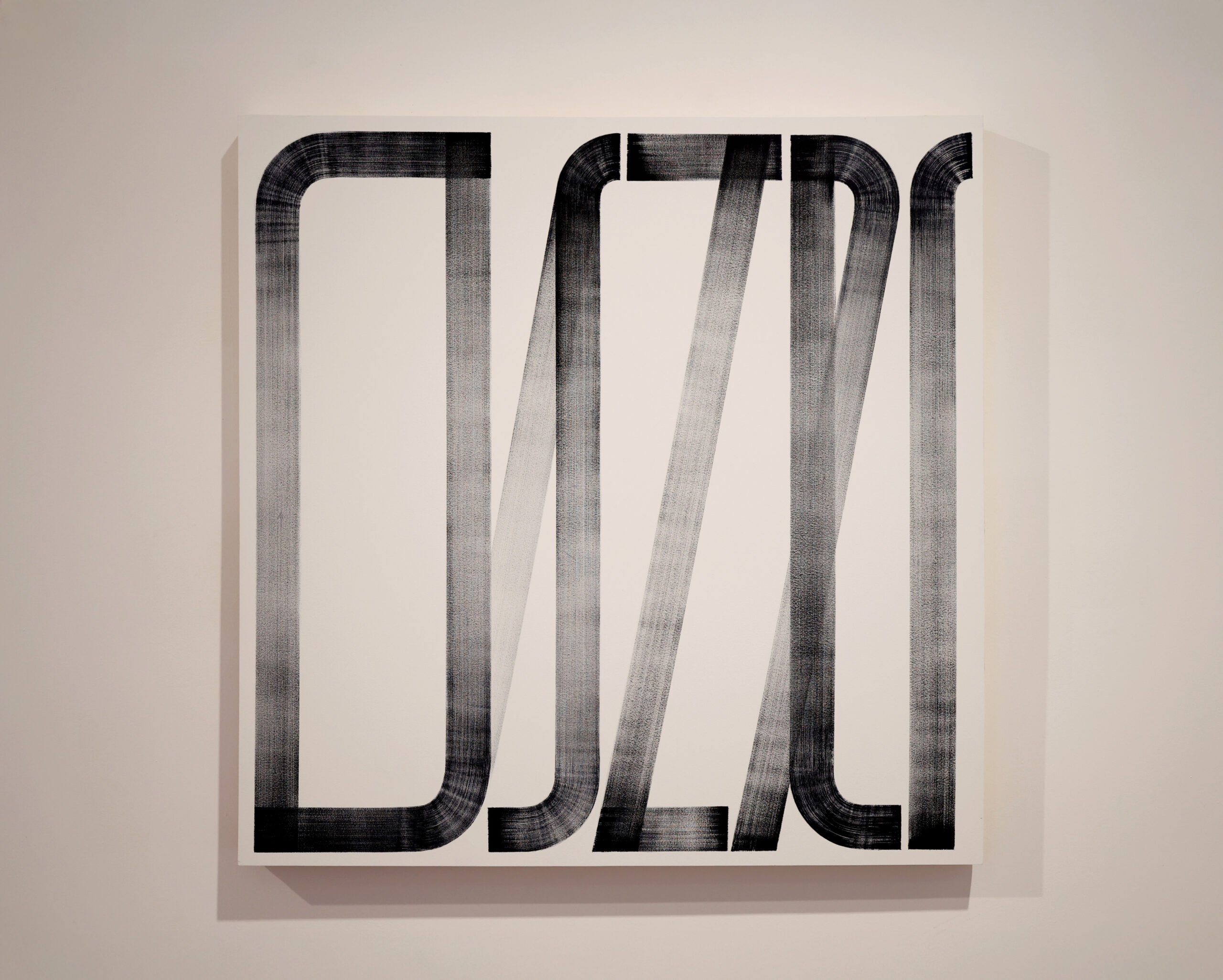
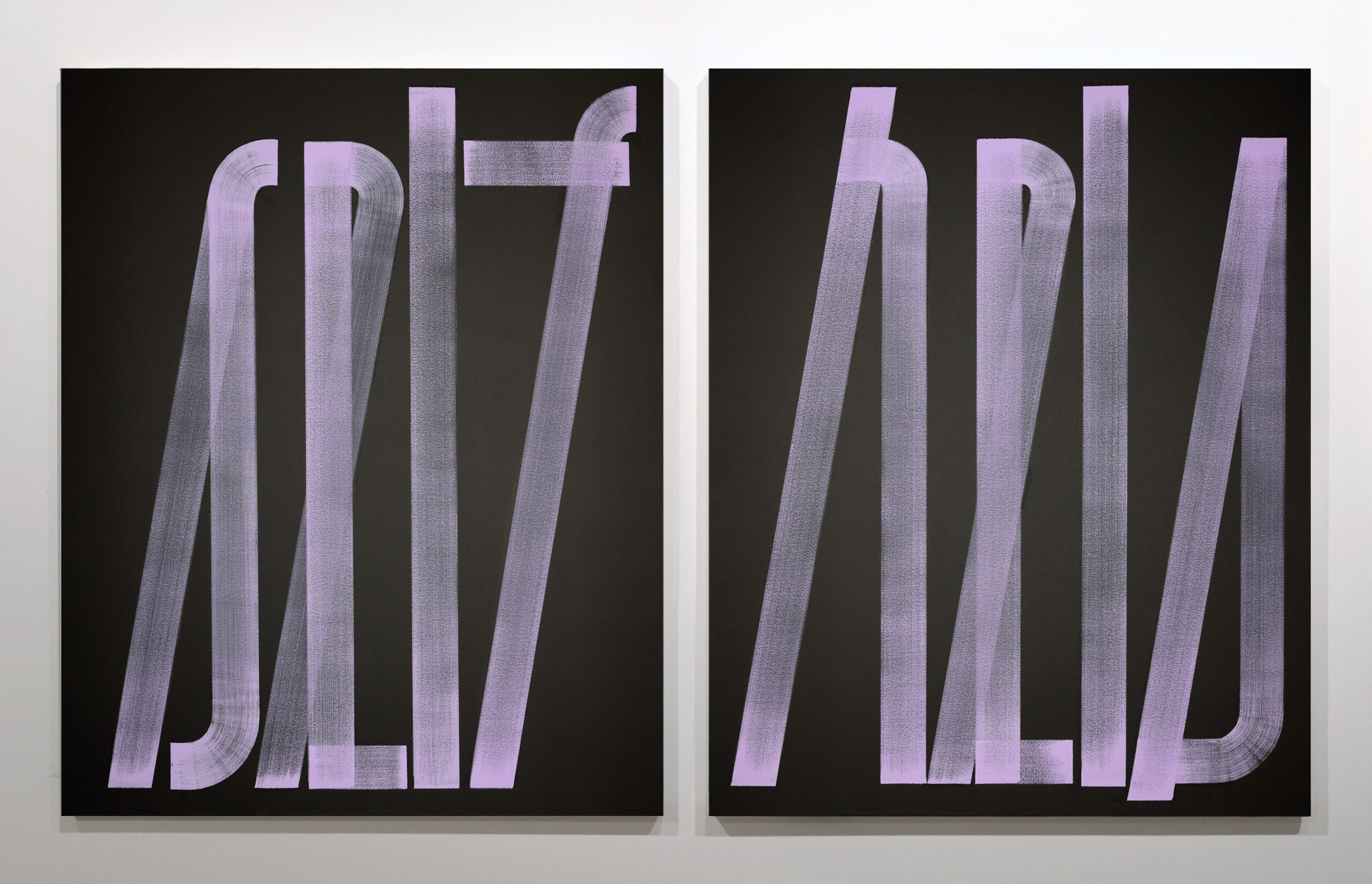
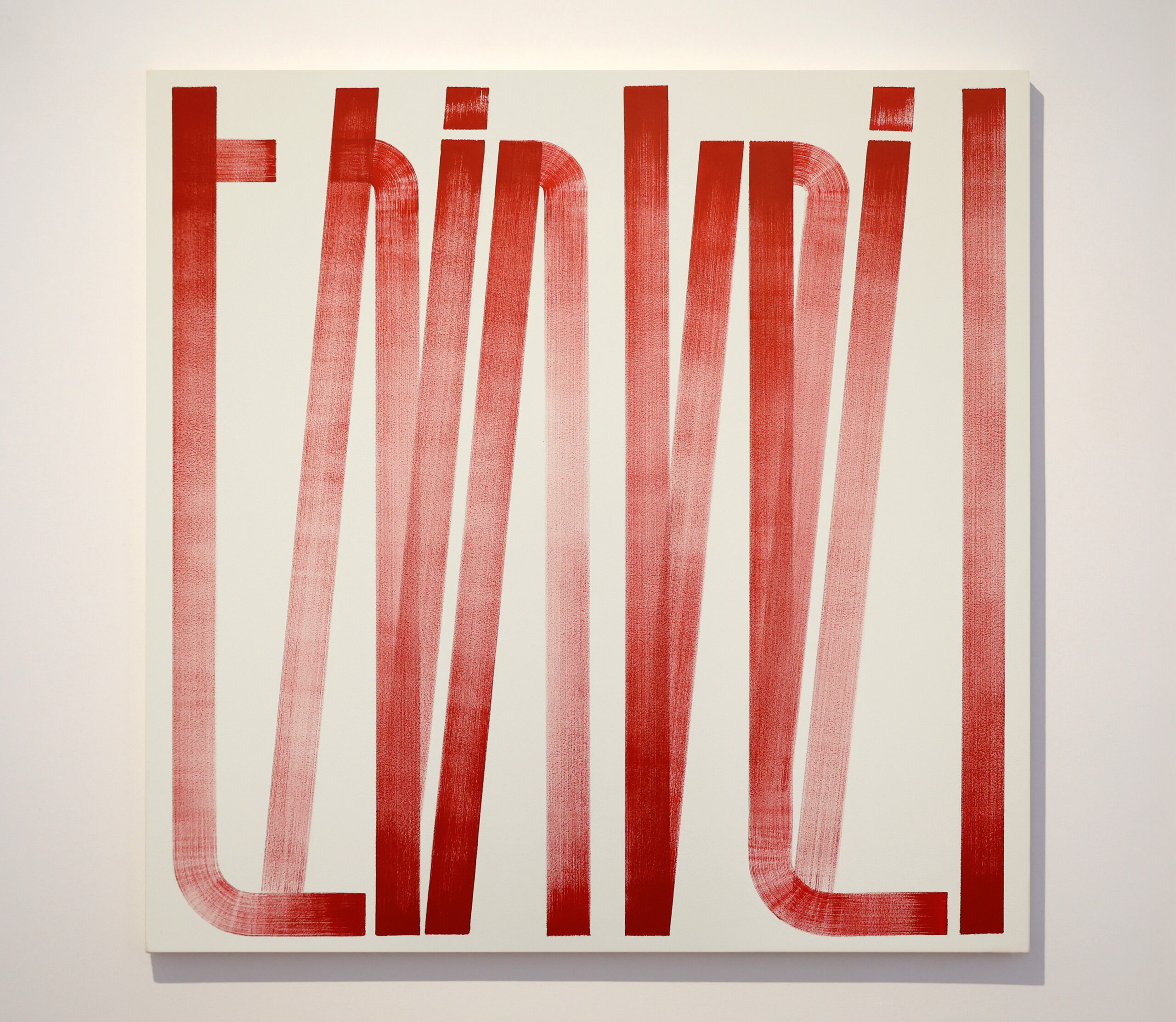
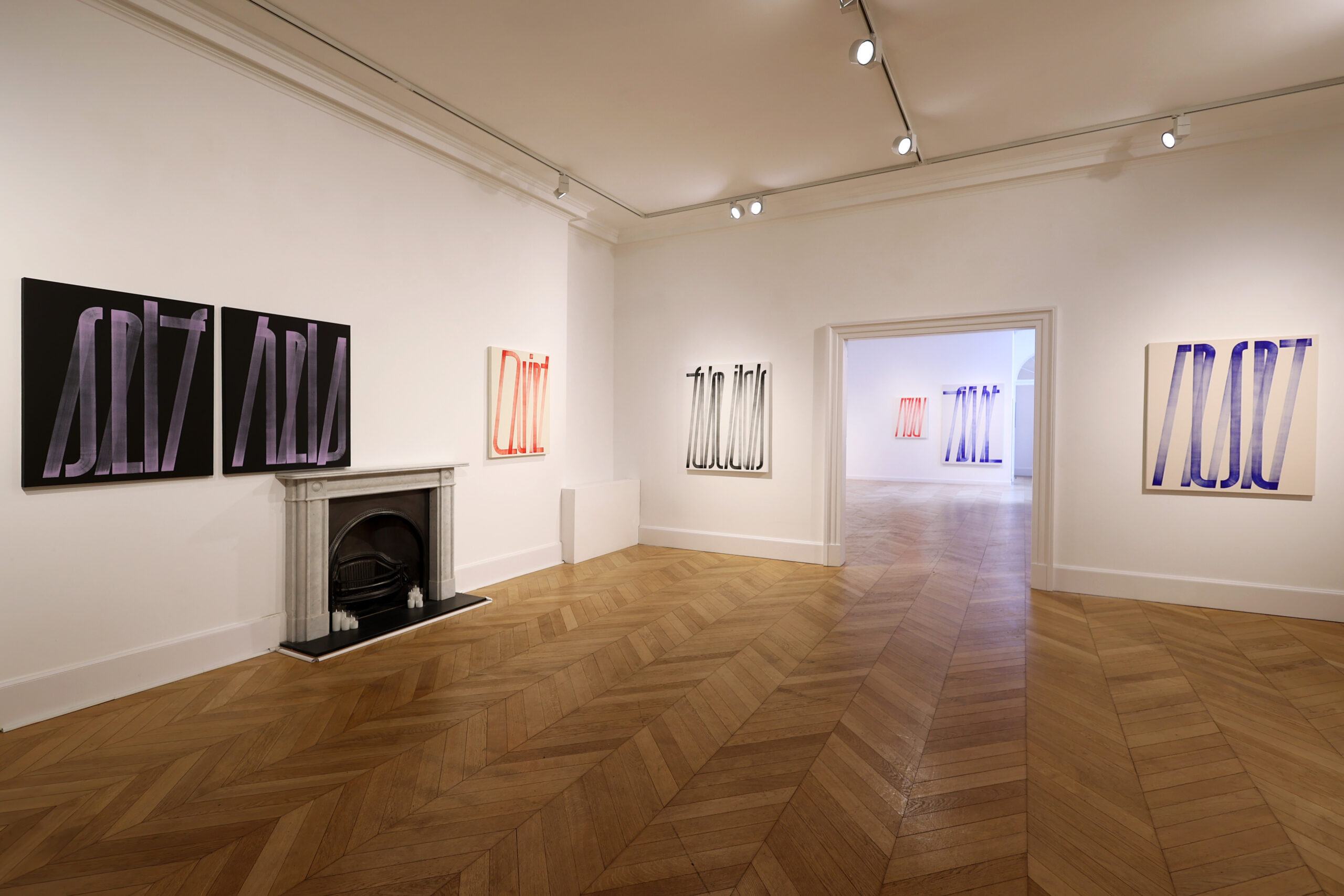
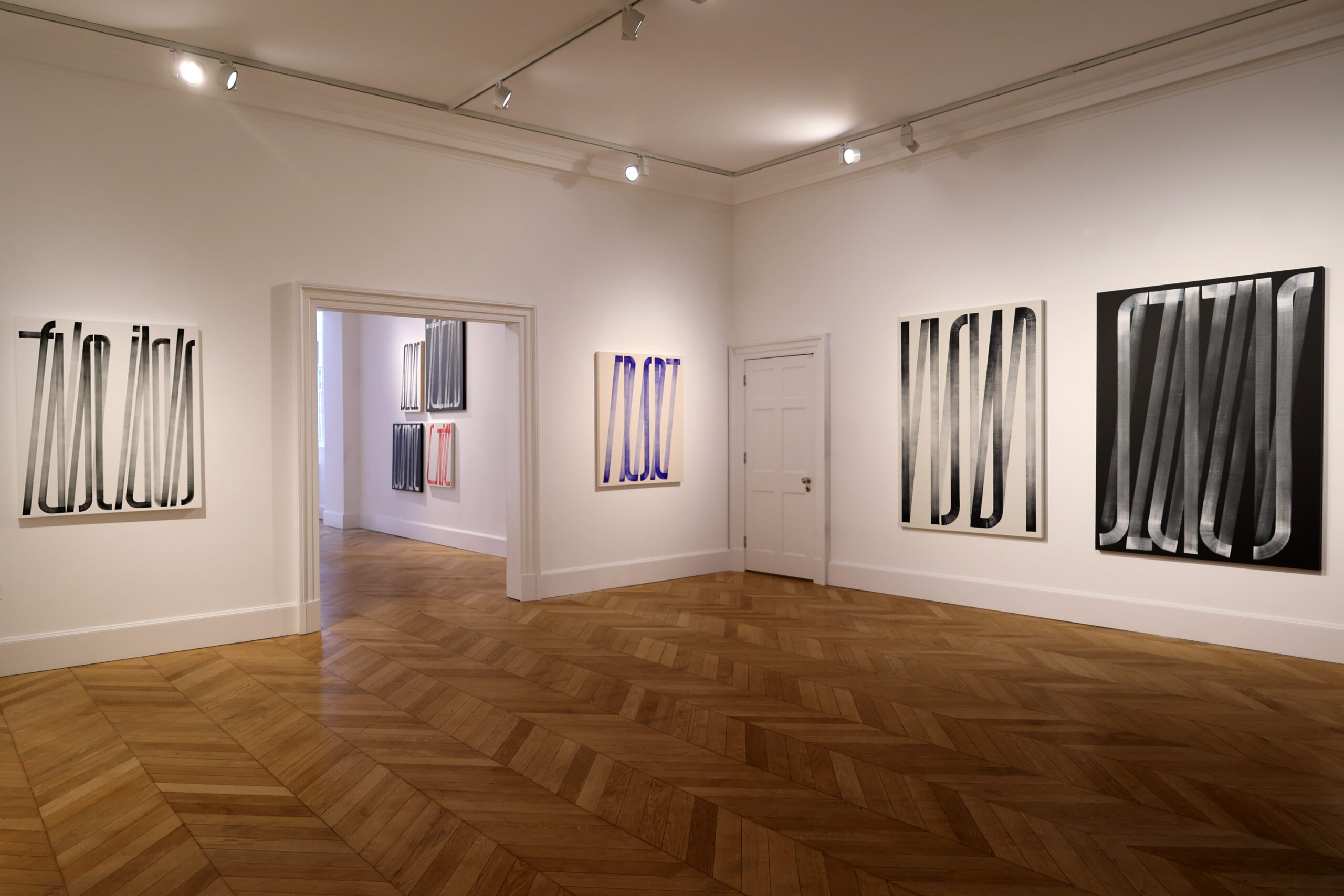
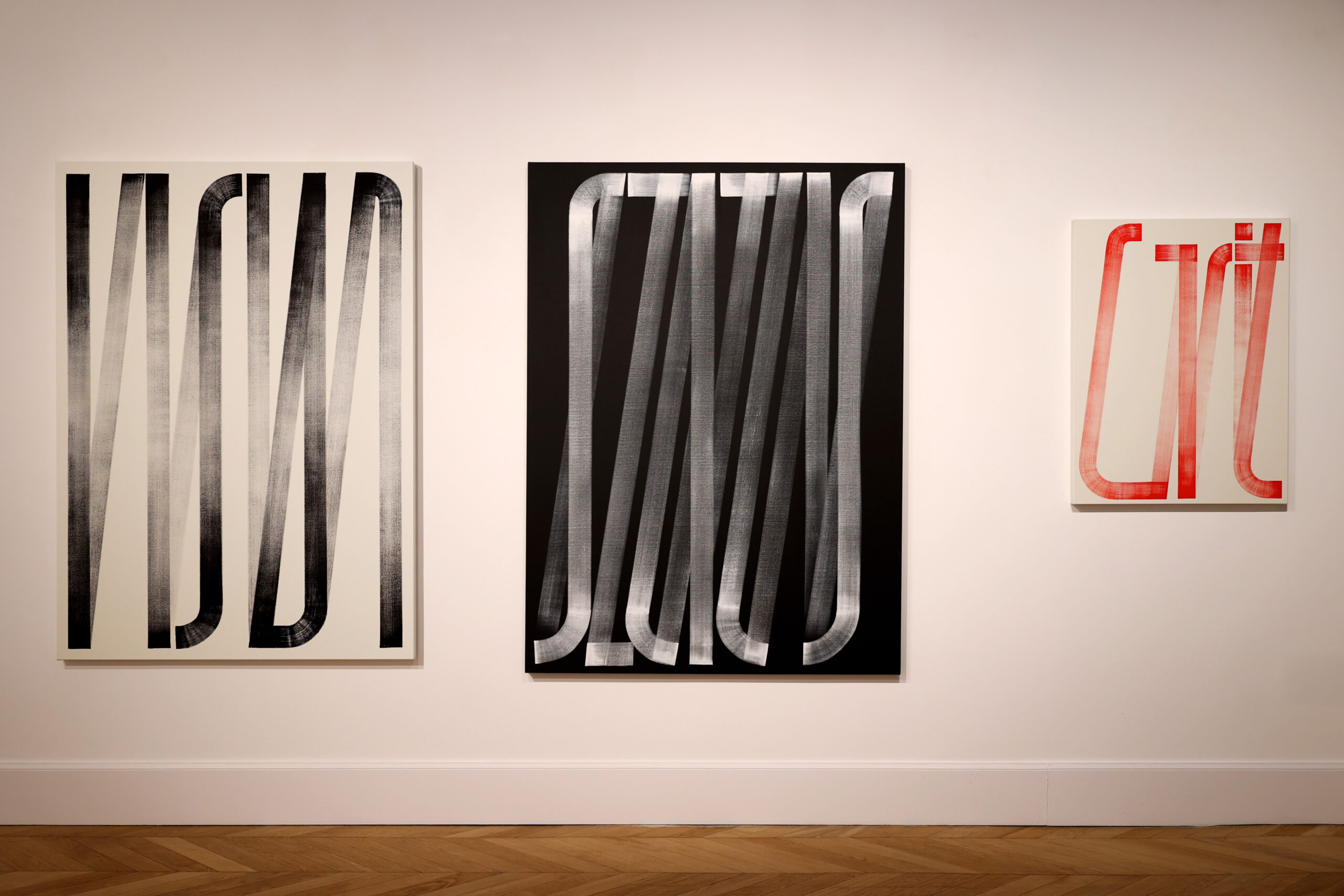
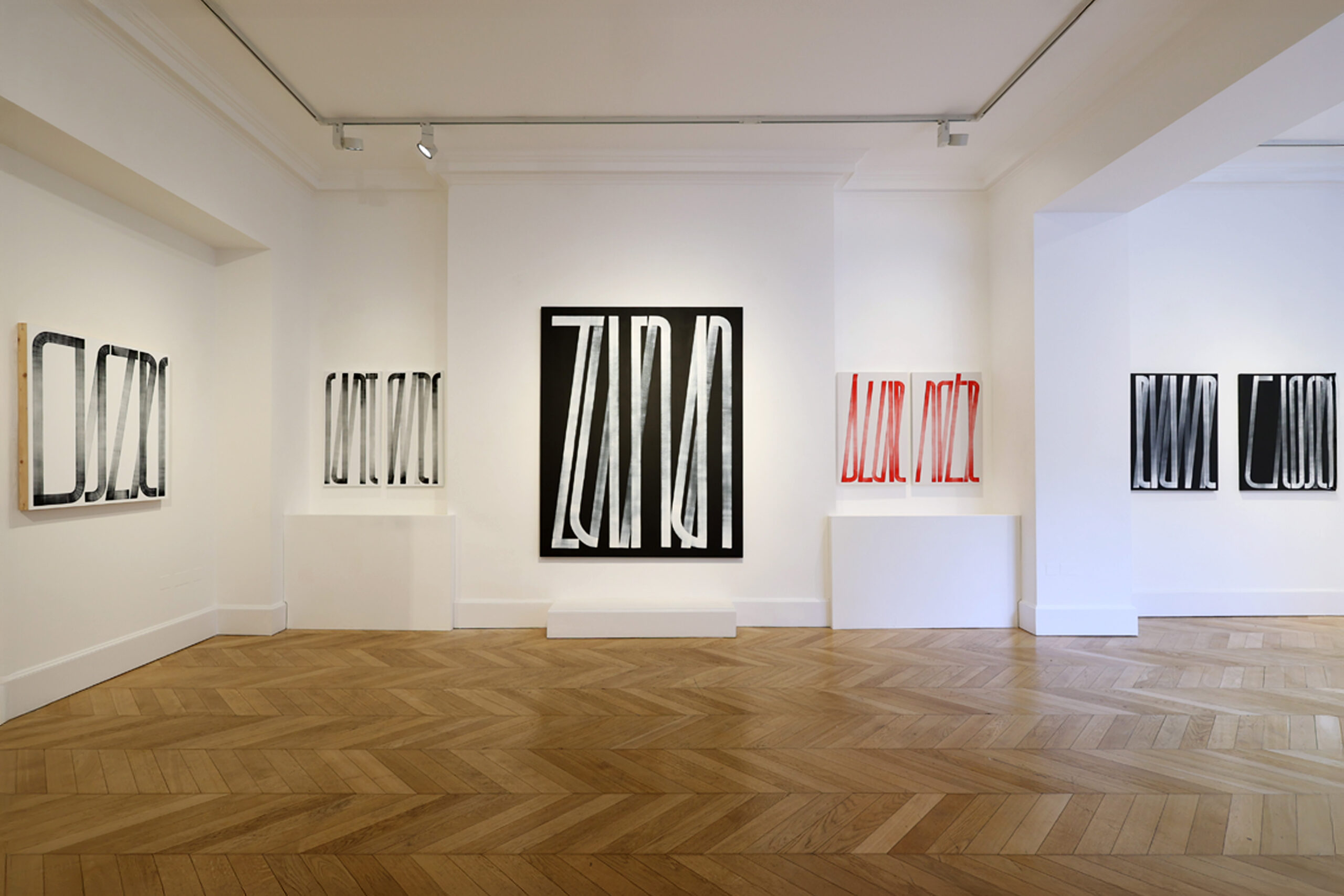
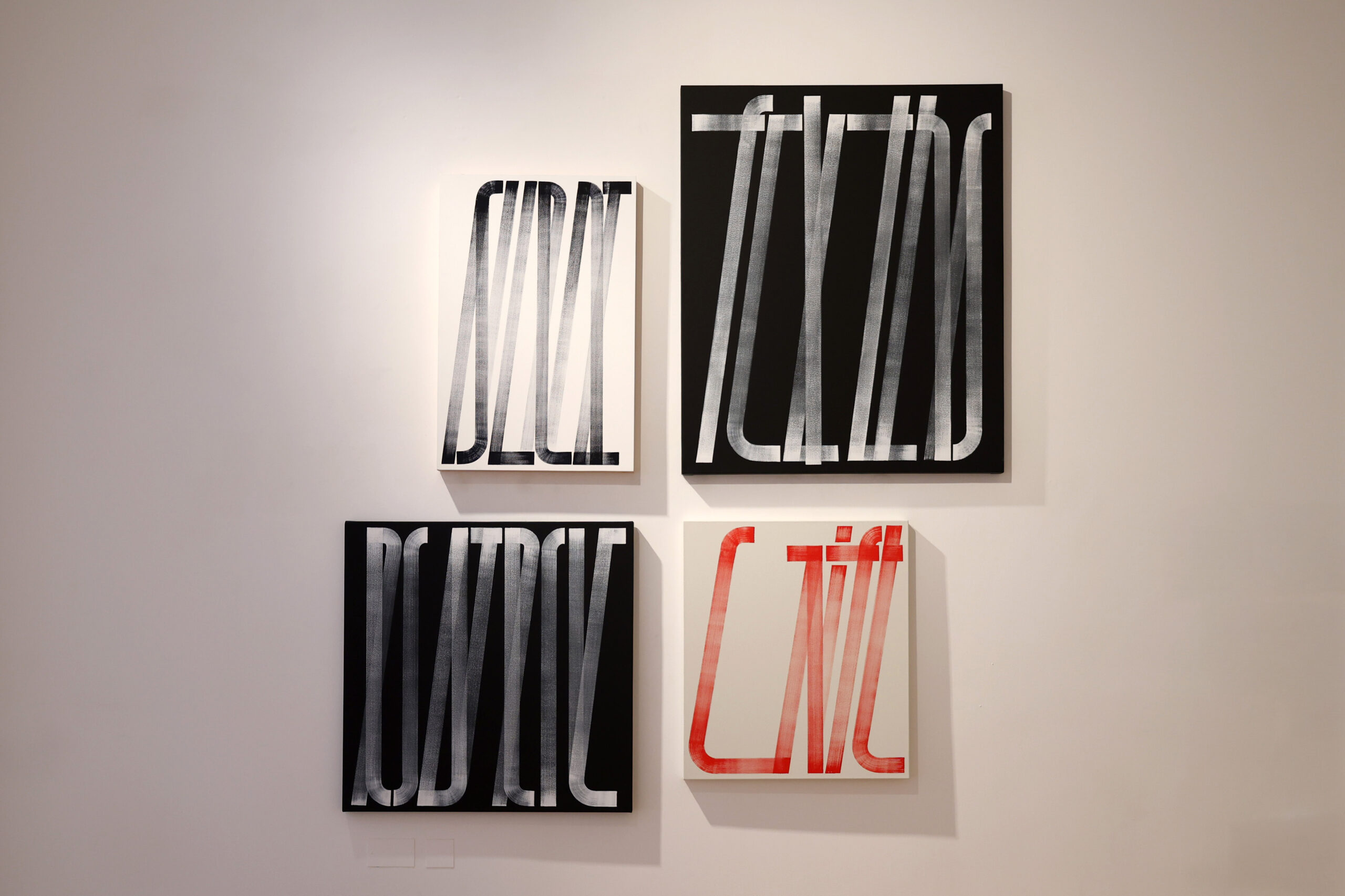
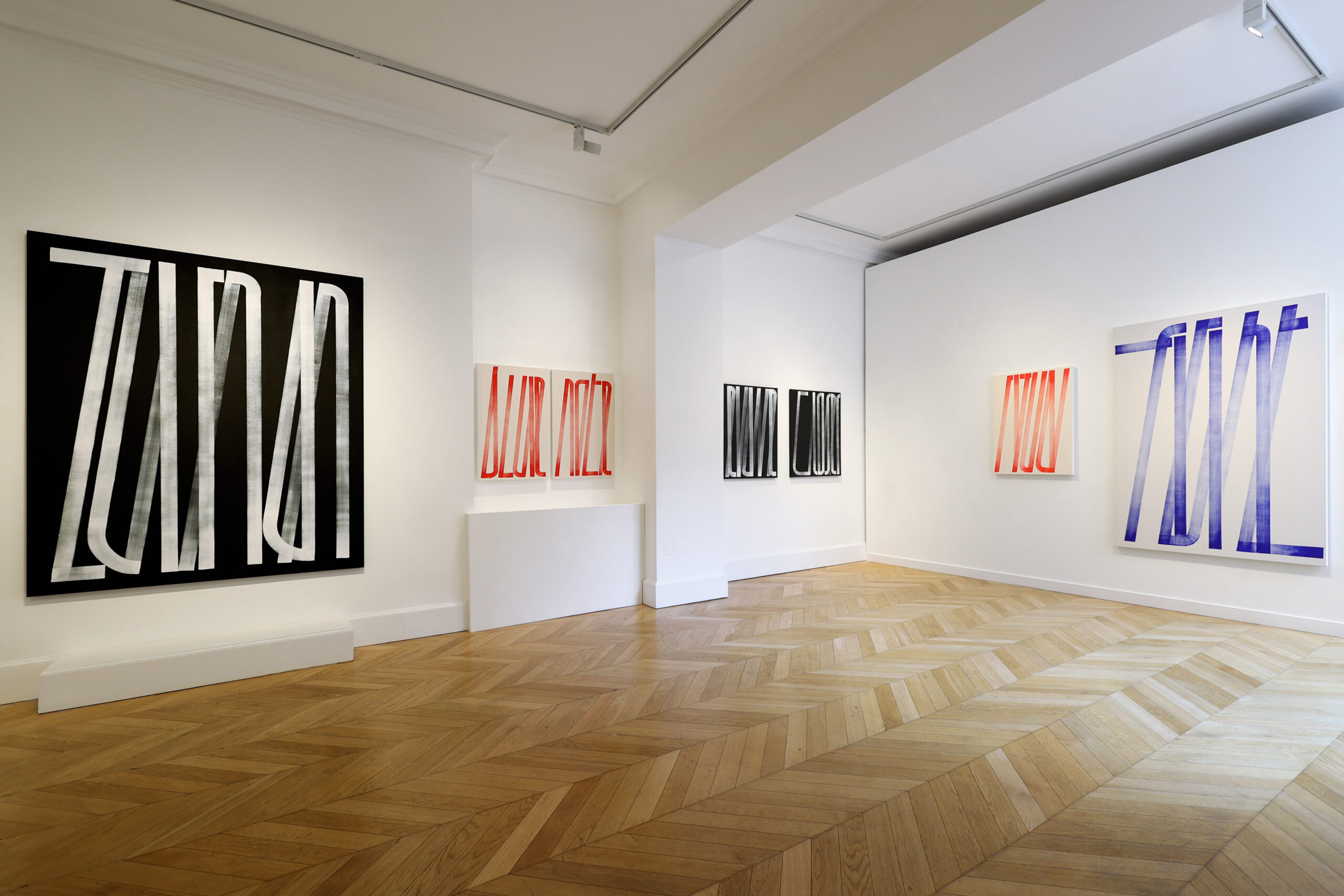
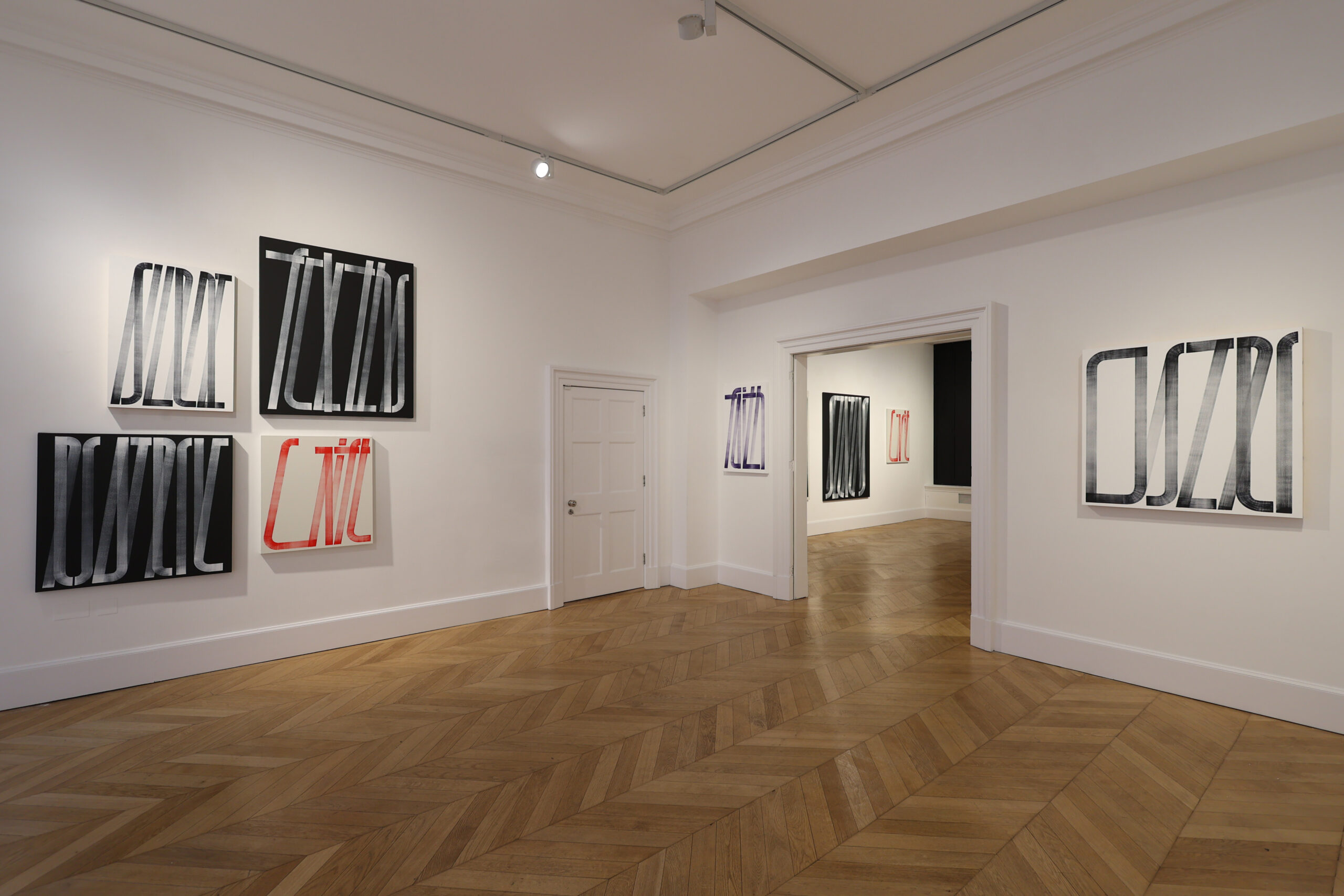
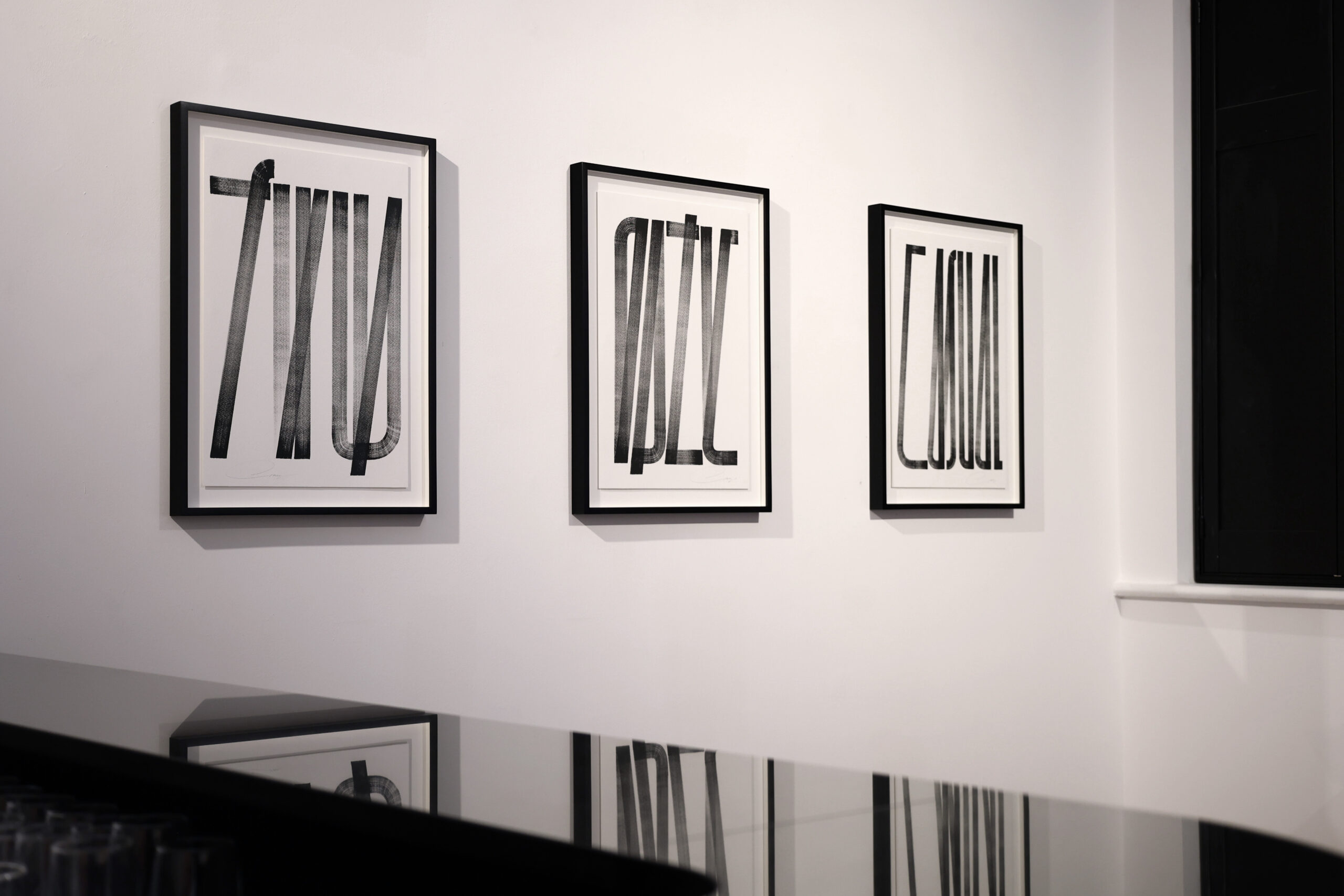
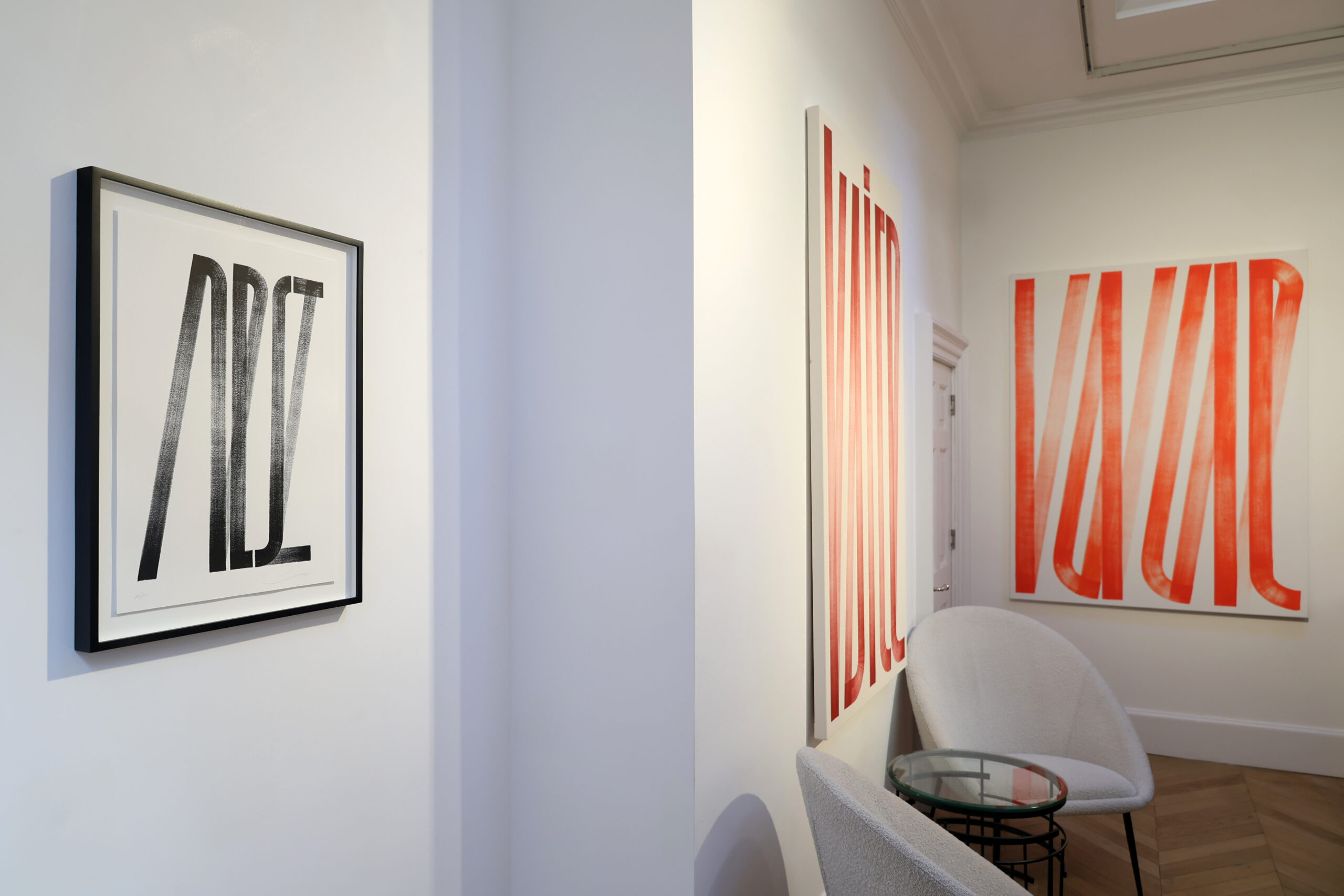
Gary Stranger is a contemporary artist whose work centres on the emotional power of language and the sculptural potential of letterforms. Beginning his artistic journey through graffiti in the mid-1990s, Stranger quickly developed a deep fascination with typography, composition and the psychological impact of words. Over time, his practice has evolved into a refined, minimalist approach that bridges street culture, design and contemporary fine art.
Read more“Expression of self is my intention, whilst respecting the intelligence of the audience.”
Gary Stranger
Exhibitions
Speak with our team about Gary Stranger
In conversation with Gary Stranger
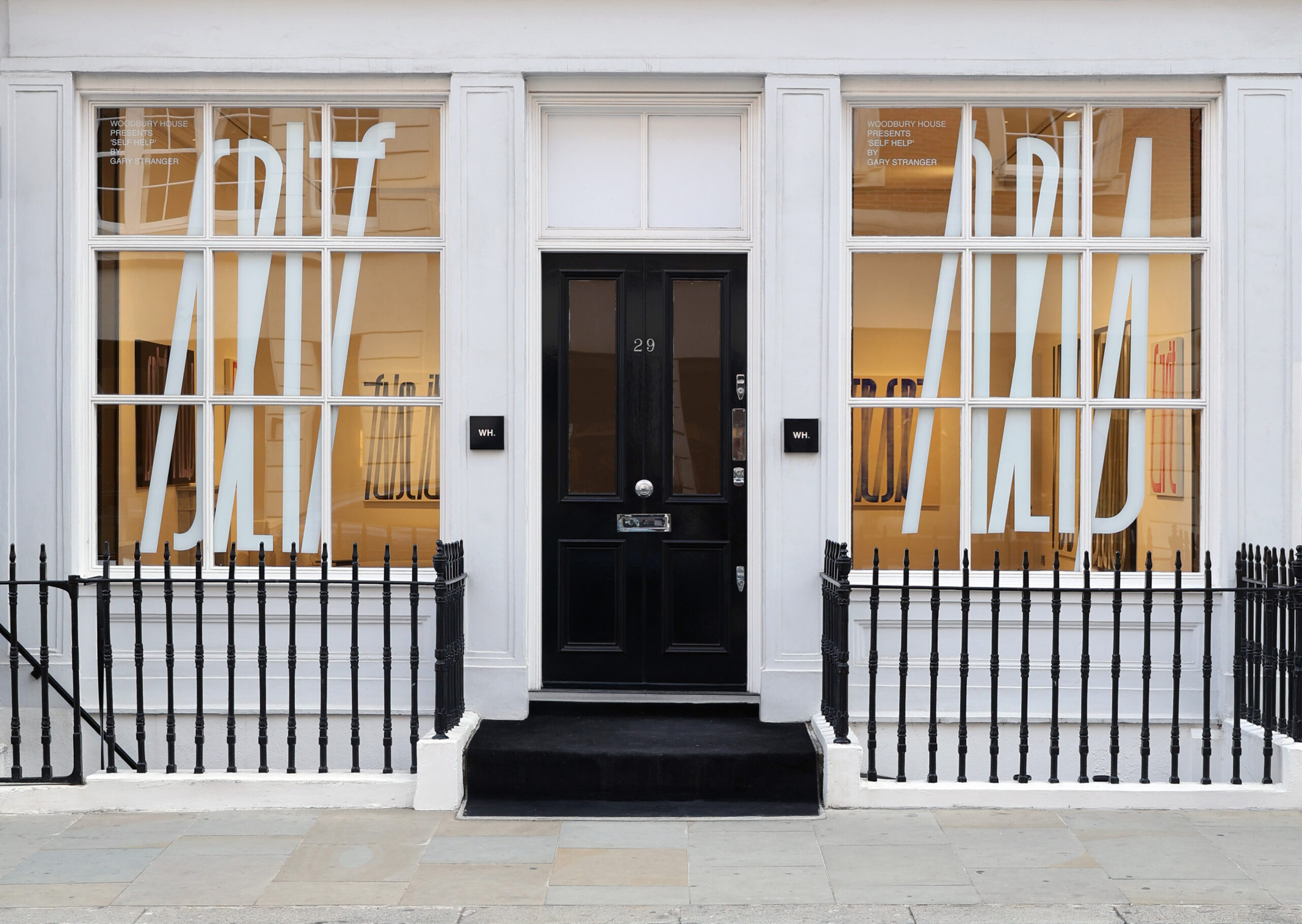
In this filmed conversation, Gary Stranger sits down with Woodbury House founder Steven Sulley to discuss his creative journey — from his early graffiti years and involvement with MSK, to his evolution into refined typographic abstraction. The discussion offers insight into the thinking behind his Self Help body of work, his approach to language and emotion, and the direction of his practice moving forward.