Chaz Bojórquez
(b. 1949)
‘The Godfather of Cholo’
Featured Artworks
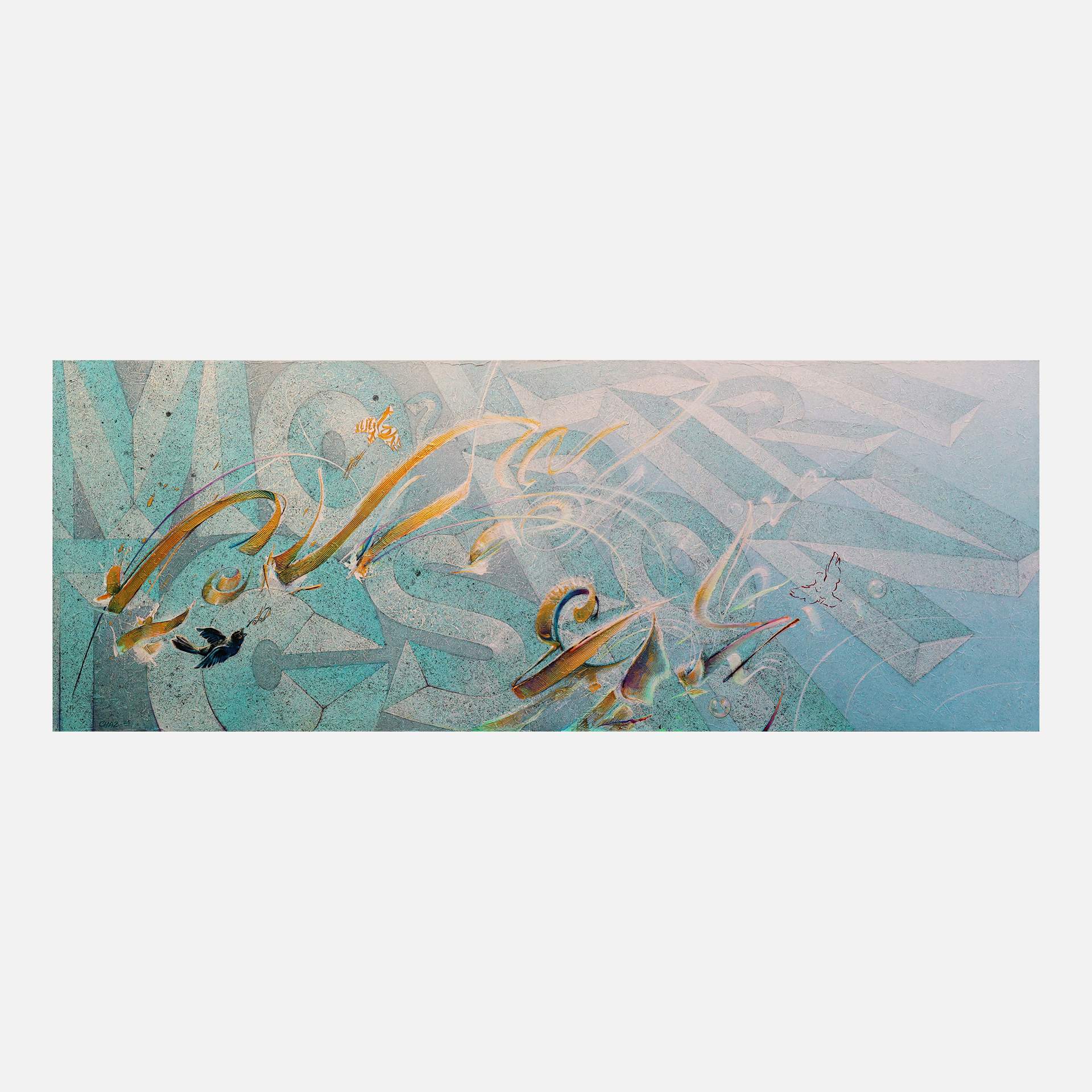
Acrylic Paint and Paper on Canvas
36 x 96 in
91.4 x 243.8 cm
(CB015) Price on application
Acrylic Paint and Paper on Canvas
36 x 96 in
91.4 x 243.8 cm
(CB015) Price on application
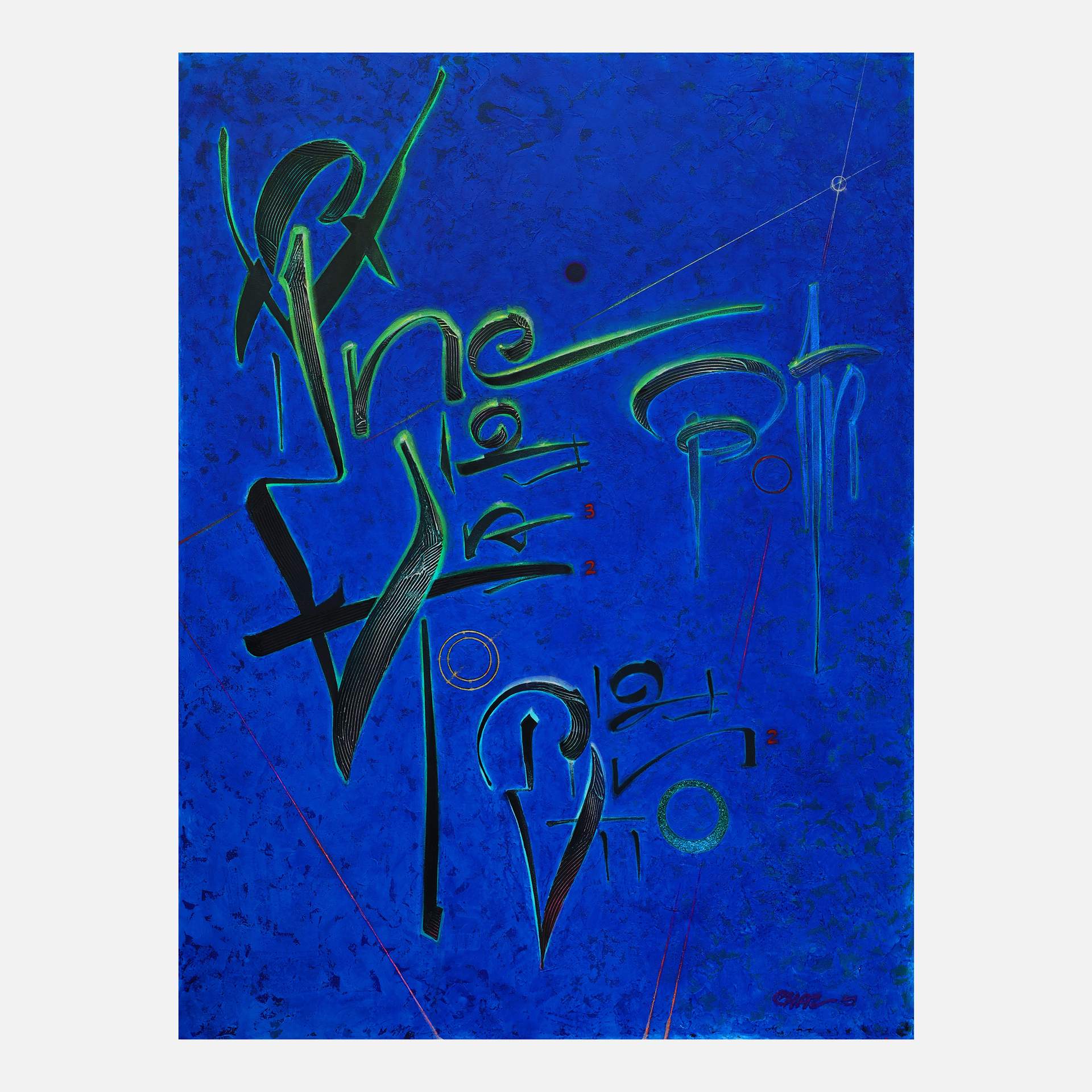
Acrylic Paint and Glitter on Canvas
48 x 36 in
121.9 x 91.4 cm
(CB002) Price on application
Acrylic Paint and Glitter on Canvas
48 x 36 in
121.9 x 91.4 cm
(CB002) Price on application
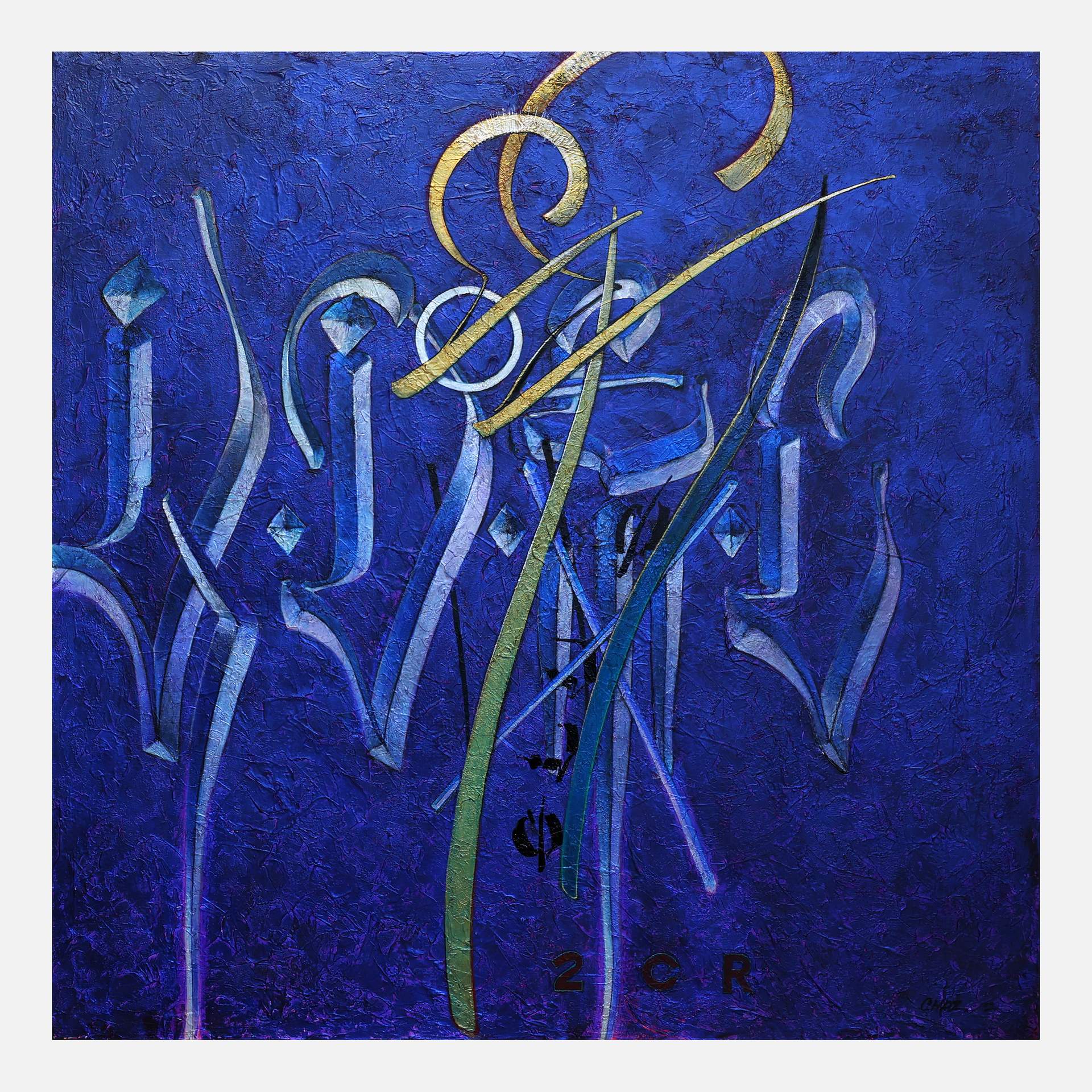
Acrylic Paint, Pearl Acrylic Paint and Silver Marker on Canvas
44 3/4 x 44 3/4 in
113.5 x 113.5 cm
(CB013) Price on application
Acrylic Paint, Pearl Acrylic Paint and Silver Marker on Canvas
44 3/4 x 44 3/4 in
113.5 x 113.5 cm
(CB013) Price on application
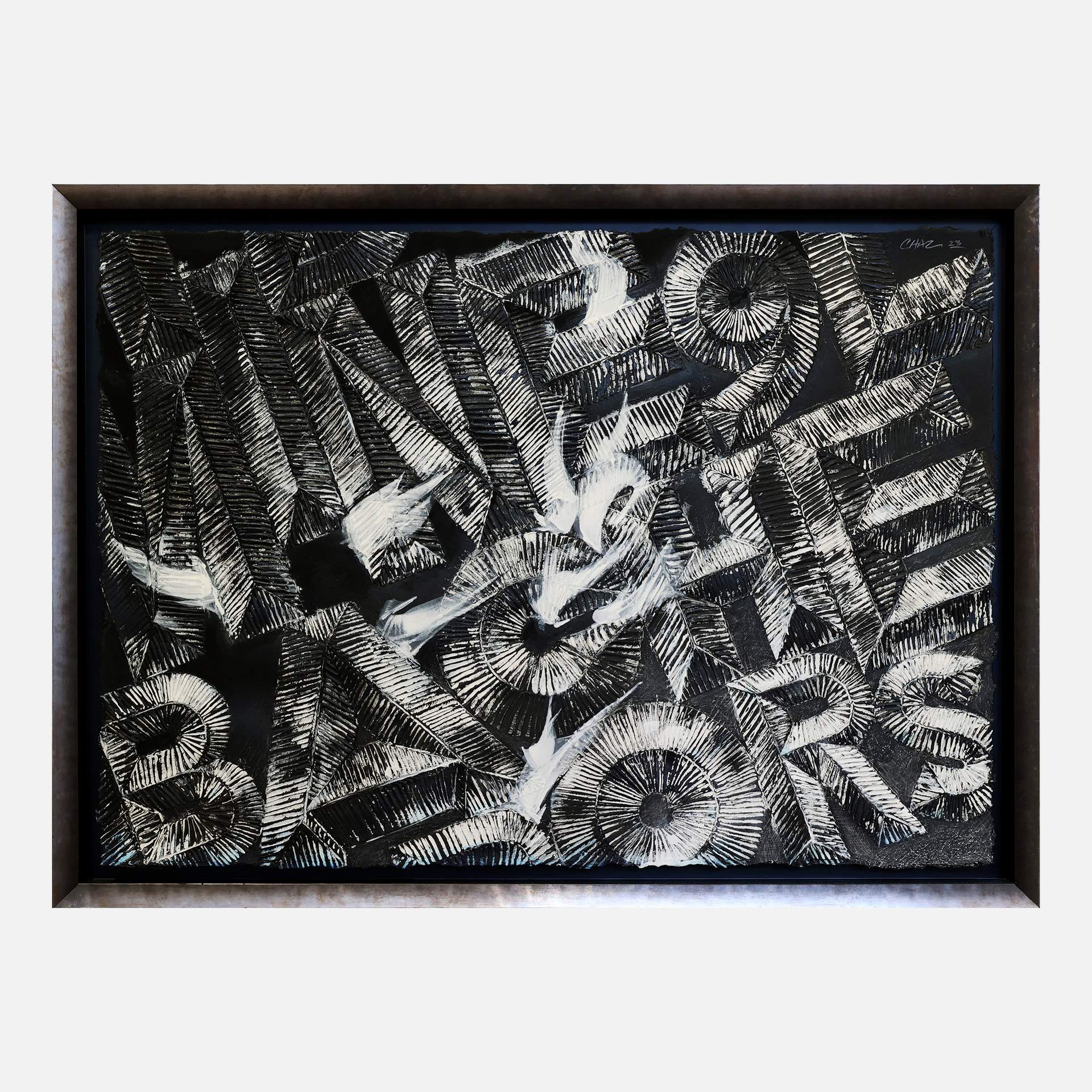
Zolatone paint, Acrylic paint on paper matrix painting
22 1/2 x 30 1/4 in
57 x 77 cm
(CB008) Price on application
Zolatone paint, Acrylic paint on paper matrix painting
22 1/2 x 30 1/4 in
57 x 77 cm
(CB008) Price on application
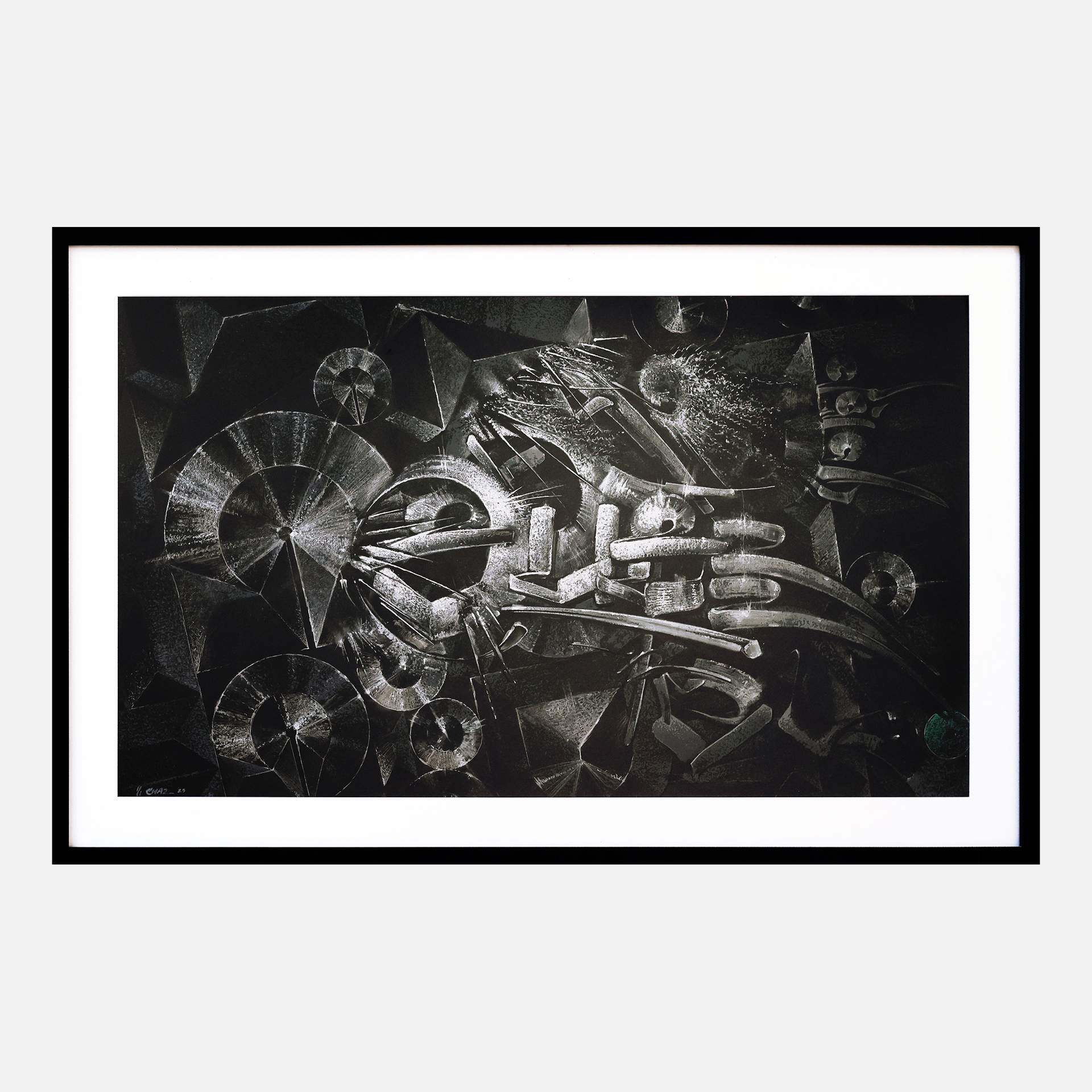
Serigraph print, Silver Pastel and Silver Glitter
35 1/4 x 55 1/8 in
89.5 x 140 cm
(CB014) Price on application
Serigraph print, Silver Pastel and Silver Glitter
35 1/4 x 55 1/8 in
89.5 x 140 cm
(CB014) Price on application
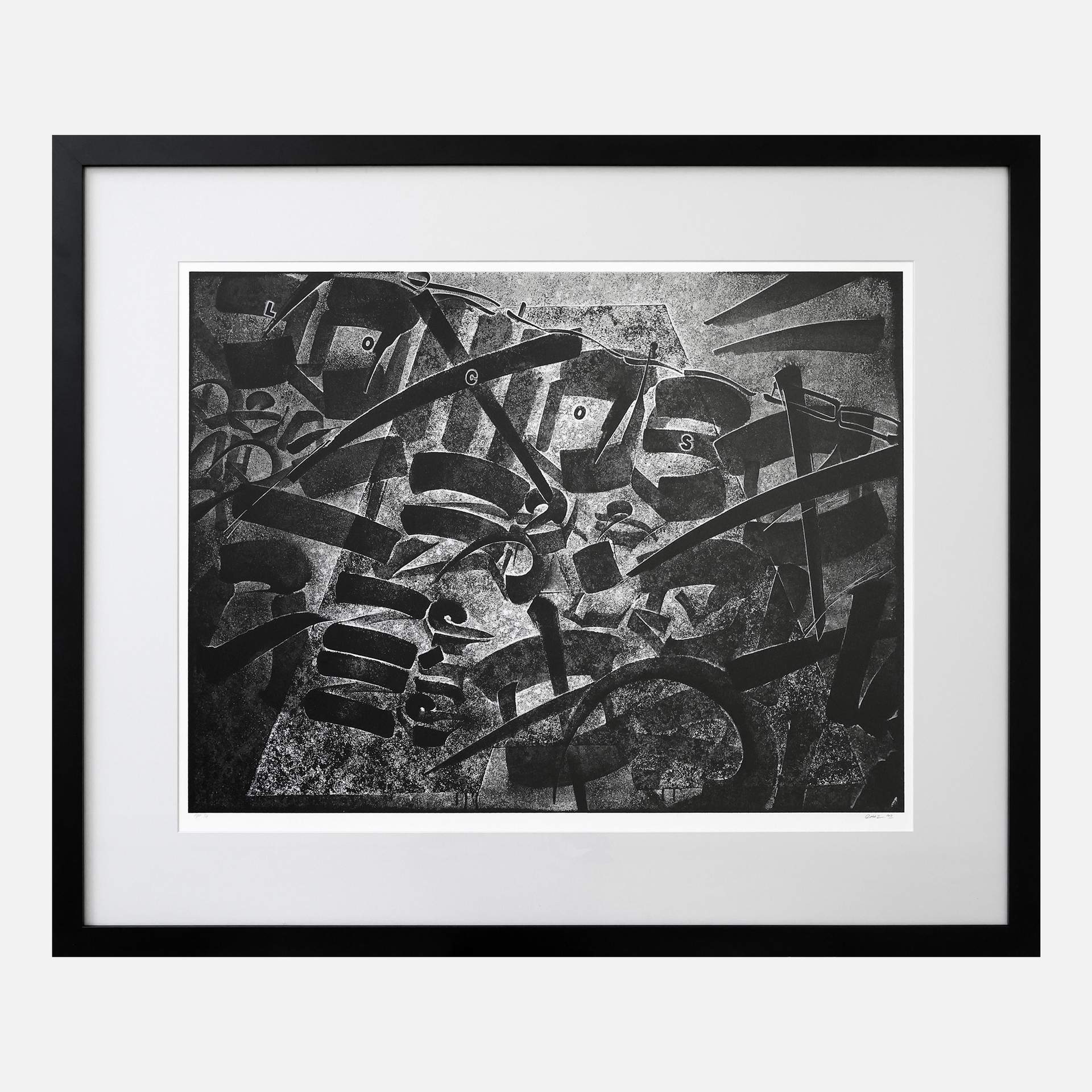
14 Colour Serigraph
41 3/4 x 50 1/8 in
105.9 x 127.3 cm
Edition of 20 plus 4 AP
(CB012) Price on application
14 Colour Serigraph
41 3/4 x 50 1/8 in
105.9 x 127.3 cm
Edition of 20 plus 4 AP
(CB012) Price on application
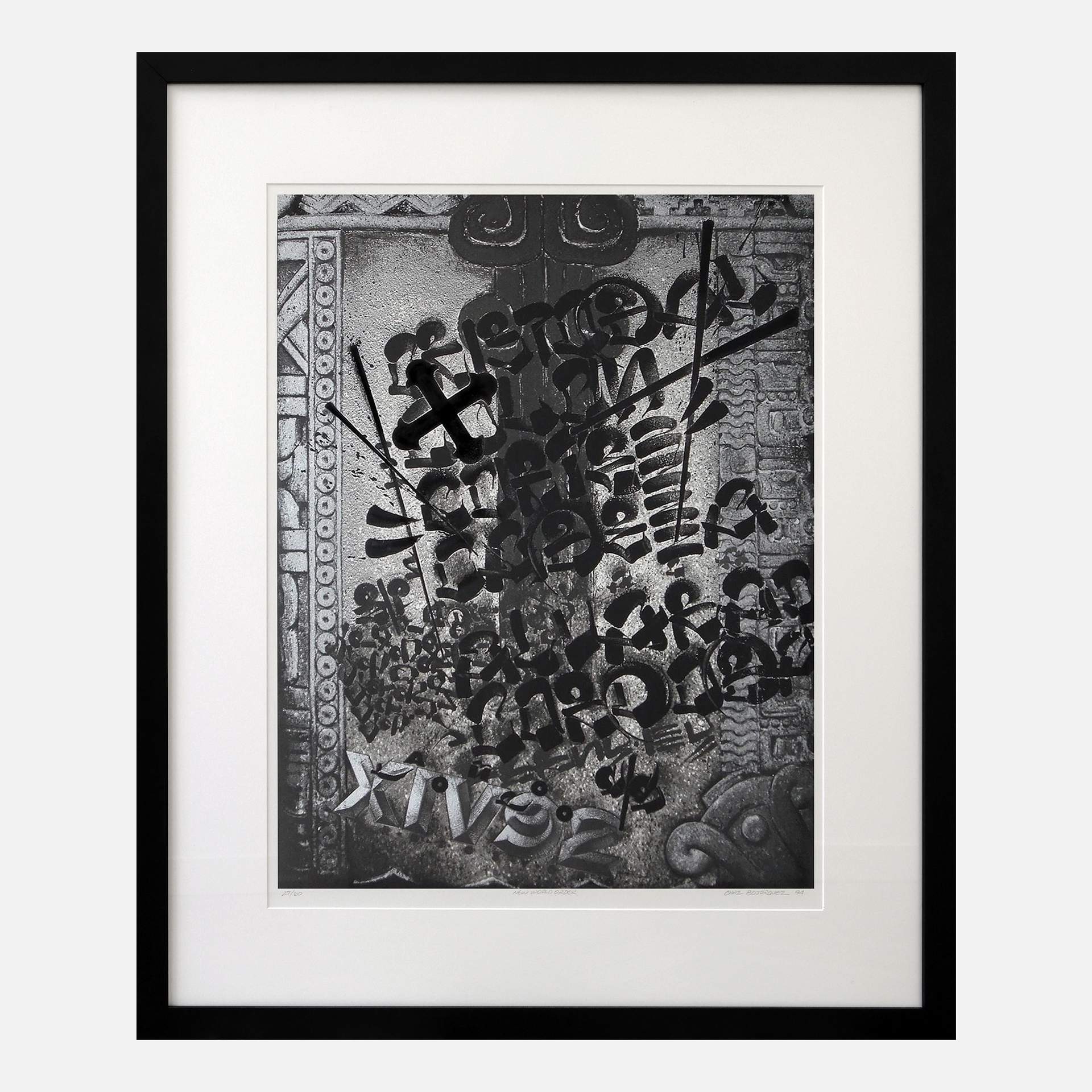
Serigraph: 7 Screens
44 x 40 in
111.7 x 101.6 cm
Edition of 60
(CB010) Price on application
Serigraph: 7 Screens
44 x 40 in
111.7 x 101.6 cm
Edition of 60
(CB010) Price on application
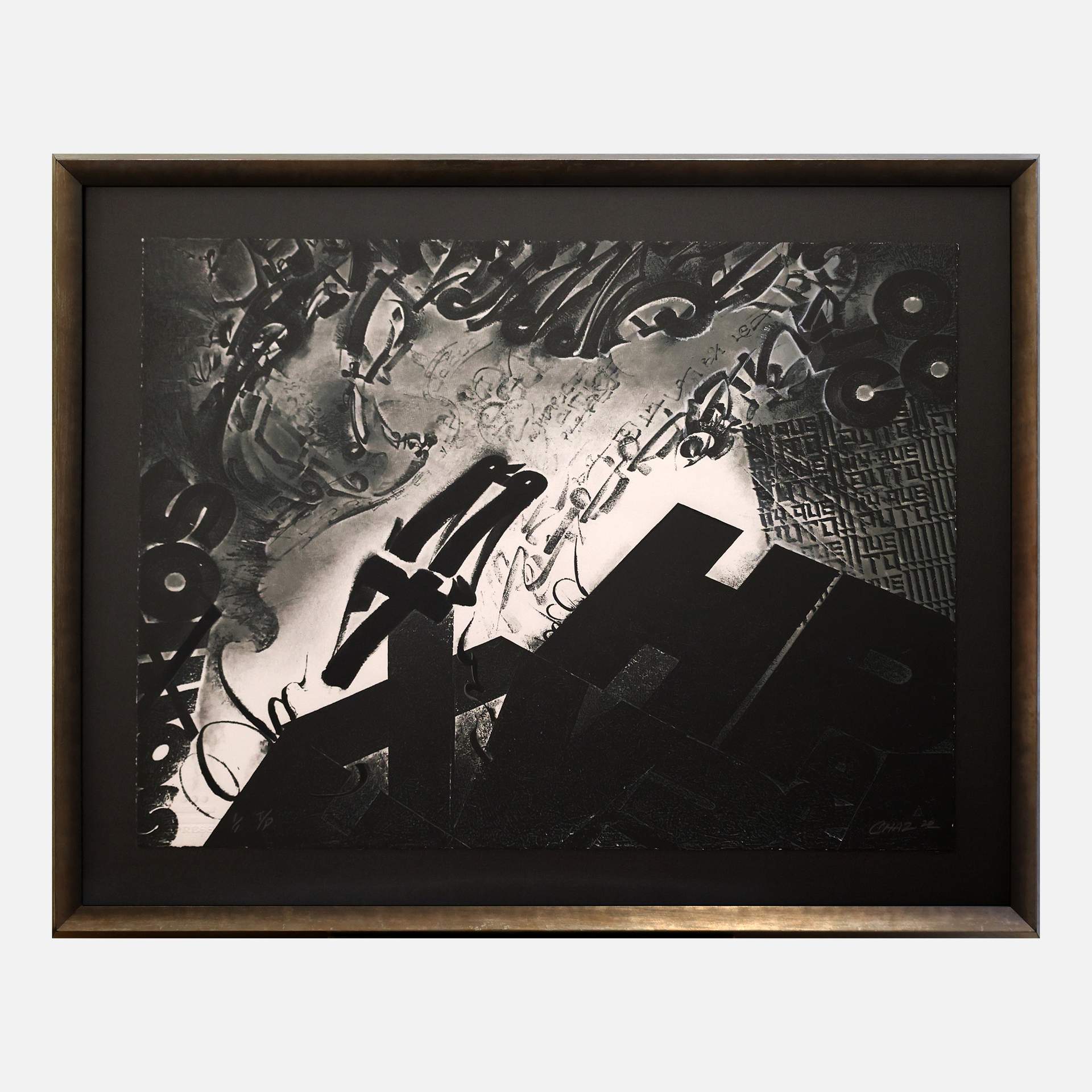
Hand painted Serigraph print
23 7/8 x 30 1/4 in
60.6 x 76.7 cm
(CB001) Price on application
Hand painted Serigraph print
23 7/8 x 30 1/4 in
60.6 x 76.7 cm
(CB001) Price on application
Contact our Art Advisors
About Chaz Bojórquez
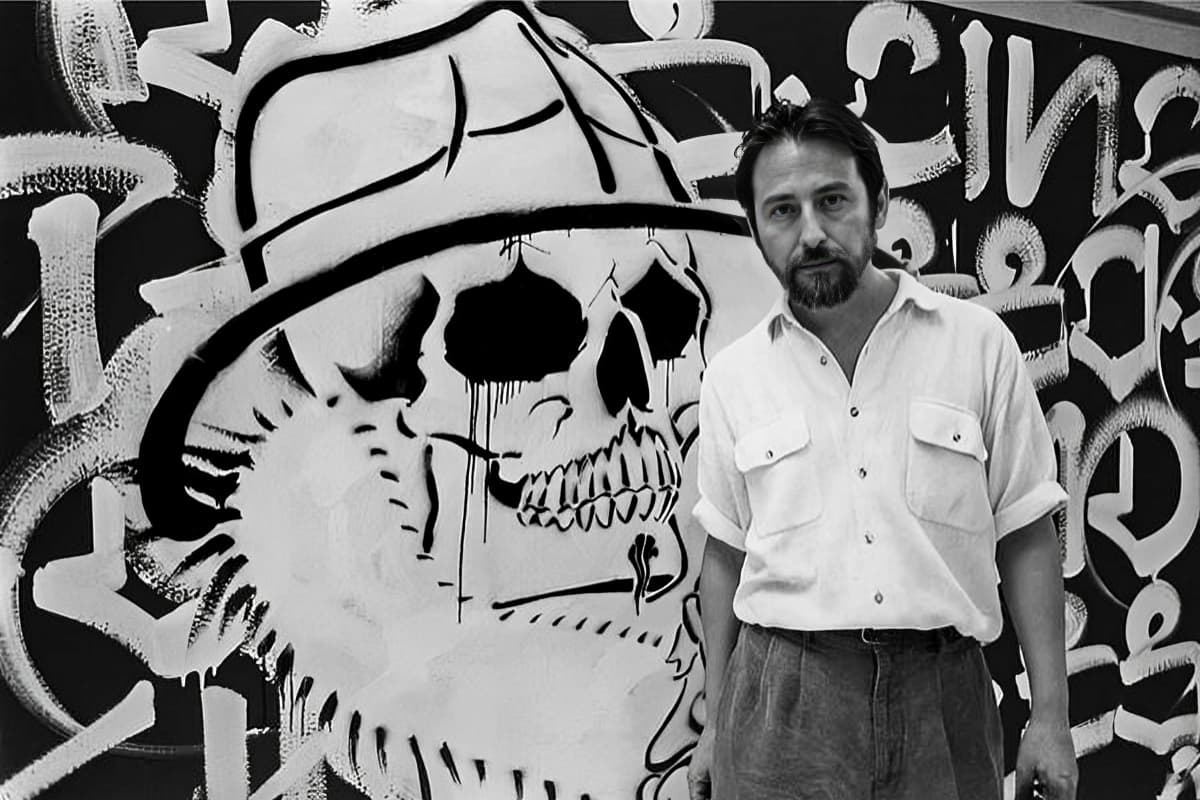
Charles “Chaz” Bojórquez is a pioneering American artist whose work occupies a foundational position in the history of graffiti, lettering, and street-based art. Widely recognised as the Godfather of Cholo Writing, Bojórquez is among the earliest graffiti artists in the United States and has maintained an active practice since 1969.
Read more