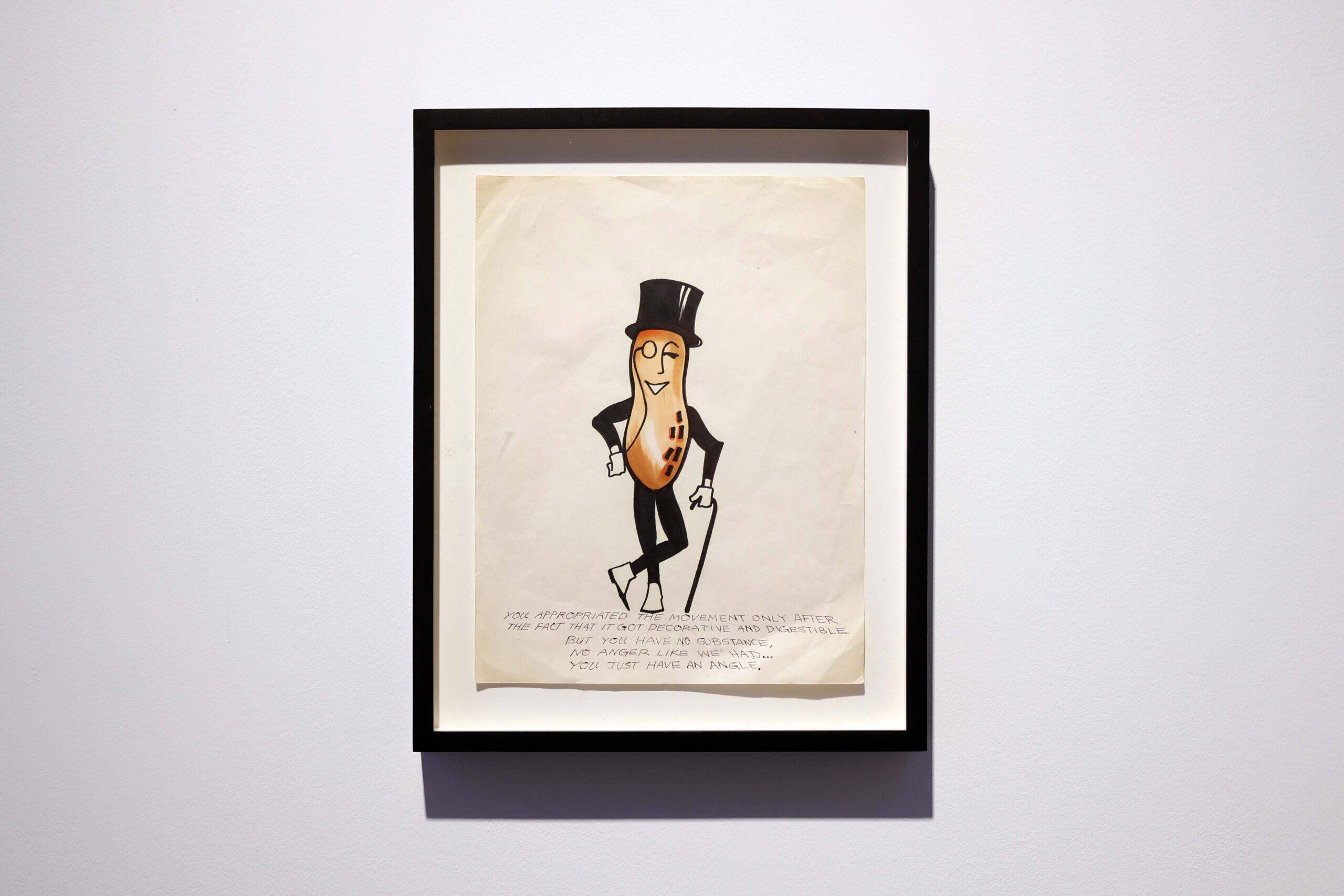
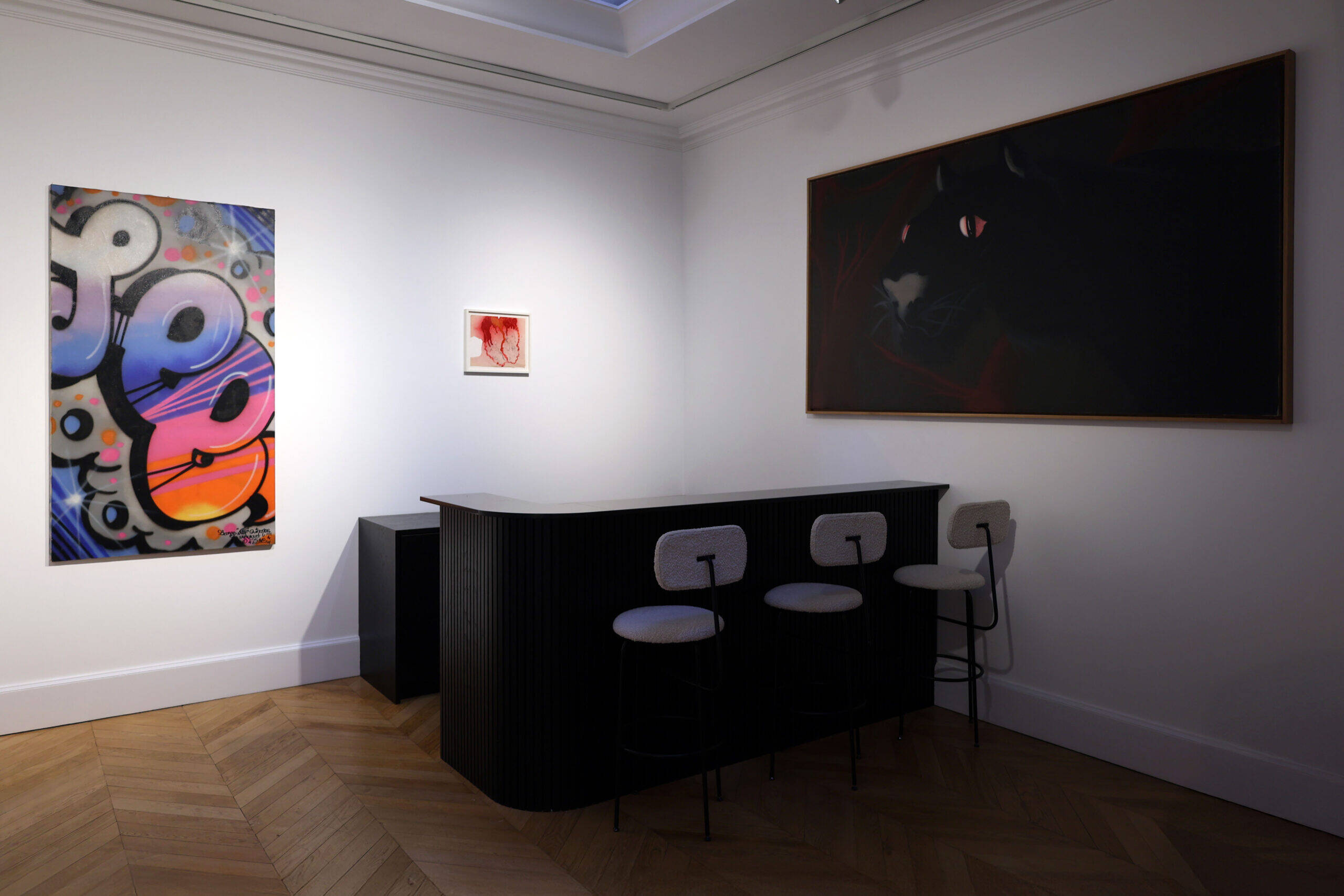
Lee Quiñones
(b. 1960)
A pioneering force in New York subway and street art
Featured Artworks
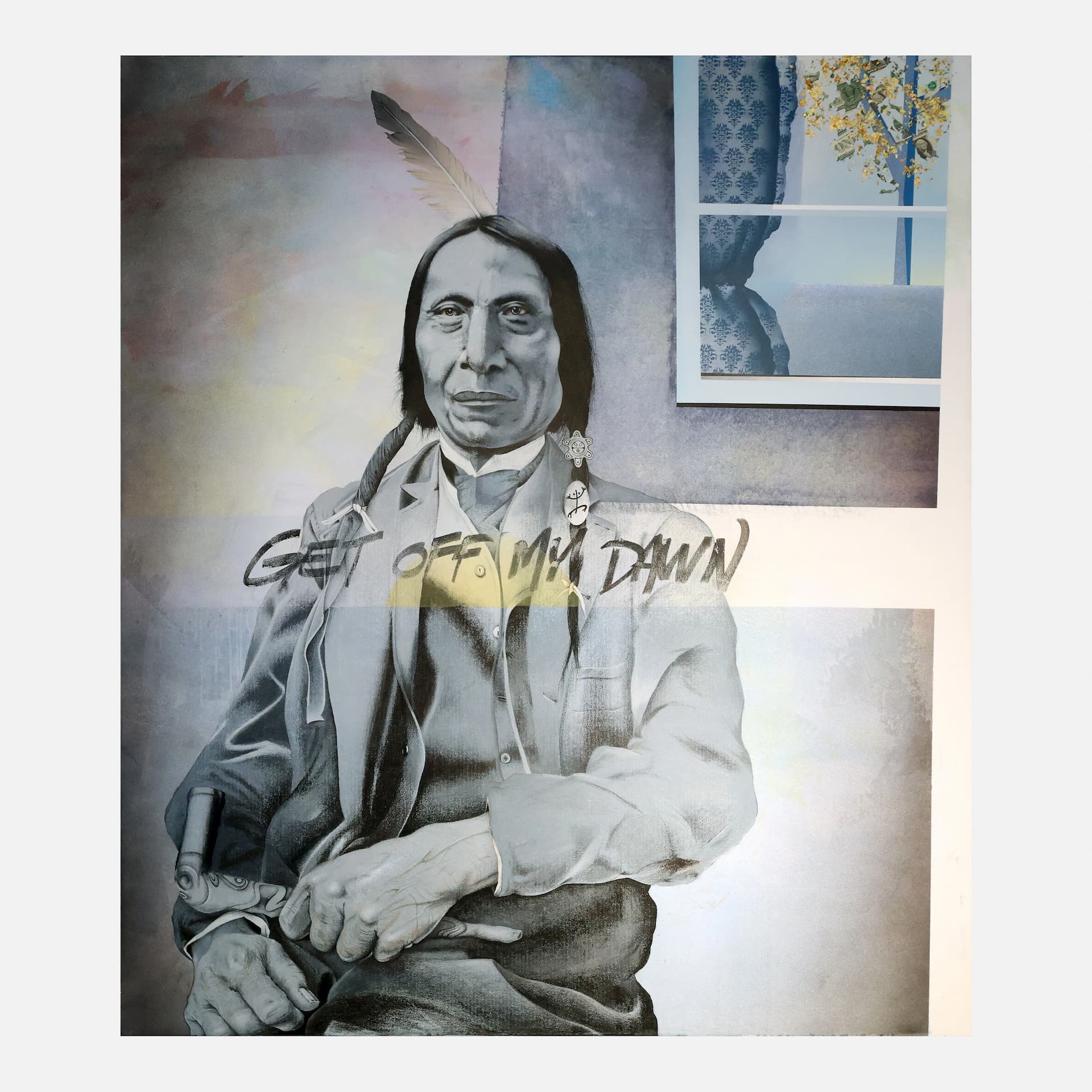
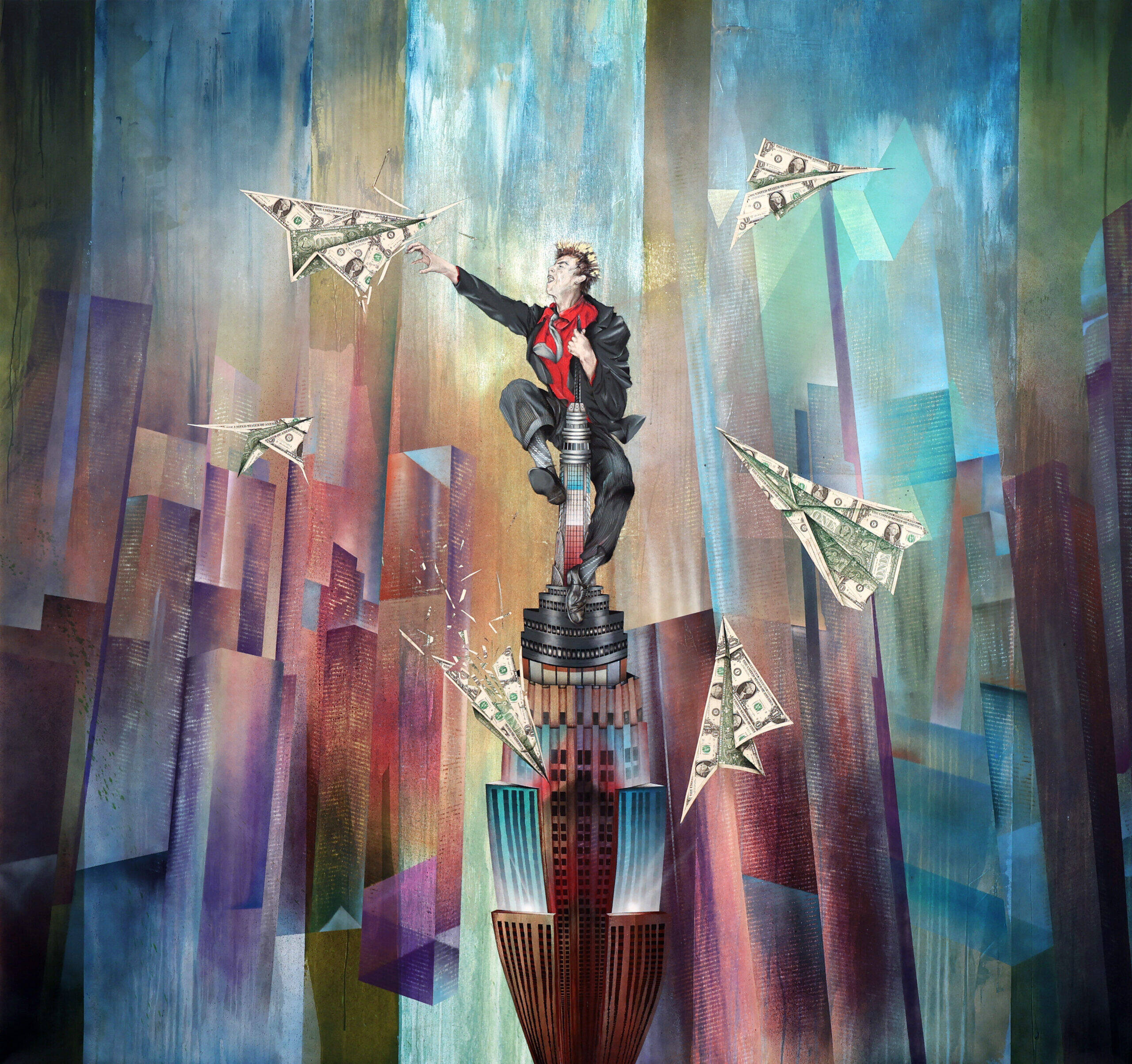
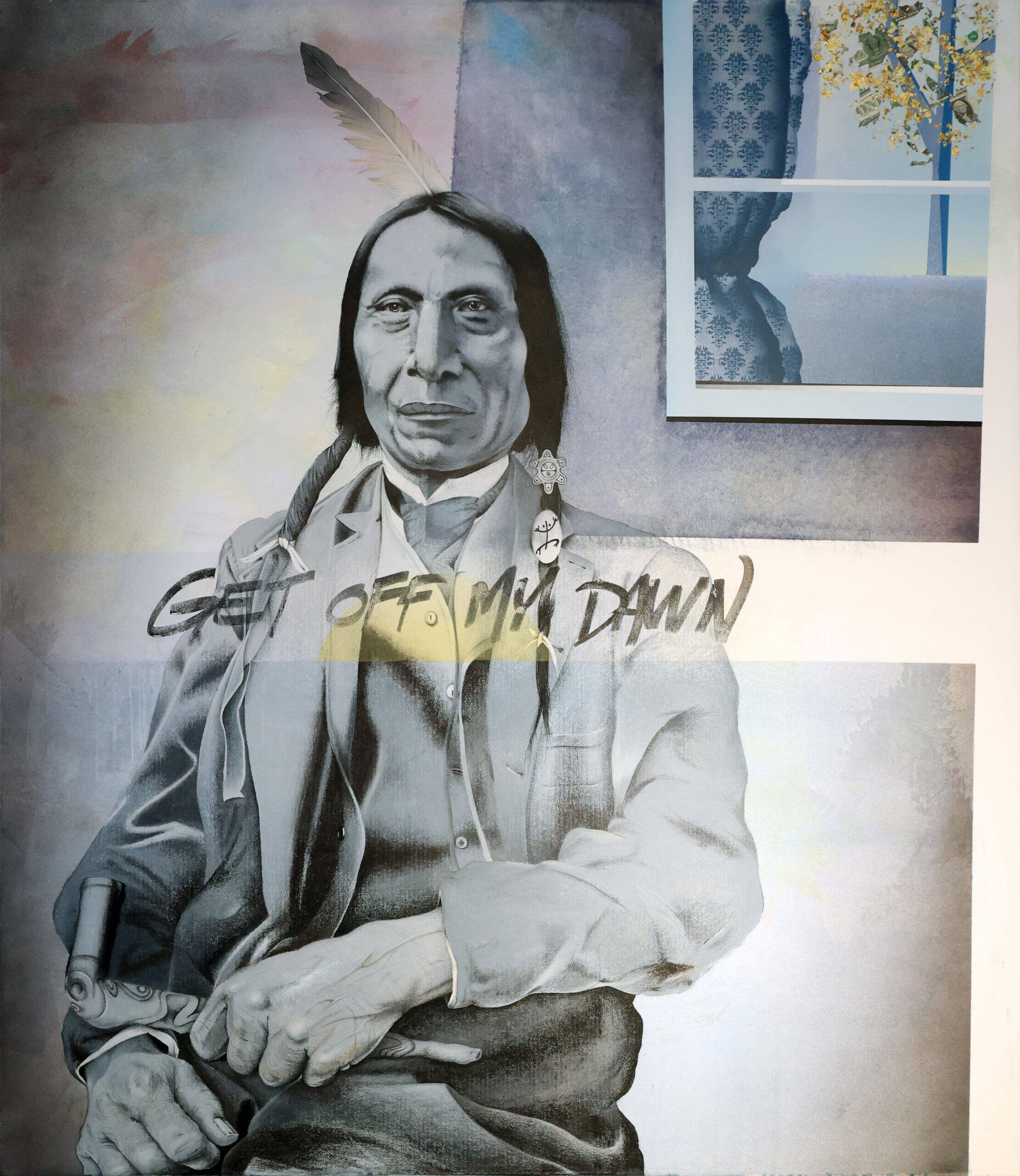
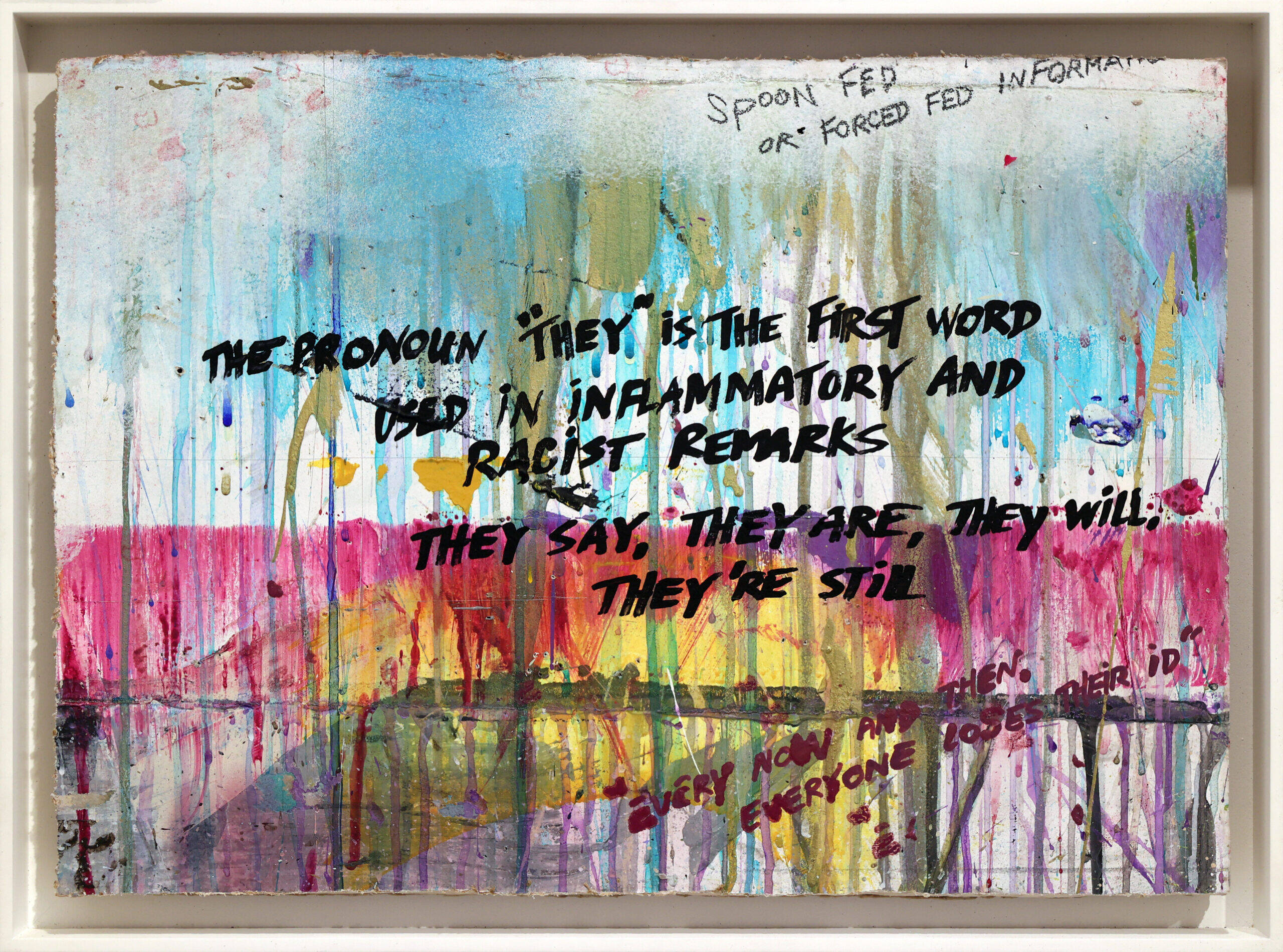
Acrylic, spray paint, pastel pencil, ink marker and printed matter on poly-cotton
68 x 59 in
172.72 x 149.86 cm
(LEEQ-030) Price on application
Acrylic, spray paint, pastel pencil, ink marker and printed matter on poly-cotton
68 x 59 in
172.72 x 149.86 cm
(LEEQ-030) Price on application
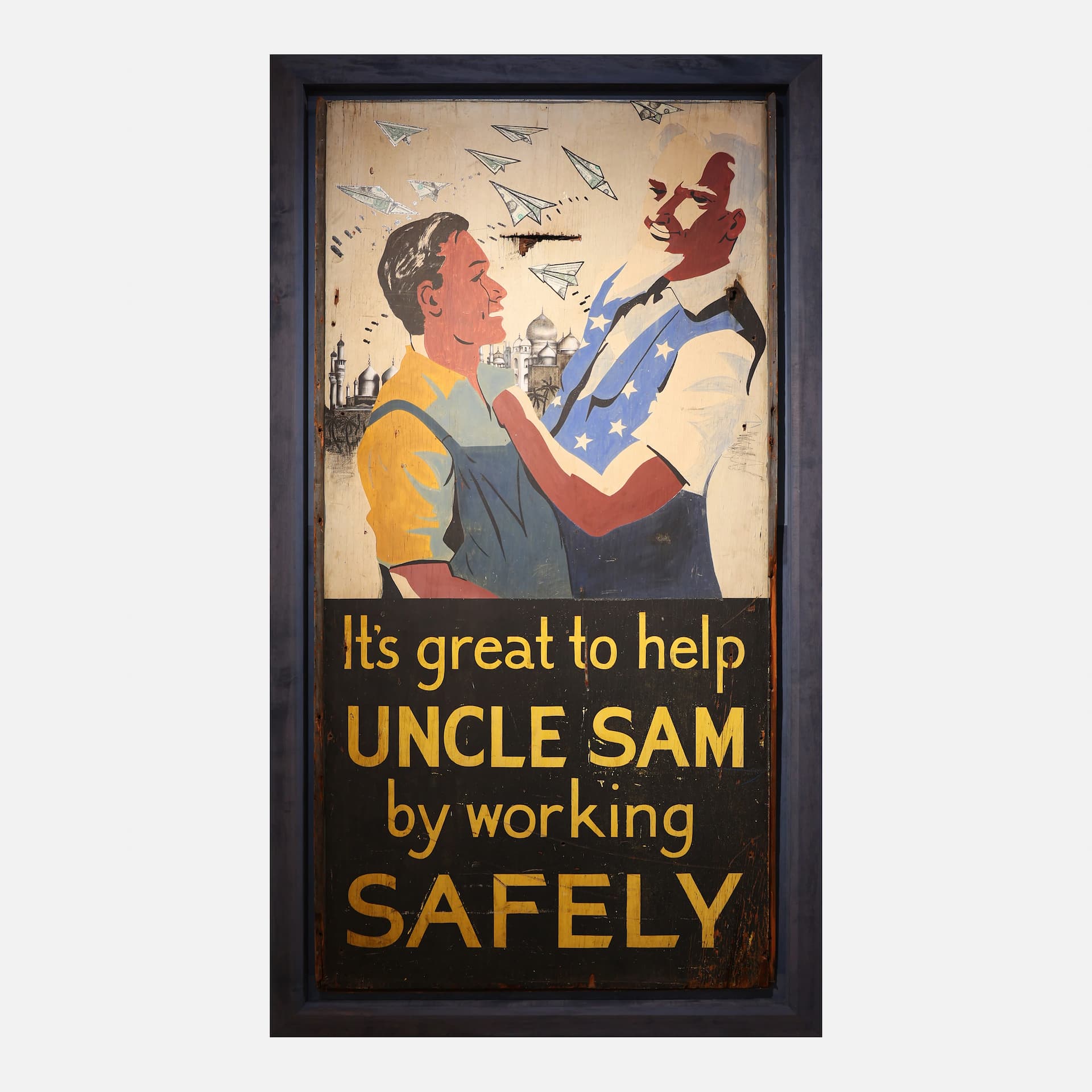
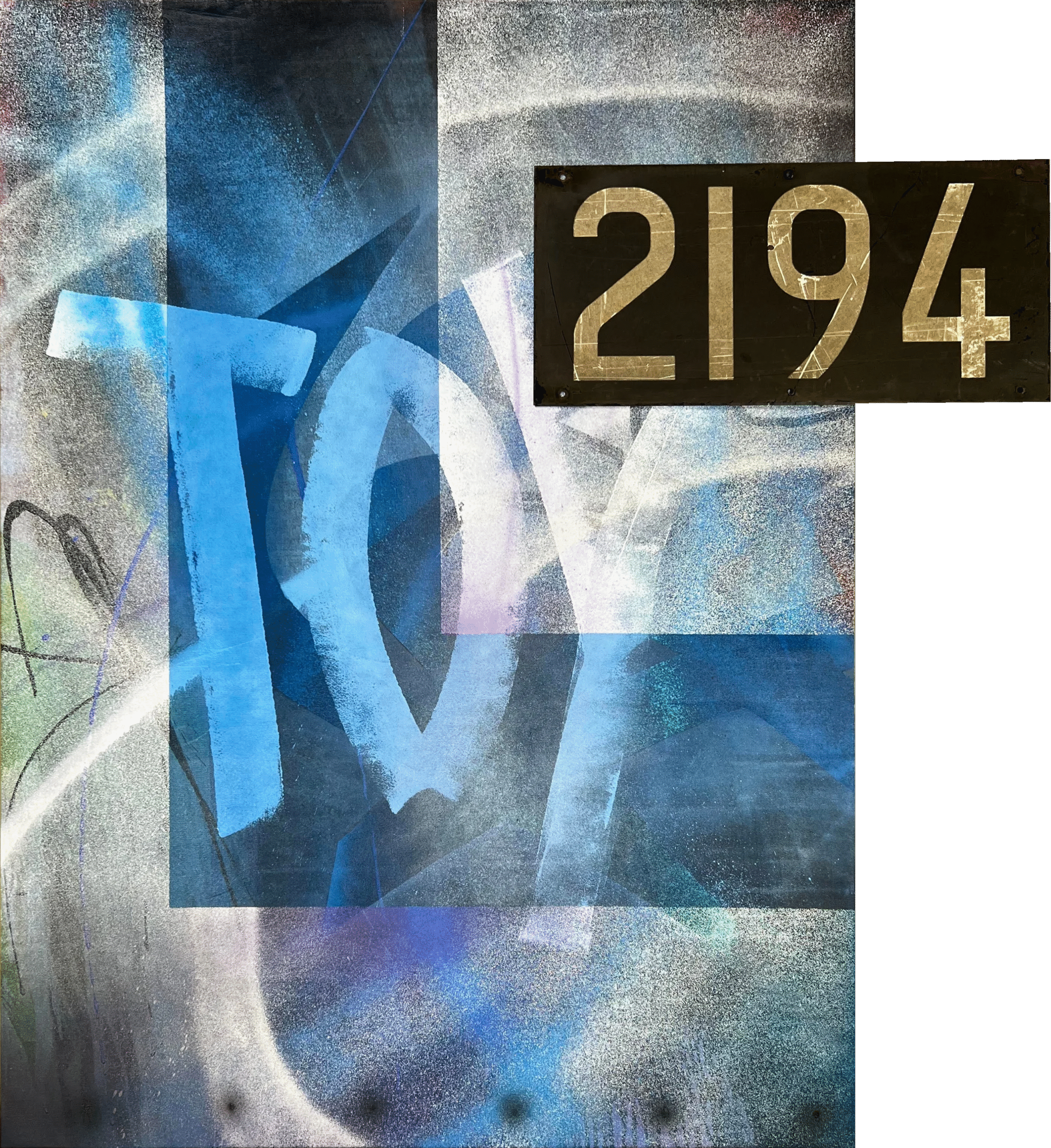
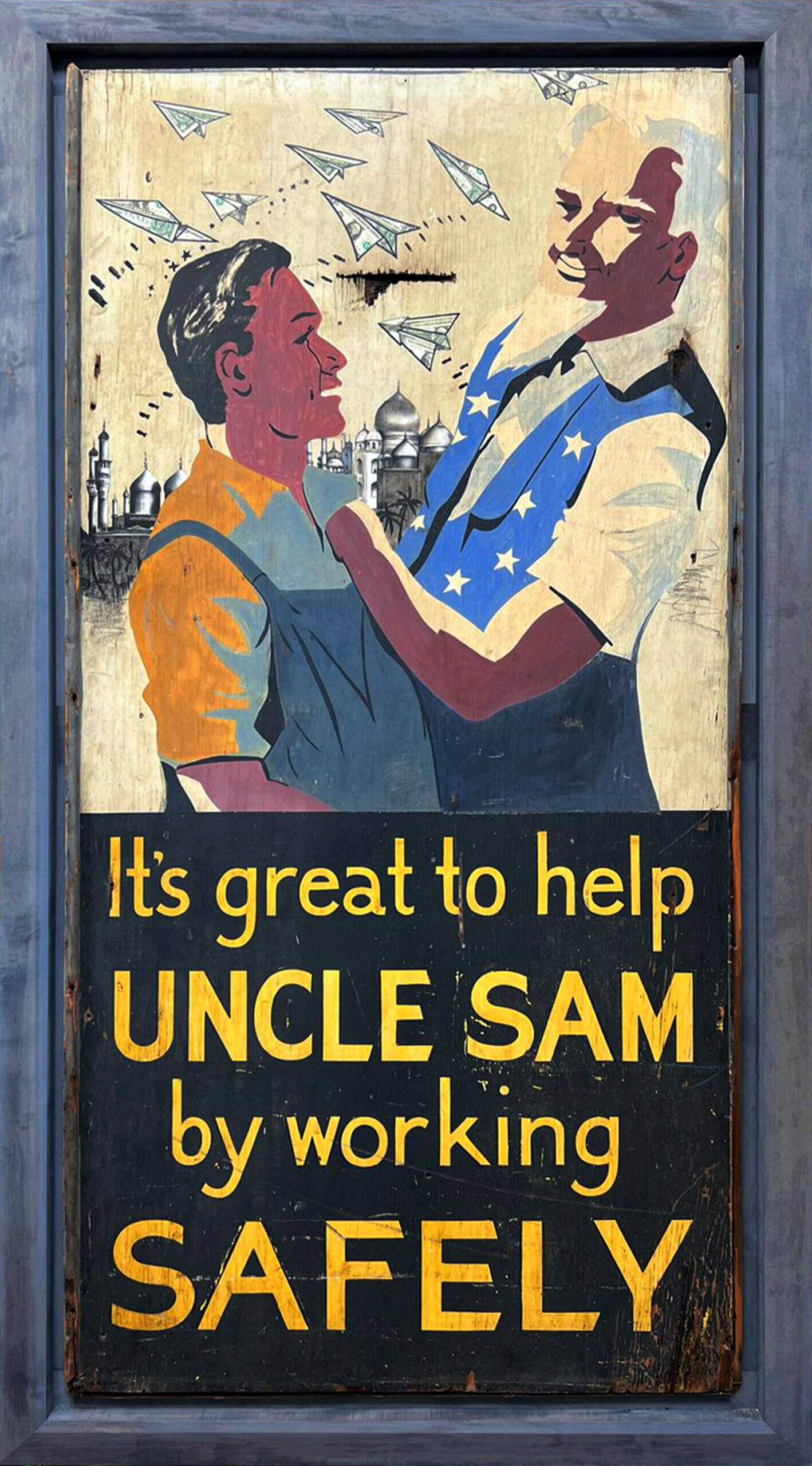
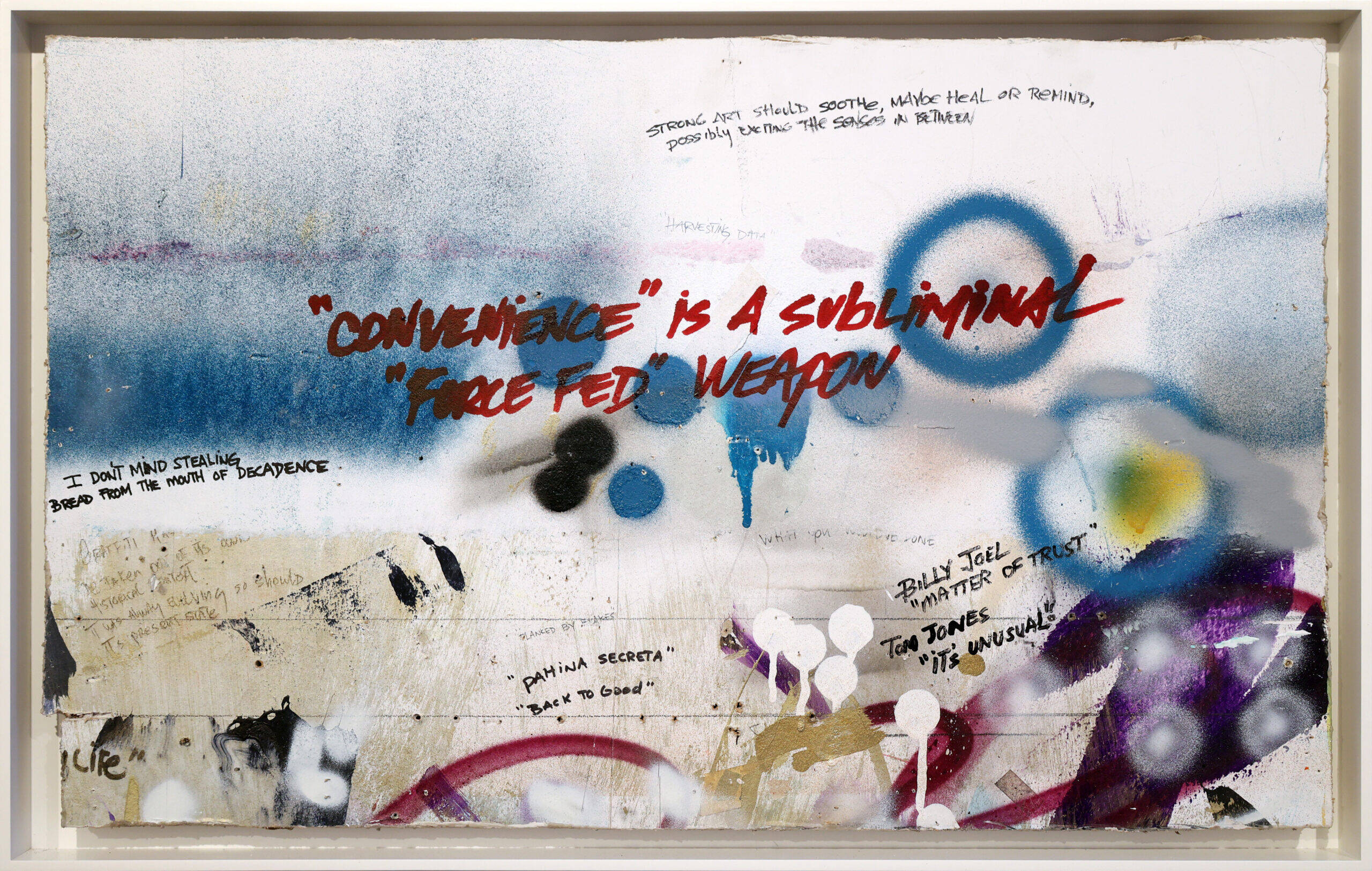
Enamel paint, charcoal, pastel pencil, paint marker and printed matter on US Navy issue woodboard
107 1/4 x 59 7/8 in
272.5 x 152 cm
(LEEQ-028) Price on application
Enamel paint, charcoal, pastel pencil, paint marker and printed matter on US Navy issue woodboard
107 1/4 x 59 7/8 in
272.5 x 152 cm
(LEEQ-028) Price on application
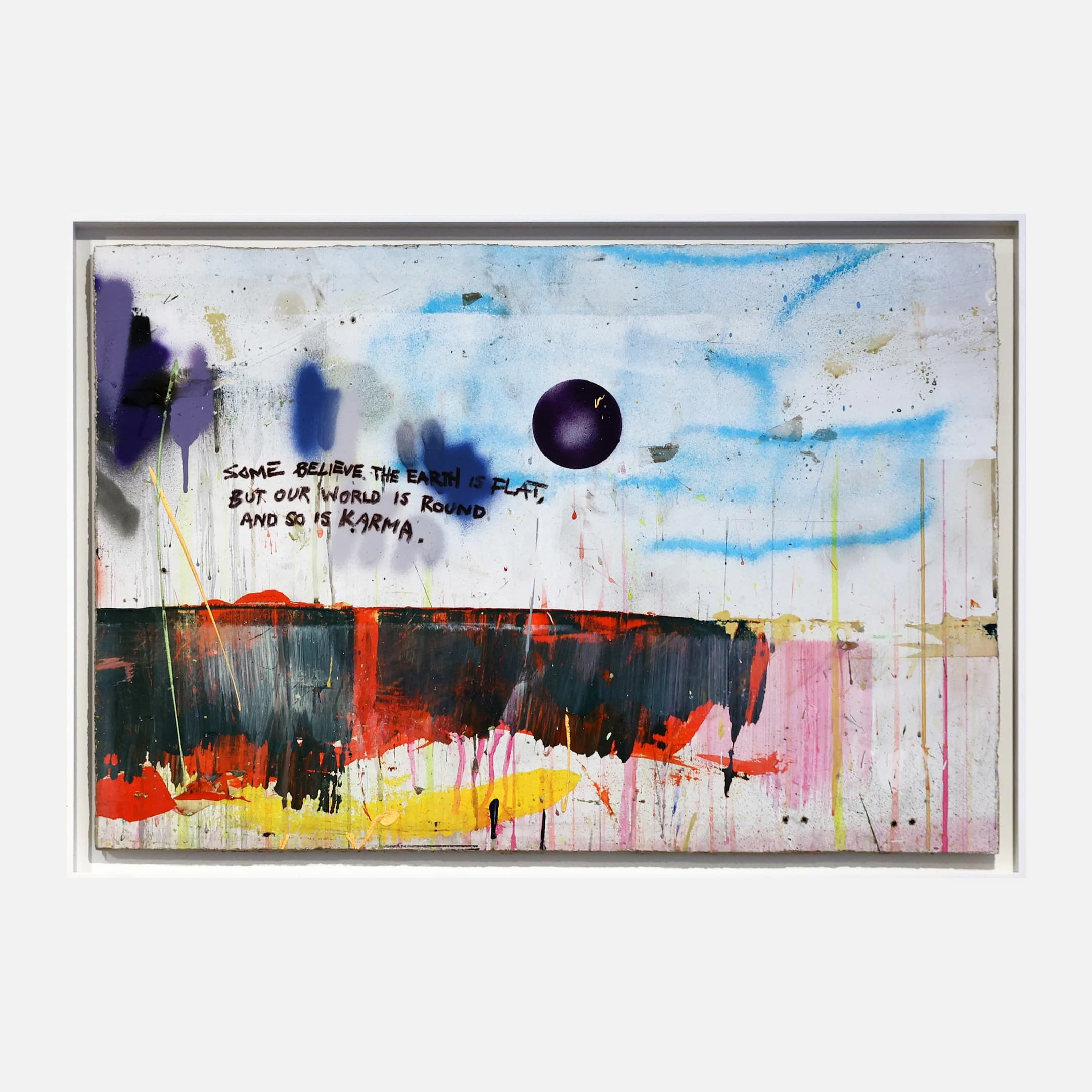
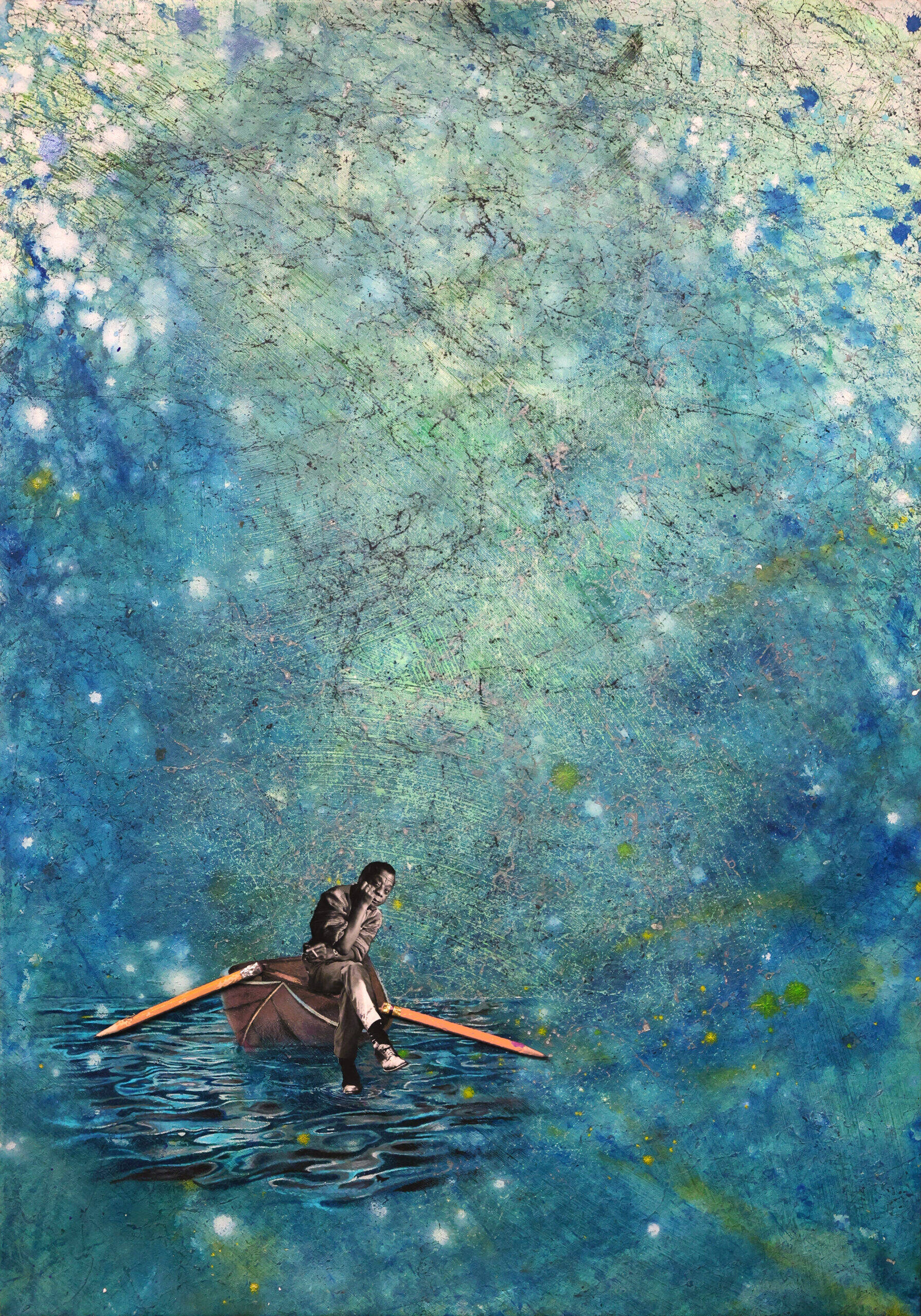
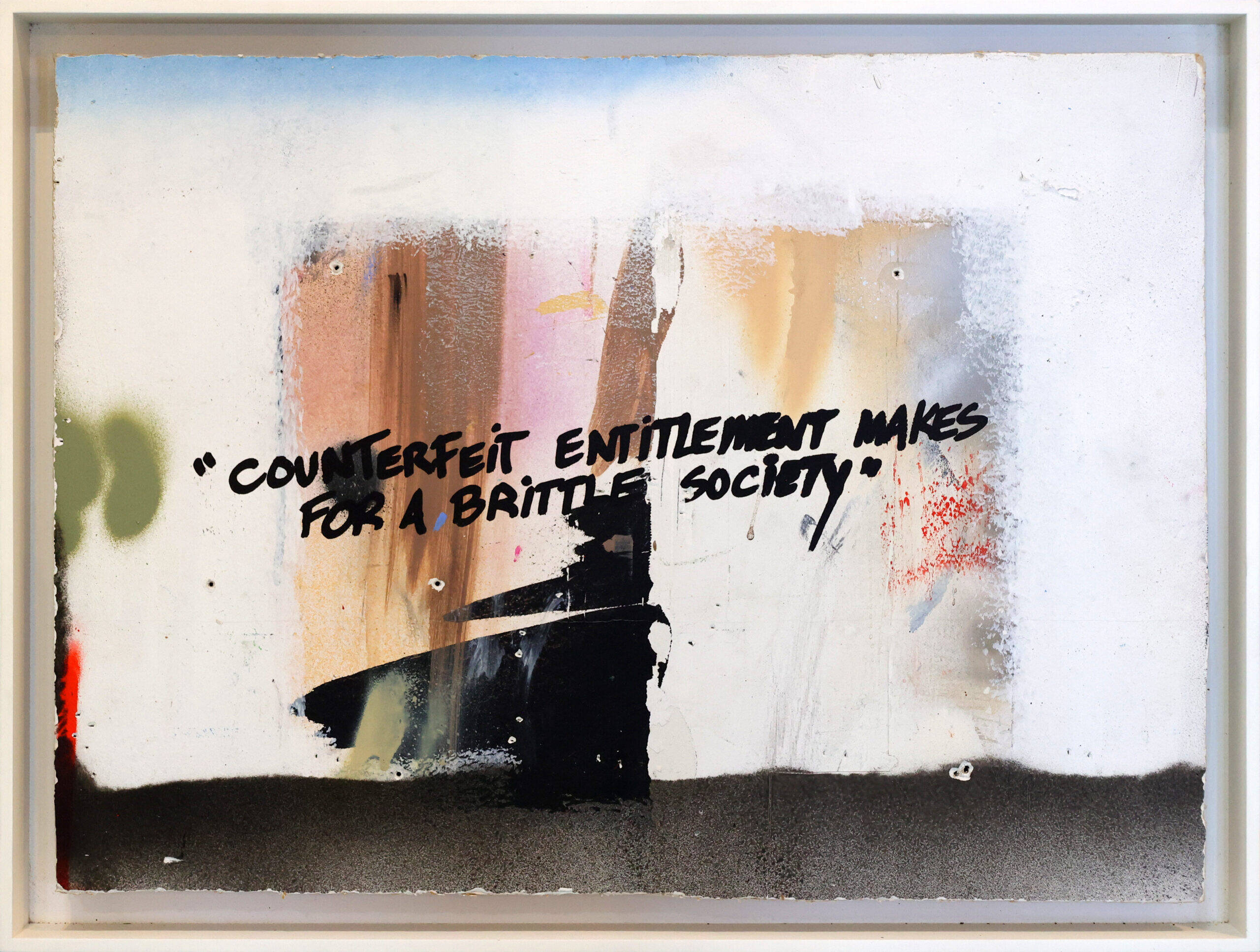
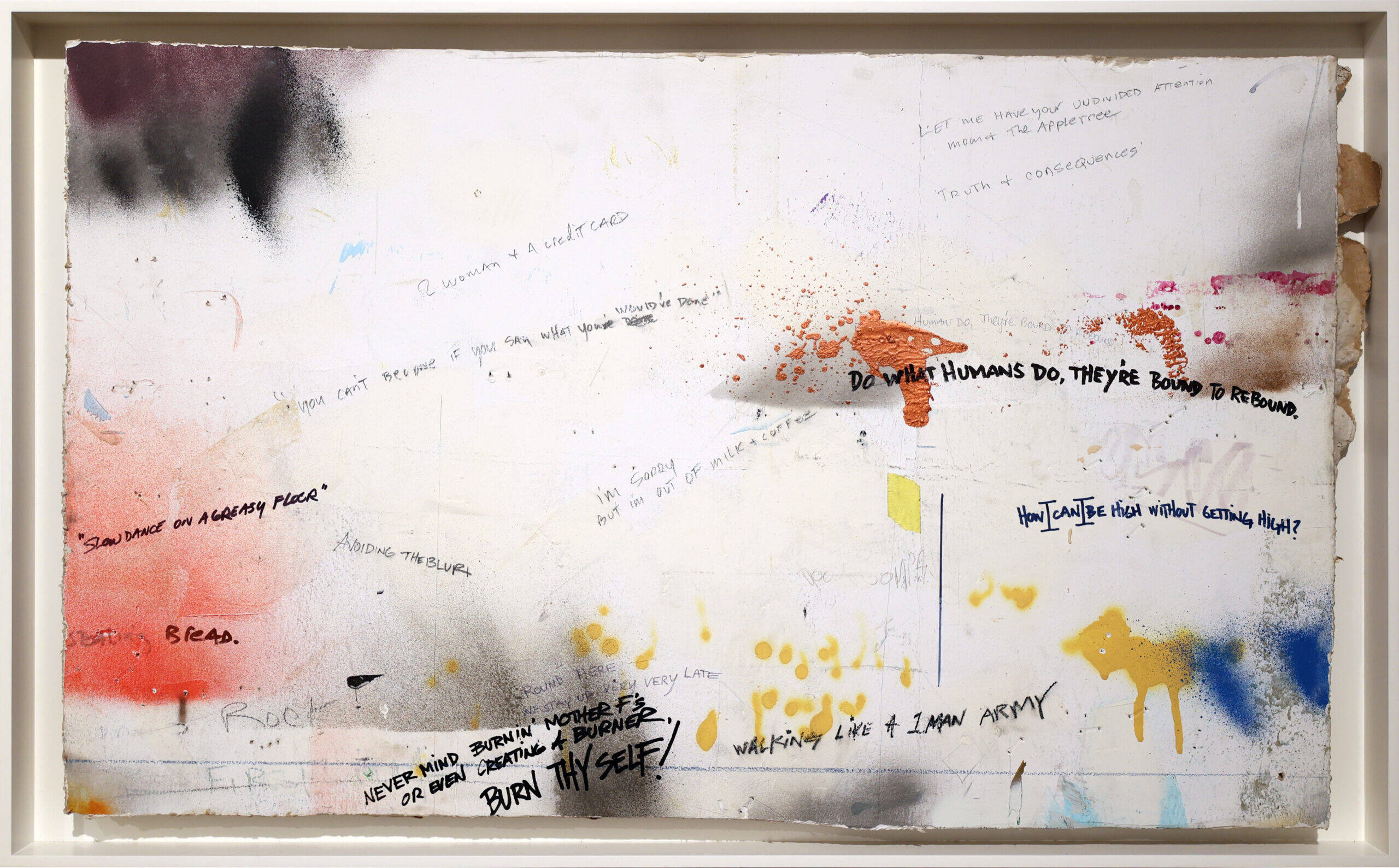
Acrylic, Spray paint, Paint marker on Gypsum panel
56.5cm x 81.7cm
(LEEQ-049) Price on application
Acrylic, Spray paint, Paint marker on Gypsum panel
56.5cm x 81.7cm
(LEEQ-049) Price on application
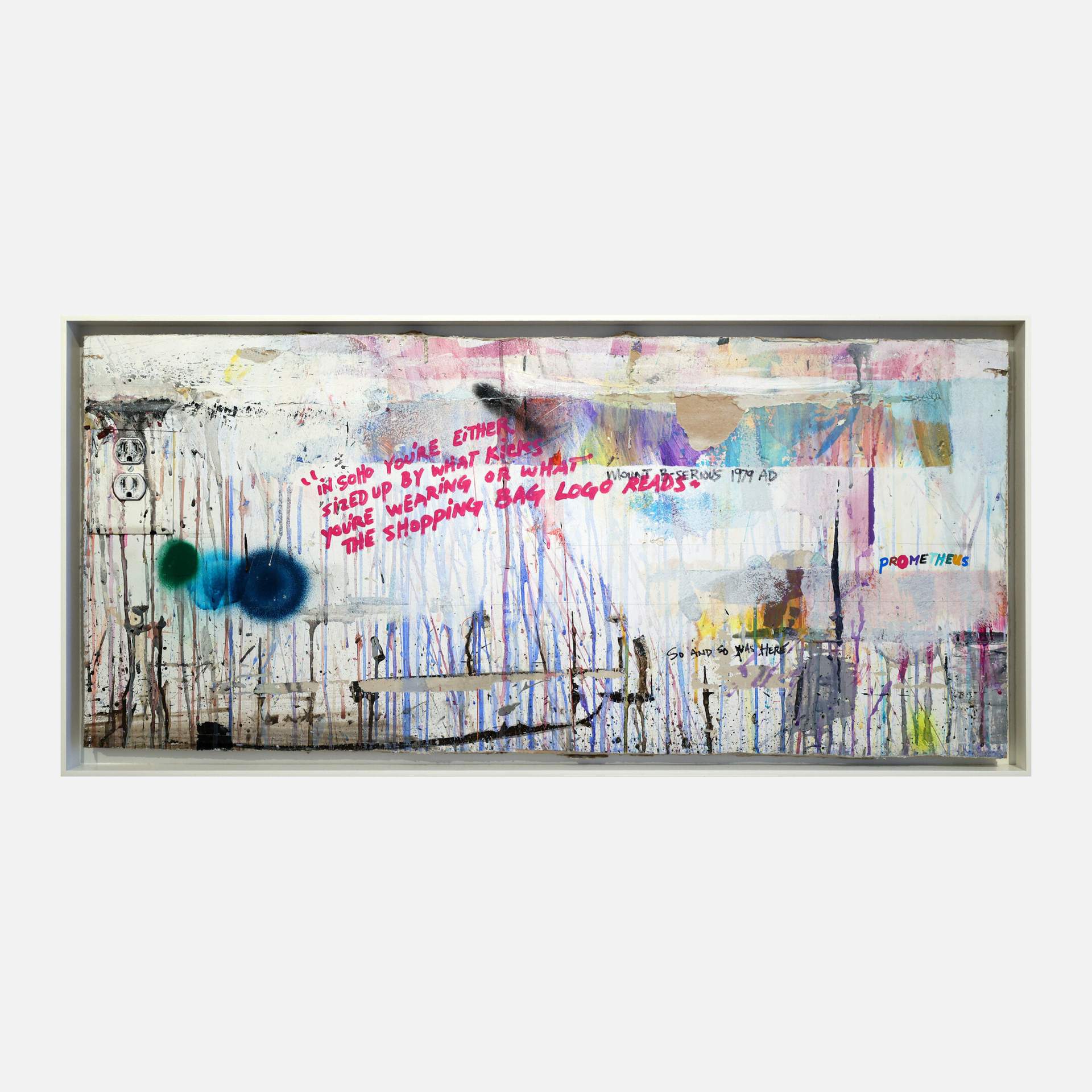
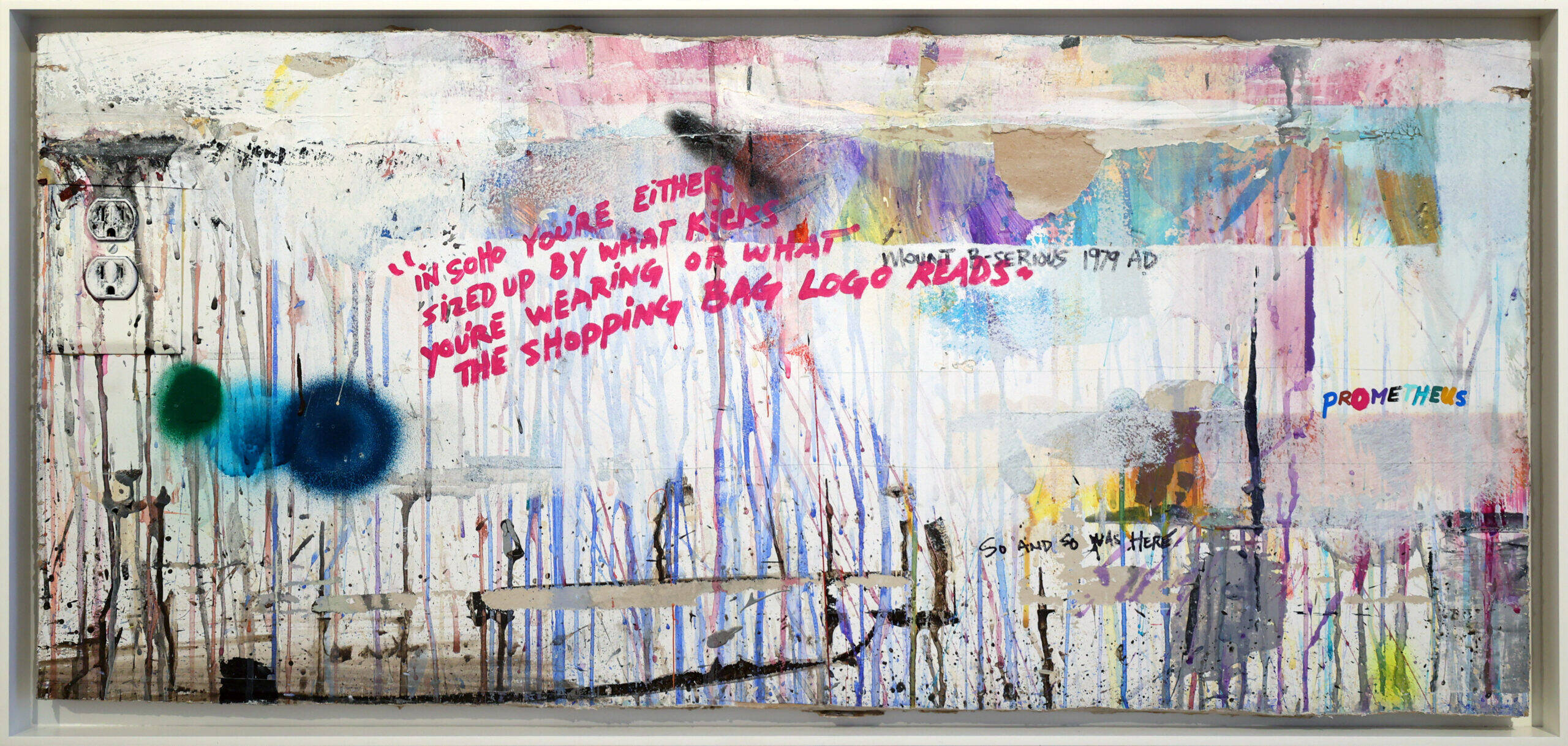
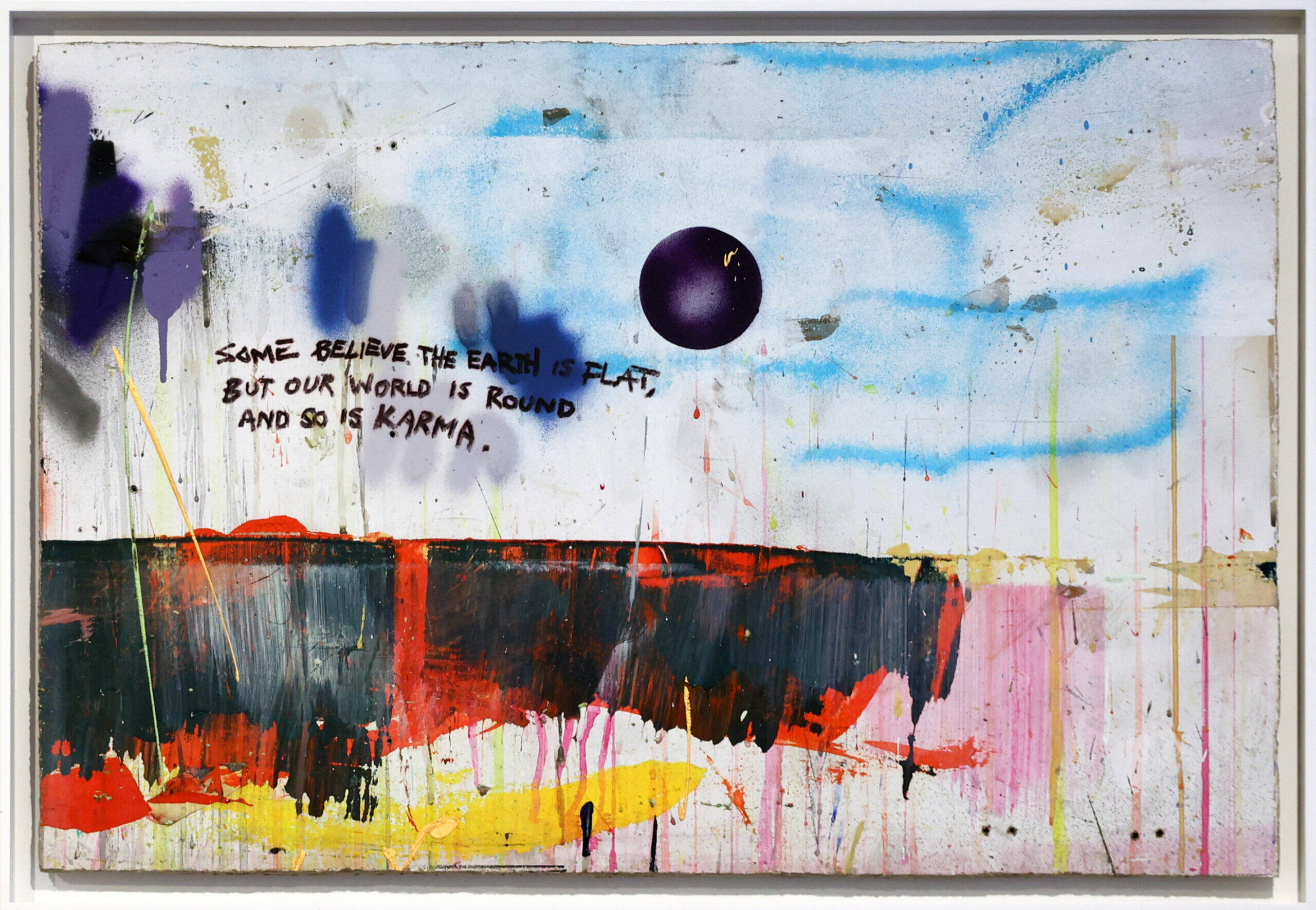
Acrylic, Spray paint, Paint marker and Ink on Gypsum panel
18 1/2 x 29 3/4 in
47 x 75.6 cm
(LEEQ-039) Price on application
Acrylic, Spray paint, Paint marker and Ink on Gypsum panel
18 1/2 x 29 3/4 in
47 x 75.6 cm
(LEEQ-039) Price on application
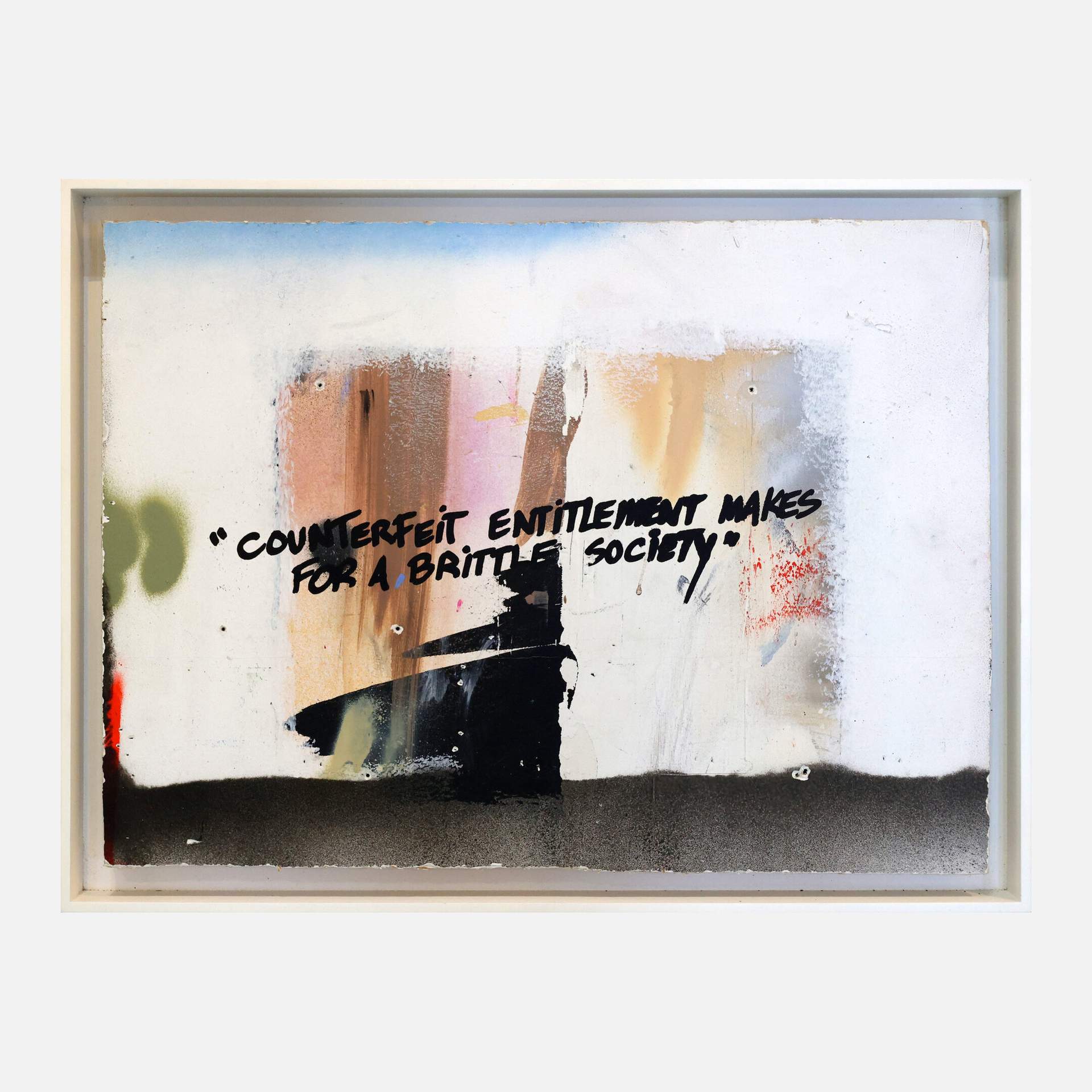
Acrylic, Spray paint and Ink on Gypsum panel
15 x 21 in
38.1 x 53.3 cm
(LEEQ-038) Price on application
Acrylic, Spray paint and Ink on Gypsum panel
15 x 21 in
38.1 x 53.3 cm
(LEEQ-038) Price on application
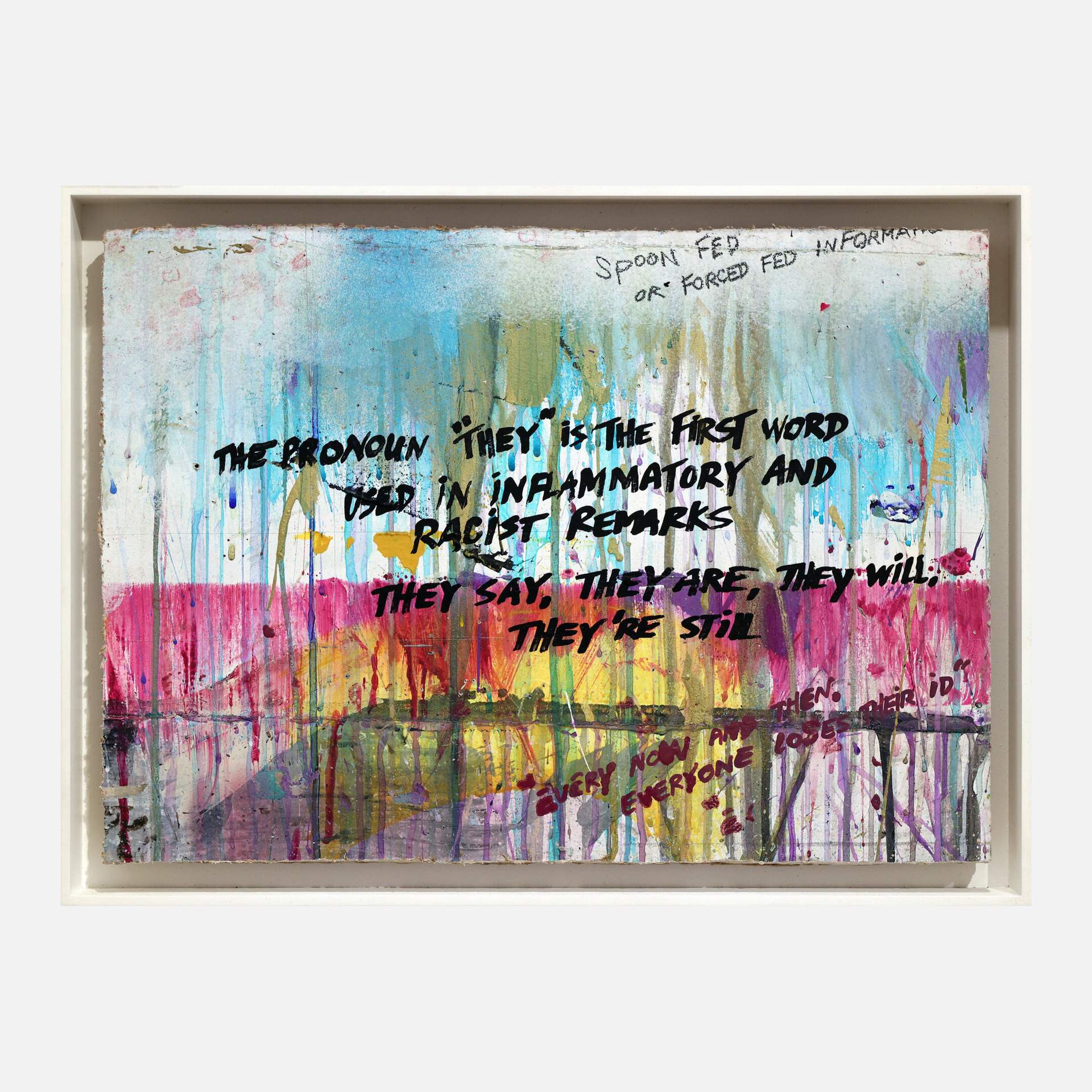
Acrylic, spray paint, paint marker, ink marker and pencil on gypsum board
42.5cm x 57cm
(LEEQ-032) Price on application
Acrylic, spray paint, paint marker, ink marker and pencil on gypsum board
42.5cm x 57cm
(LEEQ-032) Price on application
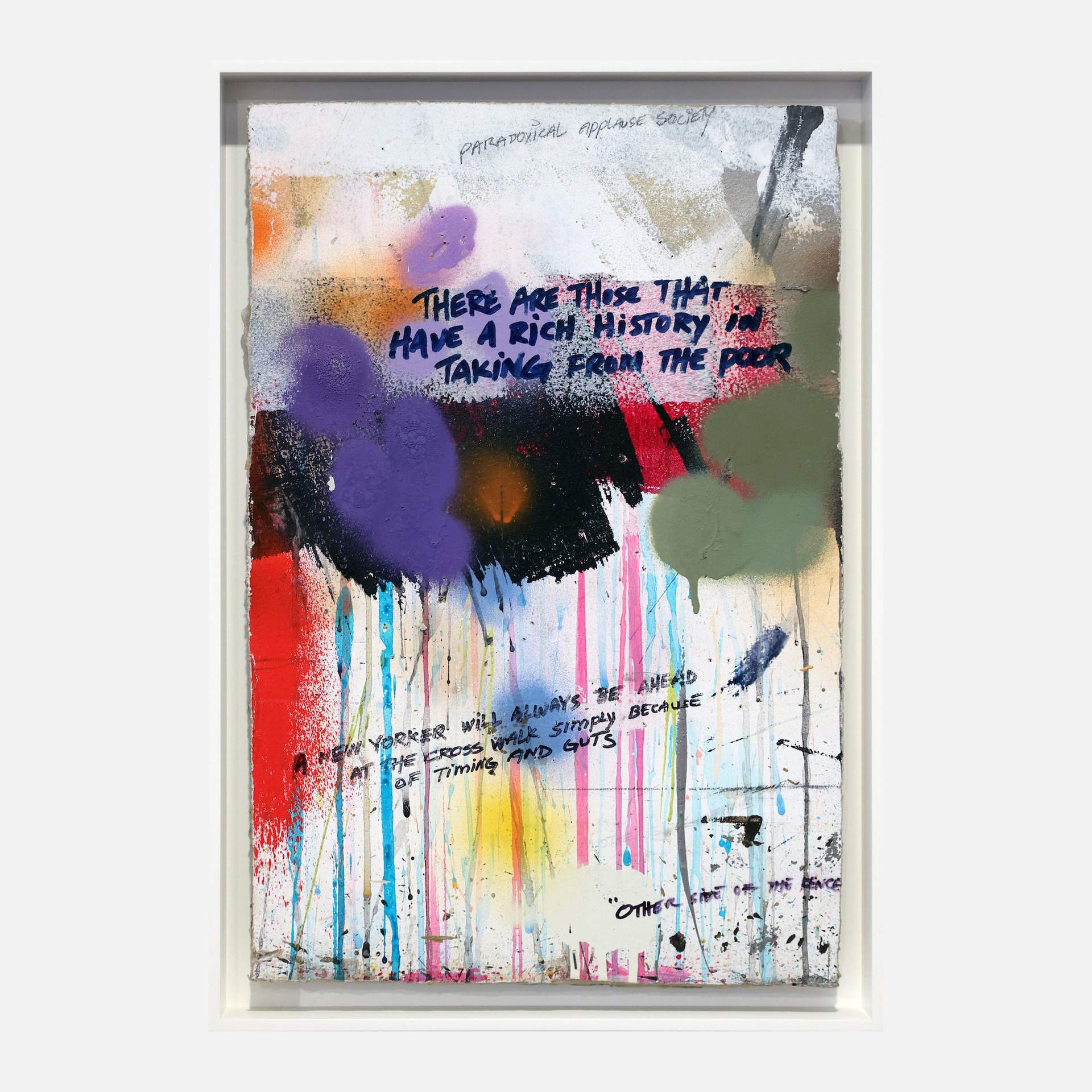
Acrylic, spray paint, paint marker and pencil on gypsum board
19 x 12 1/2 in
48.3 x 31.8 cm
(LEEQ-031) Price on application
Acrylic, spray paint, paint marker and pencil on gypsum board
19 x 12 1/2 in
48.3 x 31.8 cm
(LEEQ-031) Price on application
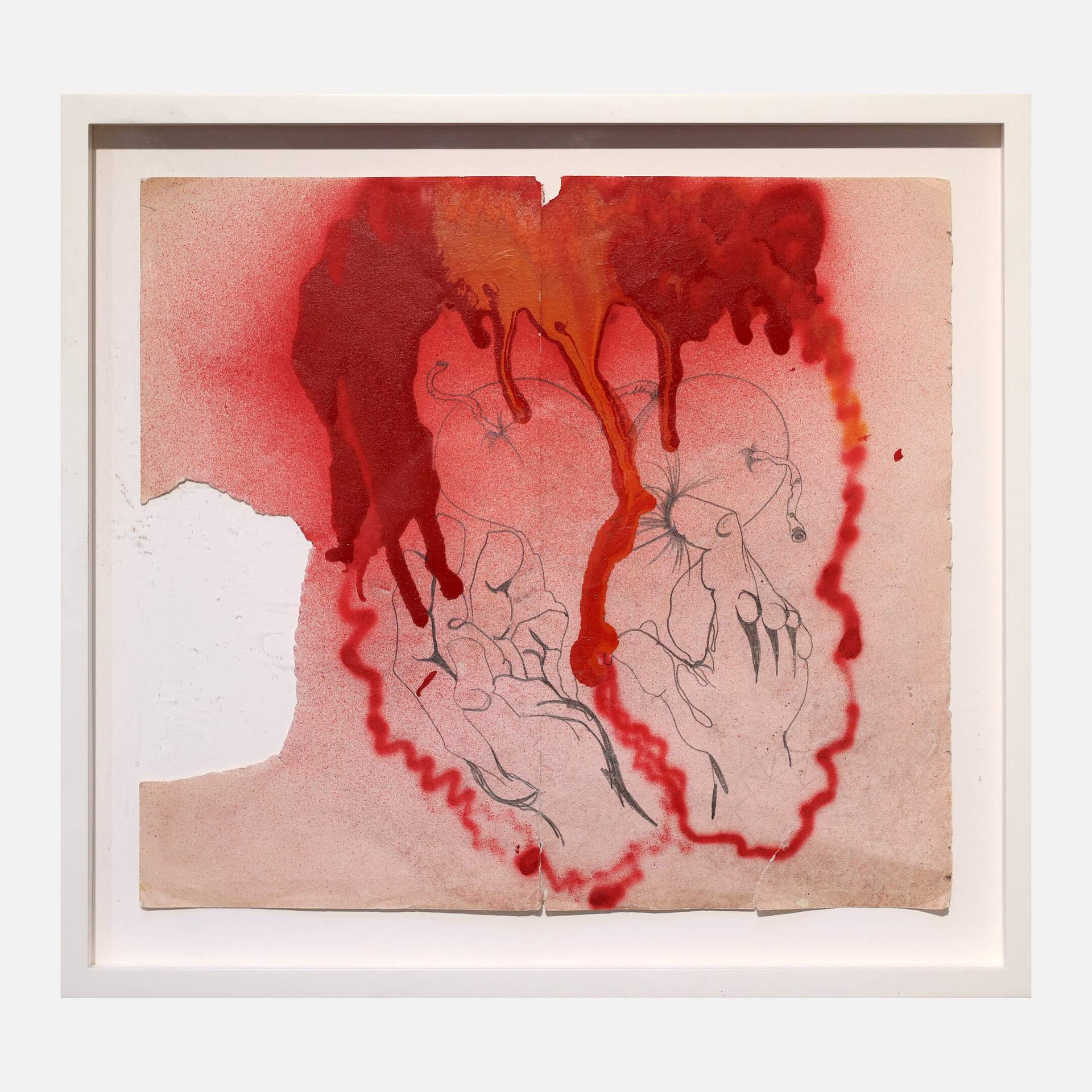
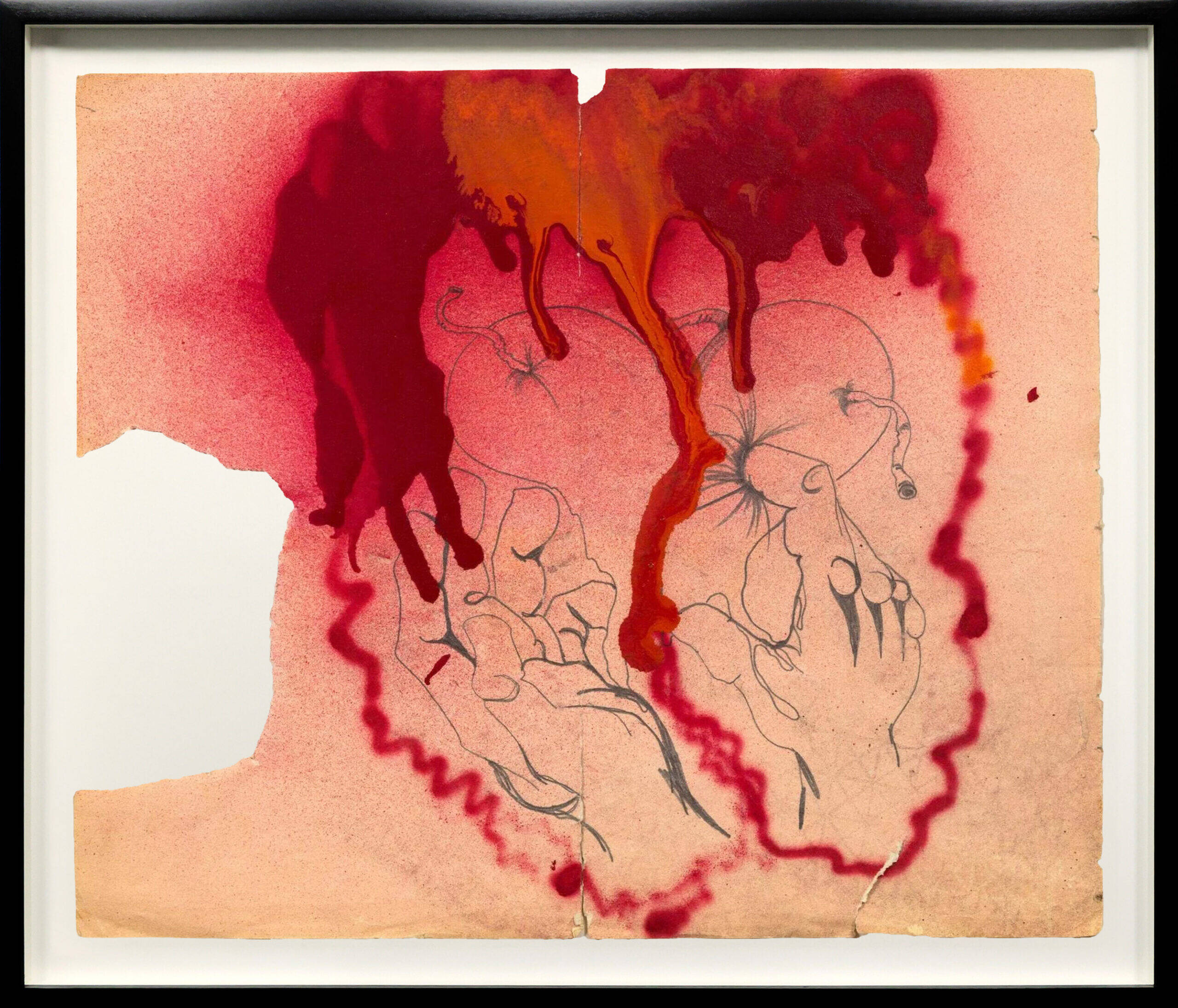
Spray paint and Graphite pencil on Arches paper
12 x 14 1/2 in
30.5 x 36.8 cm
(LEEQ-026) Price on application
Spray paint and Graphite pencil on Arches paper
12 x 14 1/2 in
30.5 x 36.8 cm
(LEEQ-026) Price on application
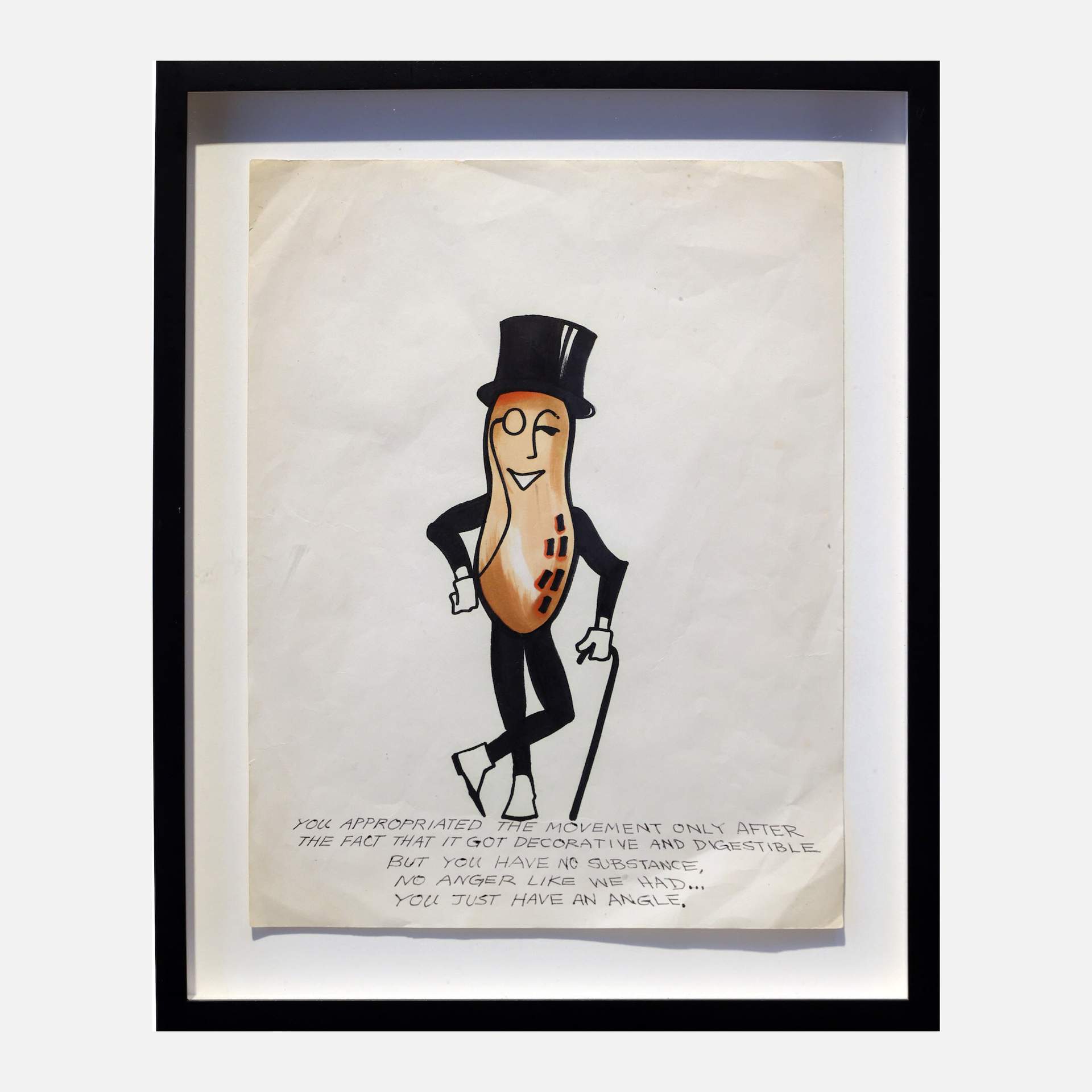
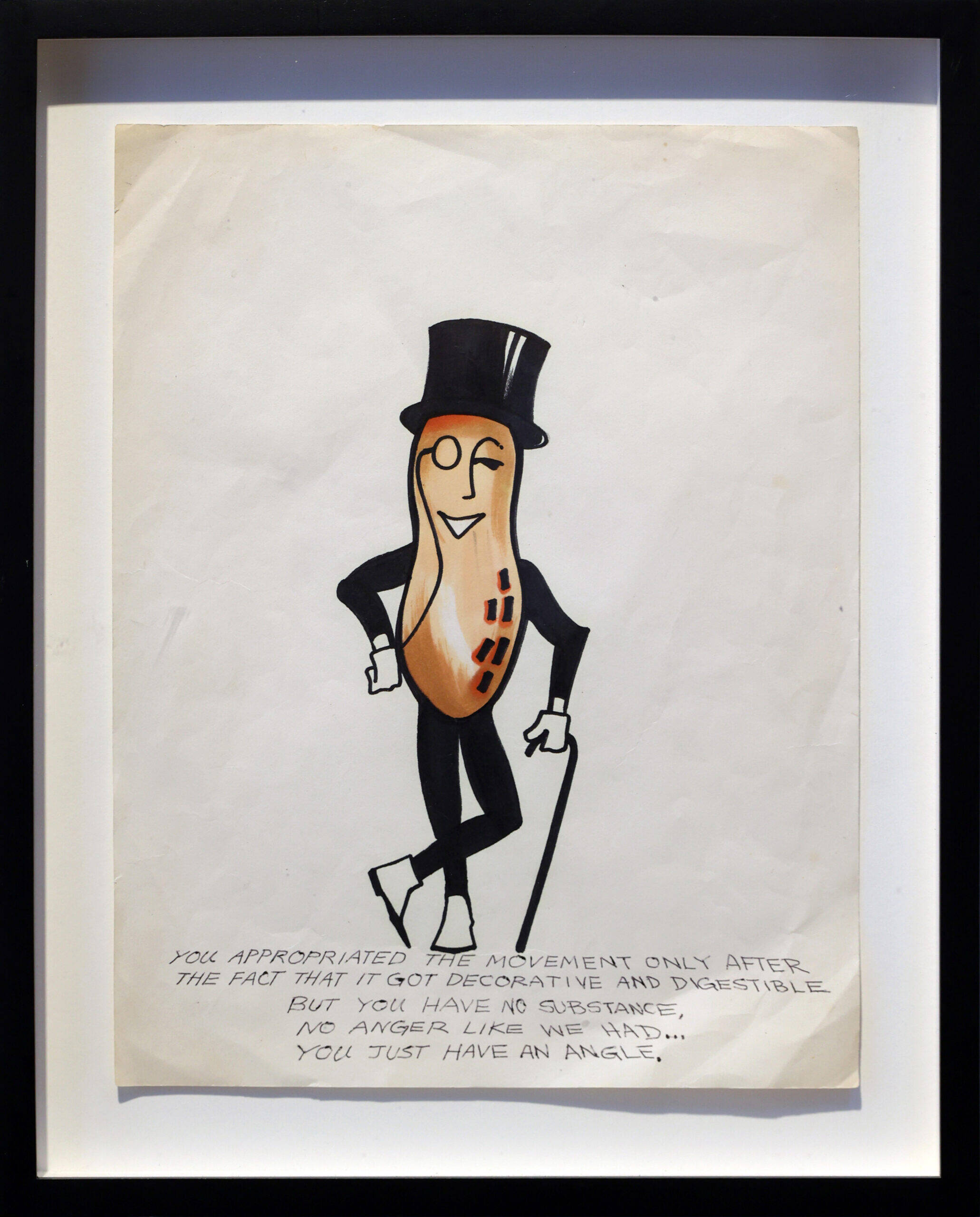
Alcohol marker and Ink pen on paper
11 x 8 1/2 in
27.9 x 21.6 cm
(LEEQ-022) Price on application
Alcohol marker and Ink pen on paper
11 x 8 1/2 in
27.9 x 21.6 cm
(LEEQ-022) Price on application
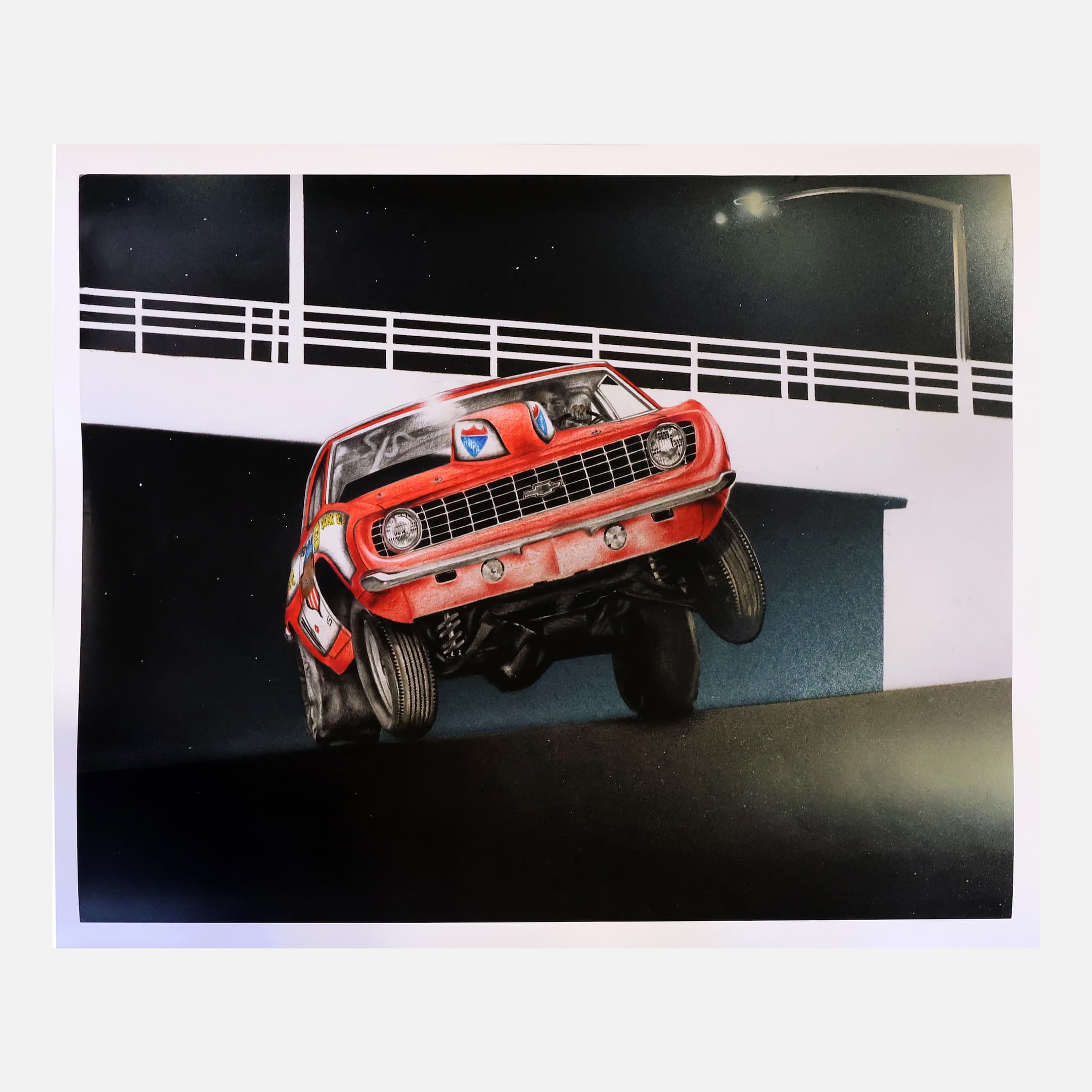
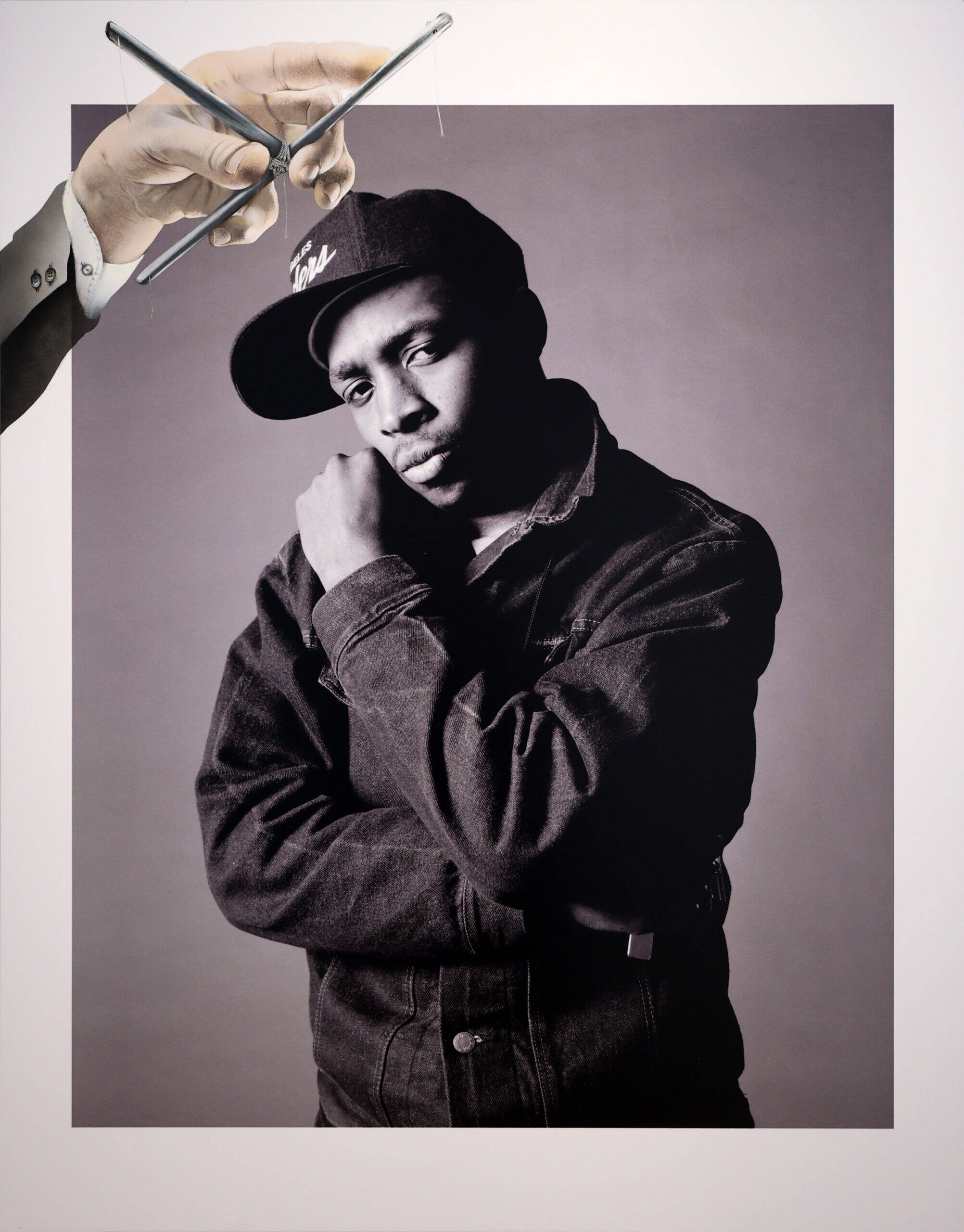
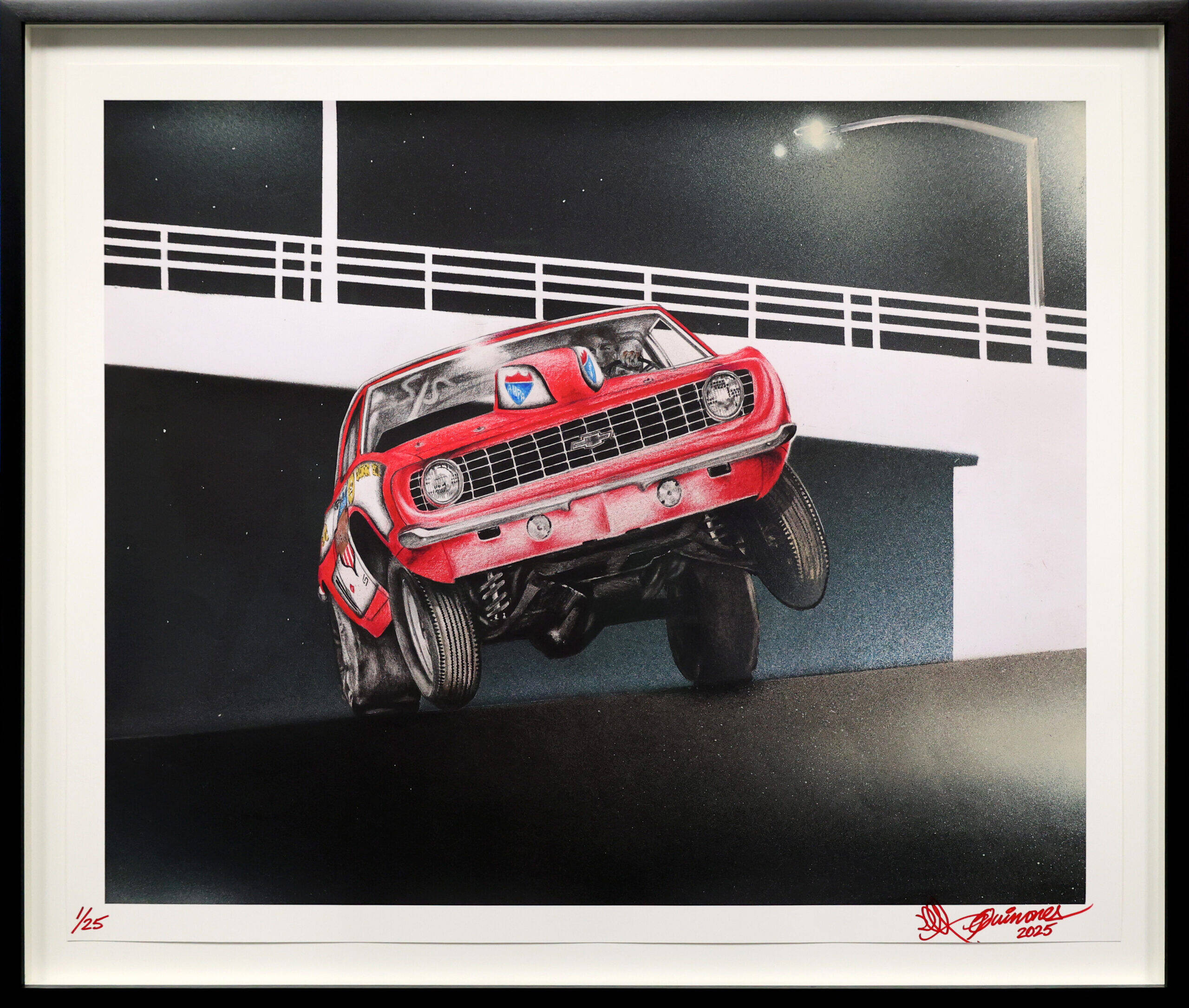
Archival pigment print on Epson Hot Press Bright 330 GSM paper.
24″ X 29.5″
Edition of 25
(LEEQ-MC-05) Price on application
Archival pigment print on Epson Hot Press Bright 330 GSM paper.
24″ X 29.5″
Edition of 25
(LEEQ-MC-05) Price on application
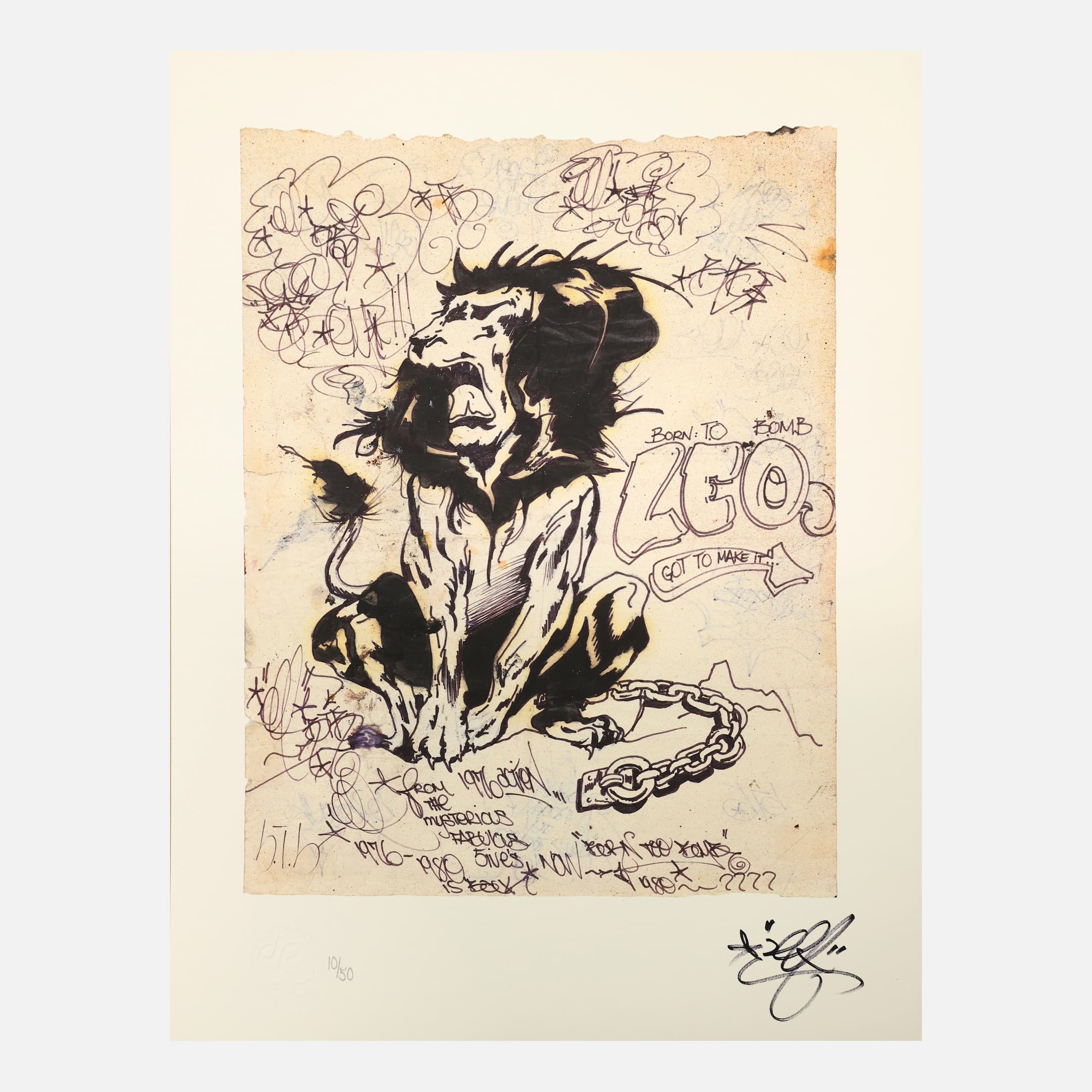
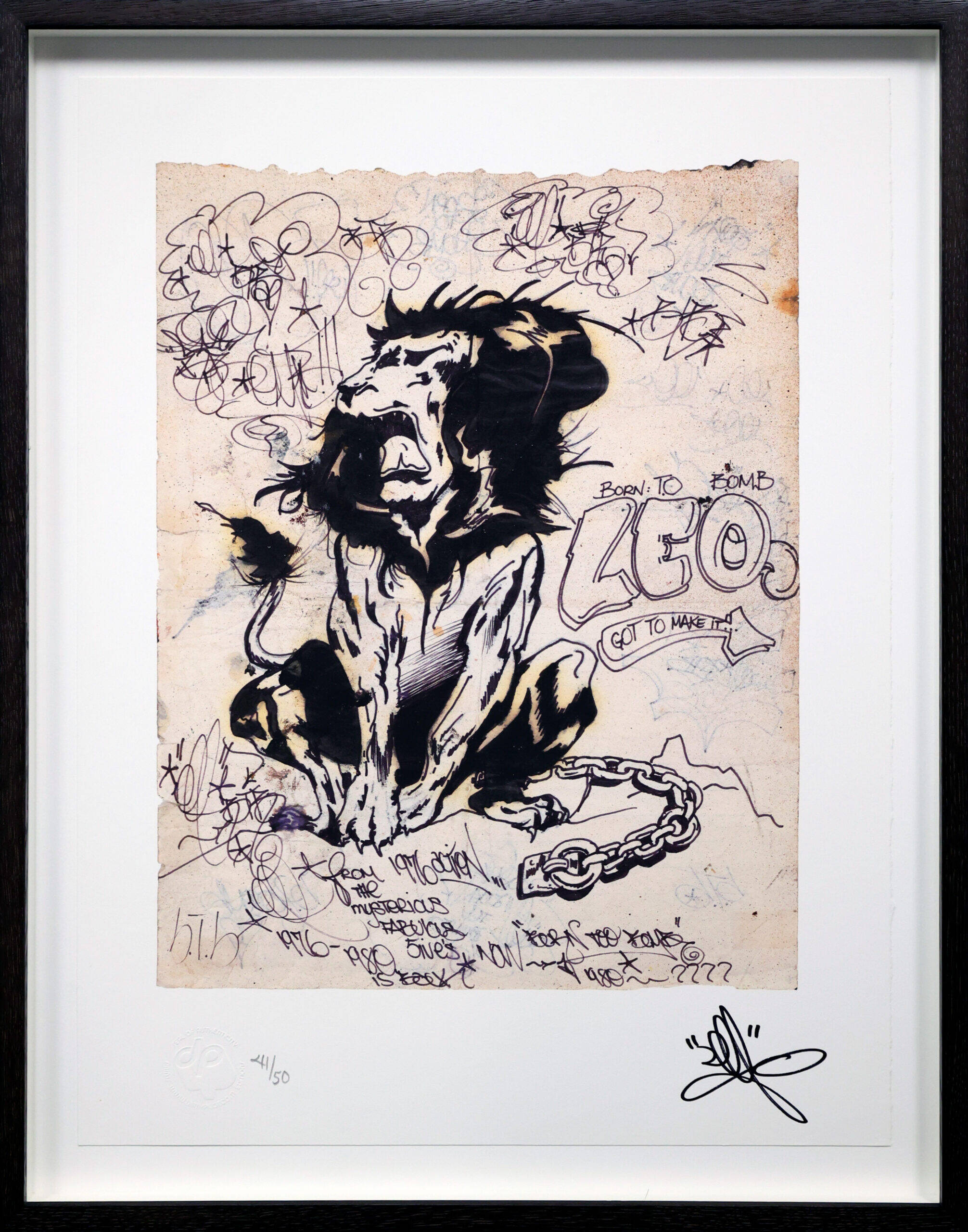
Archival pigment print on Epson Hot Press Bright 330 GSM paper.
19.5″ X 15″
Edition of 50
(LEEQ-LD-46) Price on application
Archival pigment print on Epson Hot Press Bright 330 GSM paper.
19.5″ X 15″
Edition of 50
(LEEQ-LD-46) Price on application
Contact our Art Advisors
Lee Quiñones Artist Profile Download
Lee Quiñones is widely regarded as one of the most influential artists to emerge from the New York City subway art movement. Born in Ponce, Puerto Rico and raised on Manhattan’s Lower East Side, Quiñones began painting entire subway cars in the 1970s, transforming the city’s transit system into a moving gallery. His work combined social commentary with bold composition, helping to elevate graffiti from underground expression to internationally recognised contemporary art.
Read more“A veteran of the graffiti wars… who helped bring street art out of the subways and into museums.”
The New York Times
Exhibitions